


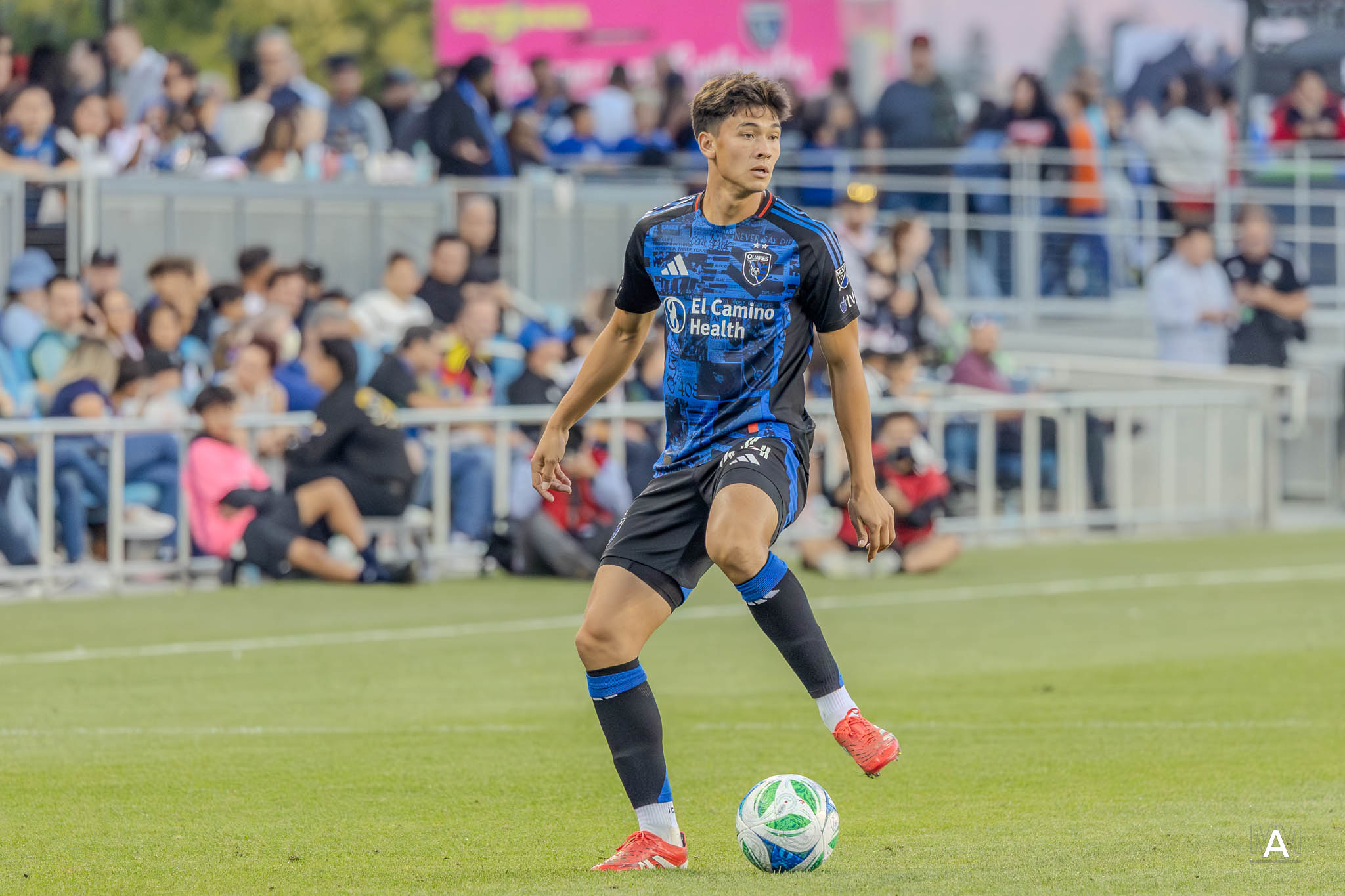
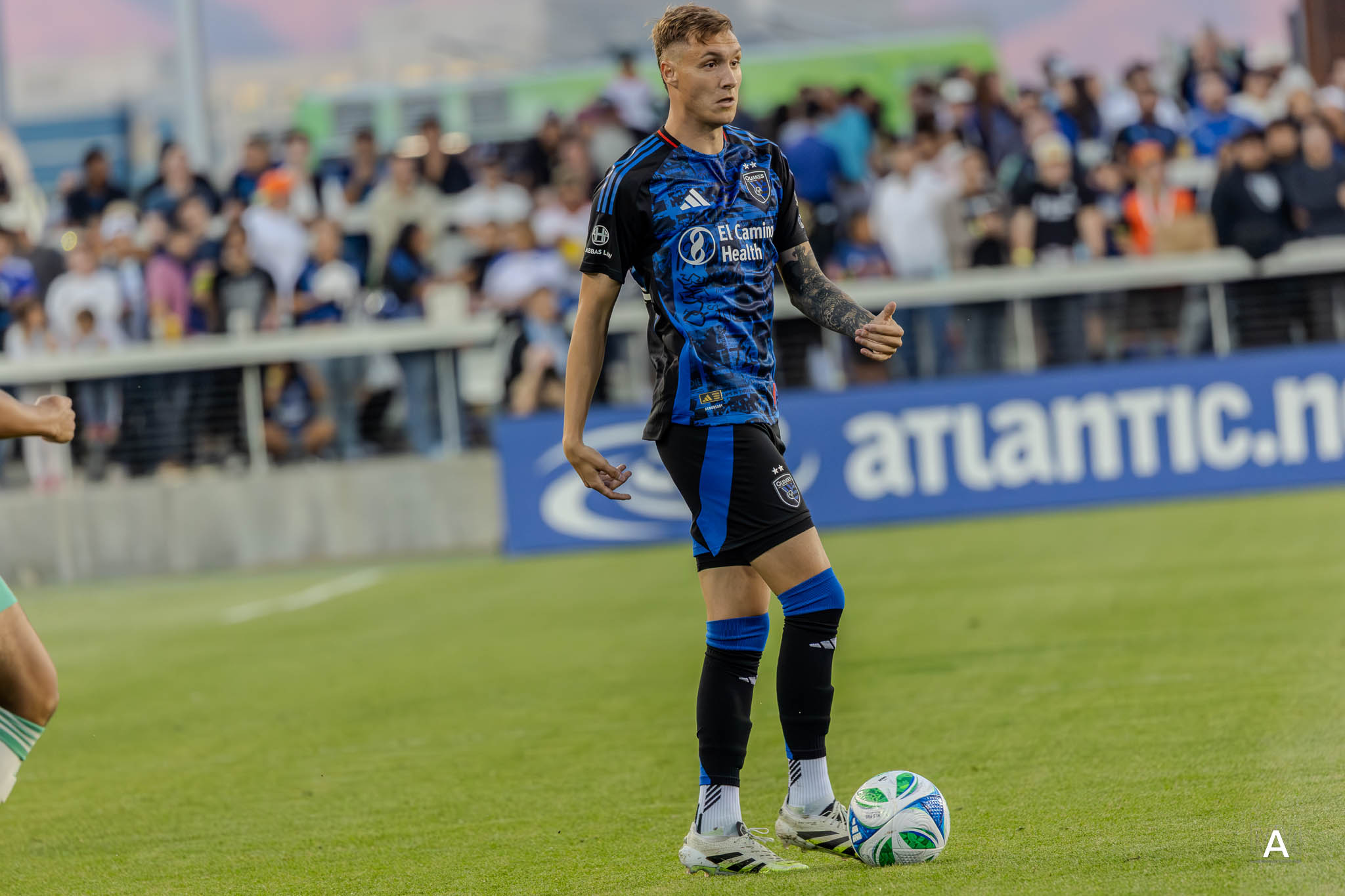
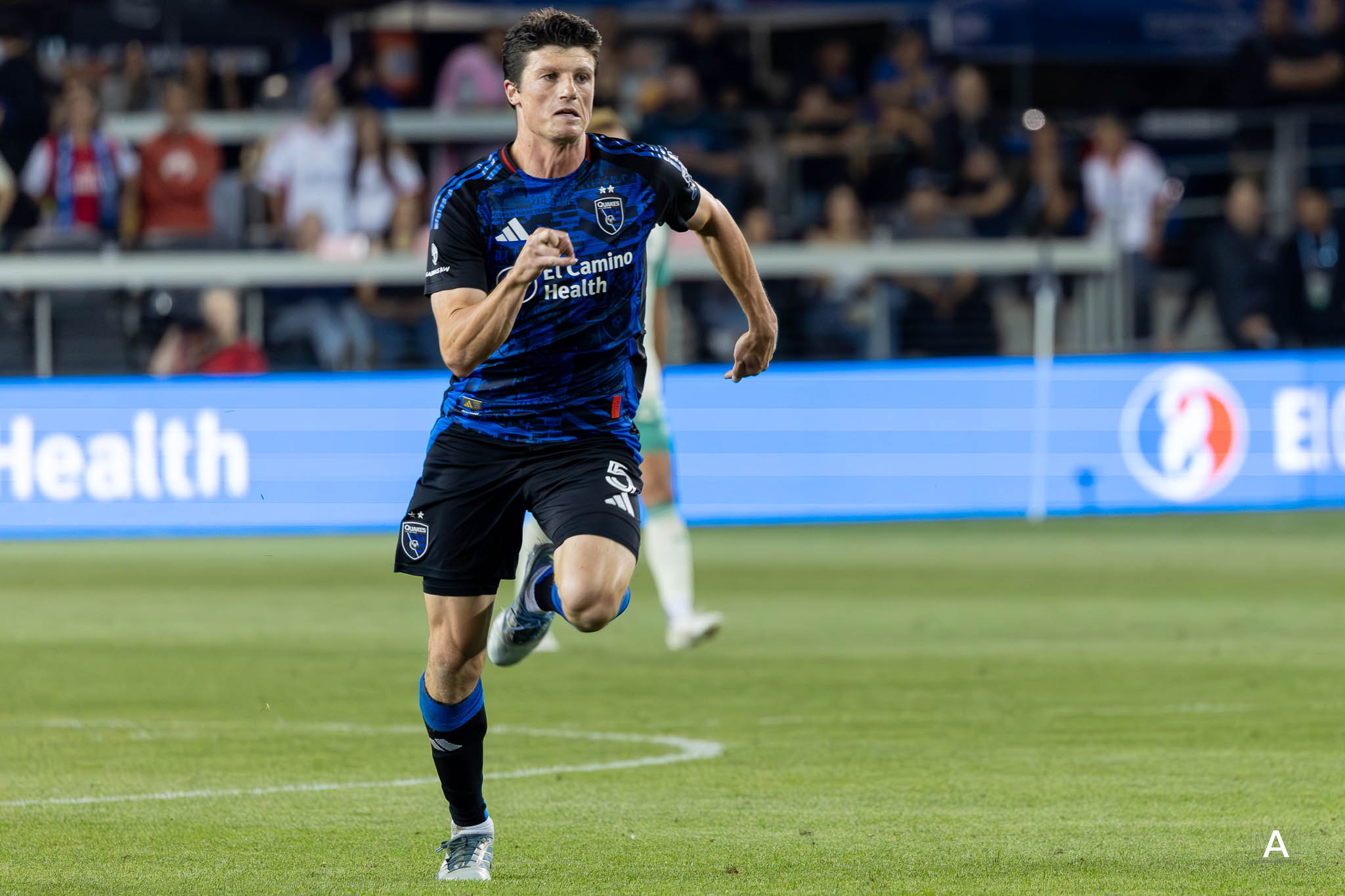
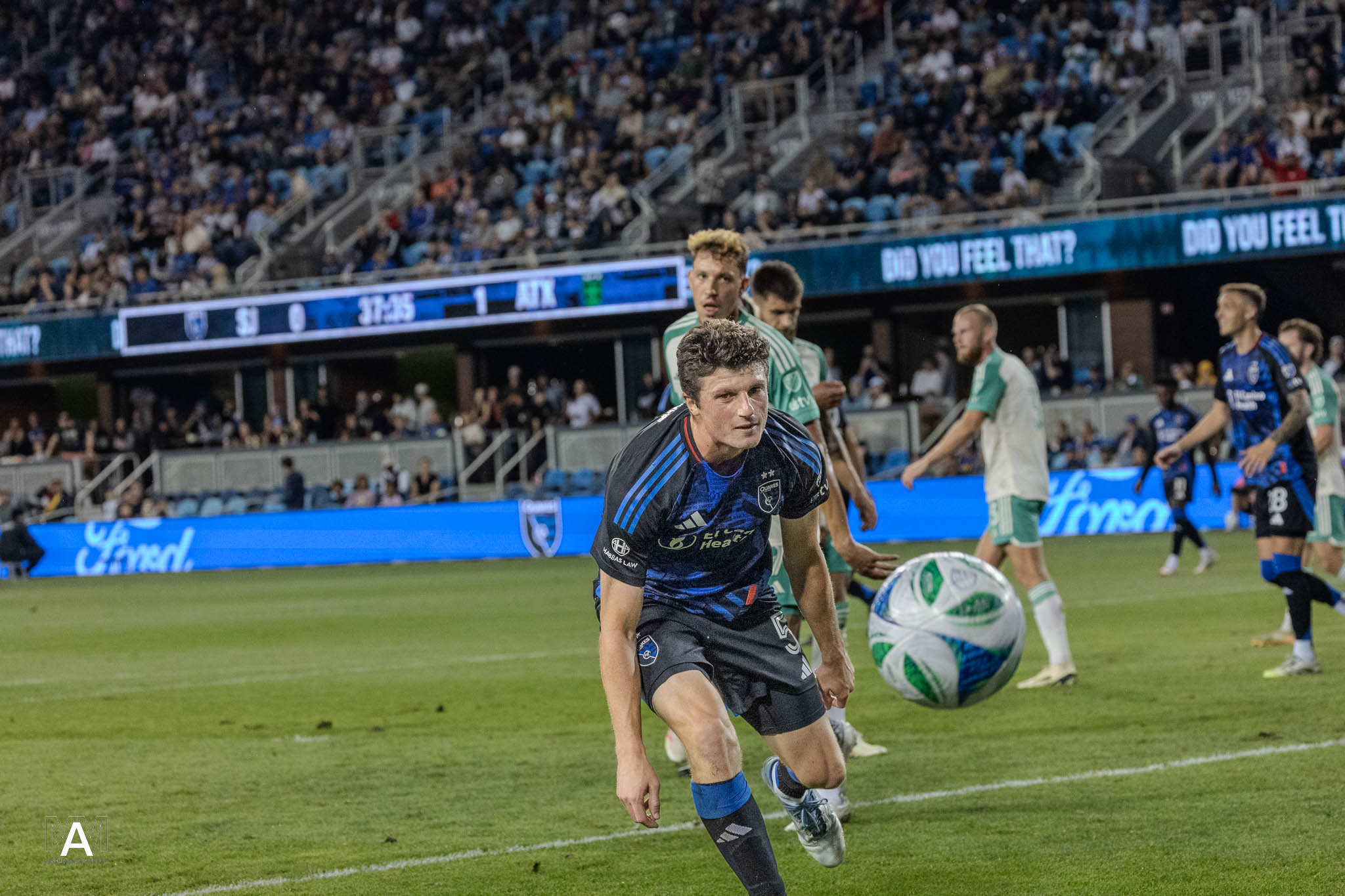

The San Jose Earthquakes enter the 2026 Major League Soccer season facing a familiar but increasingly urgent challenge: how to translate history, market potential, and incremental progress into sustained competitiveness. One of MLS’s original clubs, the Earthquakes carry both the weight of legacy and the frustration of recent seasons spent on the margins of the playoff race. As the calendar turns from 2025 to 2026, the organization finds itself in a period of transition defined by roster turnover, uncertainty at the ownership level, and cautious optimism that the pieces may finally be aligning for a return to postseason relevance.
While the Earthquakes have not lacked ambition, the gap between intent and results has been persistent. The 2026 season is shaping up as a proving ground not only for the players and coaching staff, but for the broader direction of the club itself.
The most visible sign of change heading into 2026 is the reshaped roster. San Jose’s 2025 campaign was marked by inconsistency, particularly in defensive organization and chance creation. While there were flashes of attacking promise, the inability to control matches for extended periods ultimately undermined playoff aspirations.
In response, the front office approached the offseason with a clear mandate: re-balance the squad. That effort has meant difficult decisions, including the departure of several veteran contributors whose contracts expired or were moved to create cap flexibility. While those players provided leadership and continuity, the club recognized that incremental tweaks would not be enough to alter its trajectory.
Incoming additions for 2026 reflect a shift in profile and philosophy. San Jose has prioritized younger, more mobile players capable of executing a higher-tempo style while also seeking targeted experience in key positions, particularly central defense and central midfield. The goal is not simply to refresh the roster, but to modernize it in a league that increasingly rewards athleticism, tactical flexibility, and depth.
The Earthquakes have also doubled down on internal development. Homegrown players and recent draft picks are expected to feature more prominently, signaling renewed confidence in the club’s developmental pipeline. For a team operating in one of the most competitive and expensive markets in the league, maximizing academy and domestic talent is not just strategic, it is essential.
However, roster changes alone do not define a team’s evolution. The Earthquakes’ progress toward playoff contention will depend heavily on how effectively those pieces are integrated on the field. Over recent seasons, San Jose has oscillated between styles, at times pressing aggressively and at others retreating into a more conservative shape. The lack of a consistent identity has often left the team vulnerable, particularly against disciplined opponents.
Heading into 2026, there is a renewed emphasis on clarity. The coaching staff has signaled a commitment to a system that balances controlled possession with quick vertical transitions. The aim is to reduce defensive exposure while allowing attacking players the freedom to exploit space rather than forcing low-percentage chances.
Continuity on the sidelines offers a chance for that vision to take hold. MLS history is filled with examples of teams that stagnated under constant turnover, and San Jose appears intent on avoiding that trap. With a clearer tactical framework and a roster better suited to execute it, the Earthquakes hope to close the gap between competitive performances and tangible results.
Perhaps the most consequential question surrounding the Earthquakes has nothing to do with tactics or personnel. The ongoing search for a new team owner looms large over the club’s future, shaping both perception and practical reality.
Ownership uncertainty has long been a complicating factor in San Jose’s ability to compete consistently within MLS. While the club has maintained operational stability, limitations in investment have often placed it at a disadvantage relative to more aggressively funded rivals. In a league where spending on designated players, infrastructure, and analytics increasingly separates contenders from also-rans, that gap has been difficult to ignore.
The hope among supporters and league observers is that new ownership could bring not only financial resources but also a renewed sense of ambition. San Jose remains an underleveraged market, situated in the heart of Northern California with access to a diverse fan base and corporate ecosystem. A committed ownership group could transform the Earthquakes’ ceiling, enabling investment in roster depth, training facilities, and long-term strategic planning.
At the same time, the transition carries risk. Ownership changes can disrupt continuity, alter priorities, and introduce uncertainty for players and staff. The challenge for the club in 2026 will be maintaining focus on the field while navigating developments off it. The complexity is not to be taken lightly. This is a balancing act that will test leadership at every level of the organization.
For the Earthquakes, the bar in 2026 is not abstract ambition but concrete improvement: becoming playoff eligible. In MLS, parity is both a blessing and a challenge. Small gains can yield significant jumps in the standings, but sustained mediocrity can just as easily keep a team trapped in the middle or bottom of the table.
San Jose’s path to the postseason depends on a handful of critical factors. Defensive consistency must improve, particularly in road matches where points have been historically hard to come by. The midfield must provide both stability and creativity, allowing the team to dictate games rather than react to them. On the attack, efficiency will be paramount. Promising buildup must turn into goals rather than squandered opportunities.
Equally important is mentality. Playoff teams are often distinguished not by overwhelming talent, but by resilience and belief. Late goals conceded, dropped points from winning positions, and extended winless runs have plagued San Jose in recent seasons. Addressing those patterns requires more than tactical tweaks, it demands a cultural shift toward expectation rather than hope.
As the 2026 season approaches, the San Jose Earthquakes stand at a defining moment. The roster changes from 2025 signal a willingness to confront hard truths. The ongoing search for new ownership underscores the need for structural evolution. And the stated goal of playoff eligibility provides a clear benchmark by which progress will be measured.
For supporters, the coming year offers cautious optimism tempered by realism. The Earthquakes are not promising instant transformation, but they are laying groundwork on and off the field in pursuit of a more competitive future. Whether that foundation is strong enough to carry the club back into the postseason in 2026 remains to be seen.
What is certain is that this coming season will matter a lot. In a league that rewards momentum and punishes stagnation, the Earthquakes have an opportunity to redefine their narrative. If roster evolution, tactical clarity, and organizational direction align, San Jose could finally begin the long climb from perennial outsider to playoff participant, or perhaps something more.
Ahsan Awan has been covering sports for over two decades, and has been covering professional soccer, including MLS and the San Jose Earthquakes, since 2014. All images taken by Ahsan Awan and Rouse for American Presswire and ©2025 Ahsan Awan and John Rouse, separately, for their respective contributions, to and for American Presswire, subject to unlimited use under license unless otherwise noted. Ahsan Awan can be found on X as @quackarazzi and on Instagram as @quackarazzi. American Presswire can be found on X as @ampresswire, on Instagram as @ampresswire, and on Bluesky as @apw.bsky.social.