

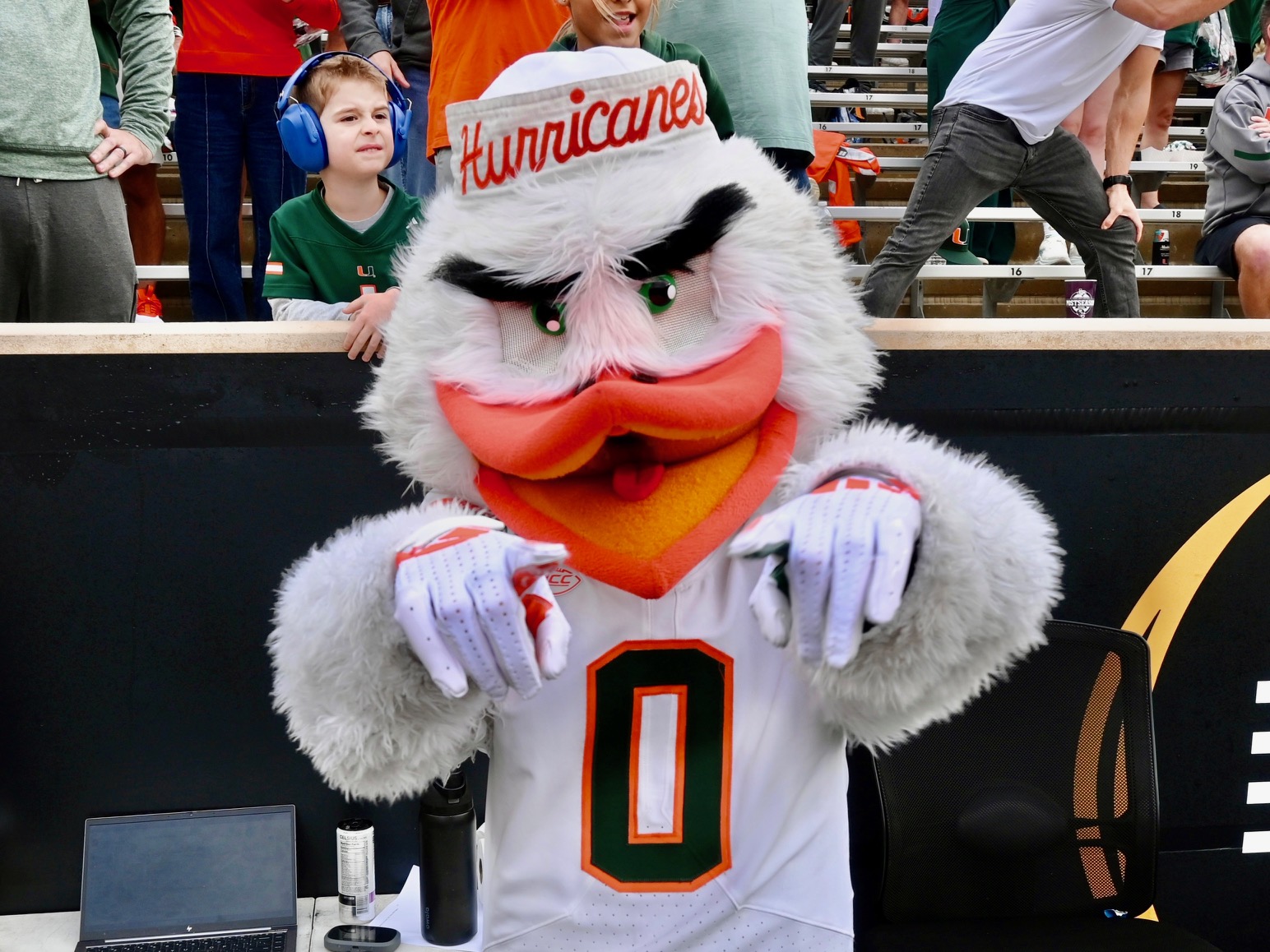
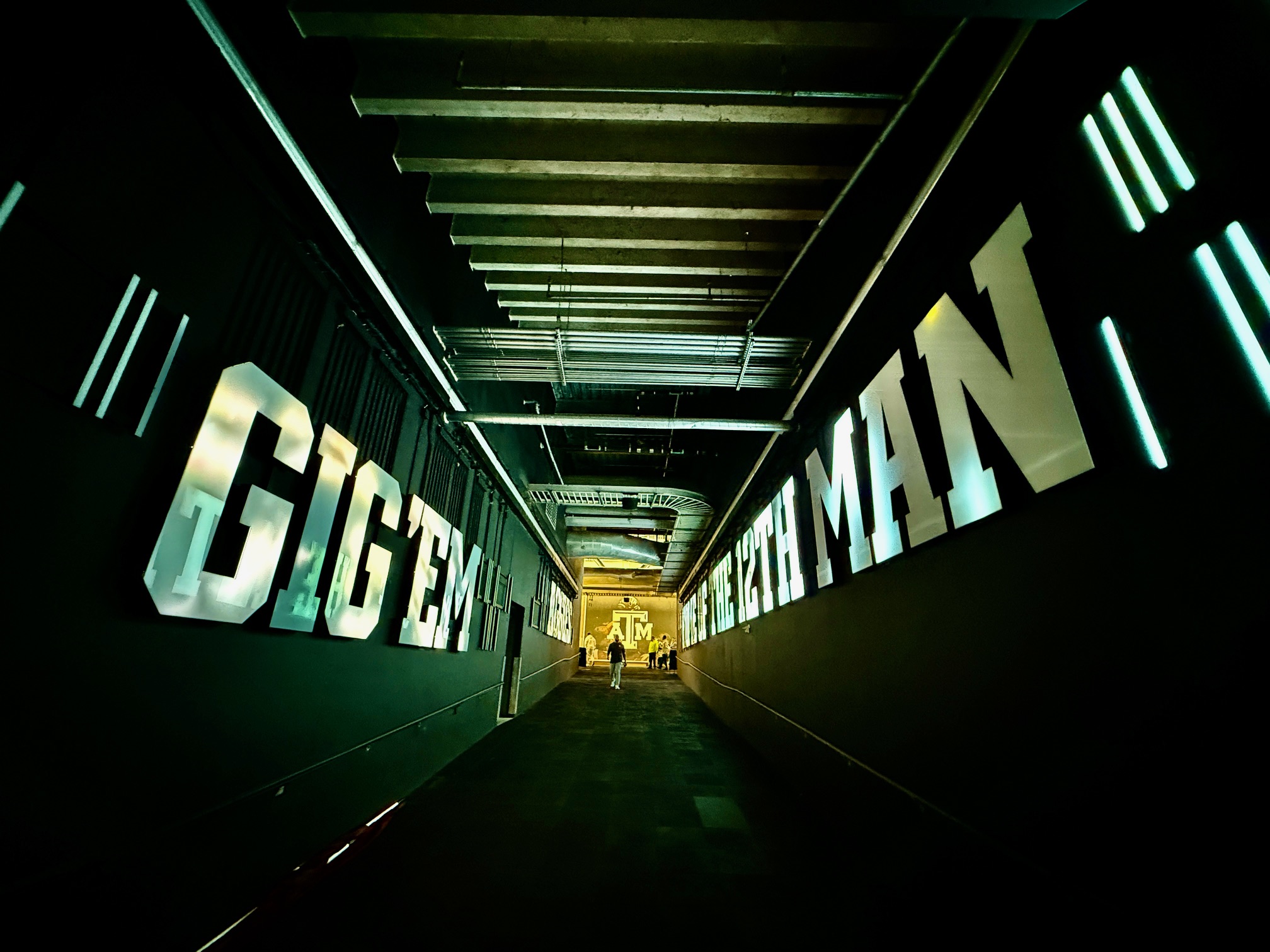

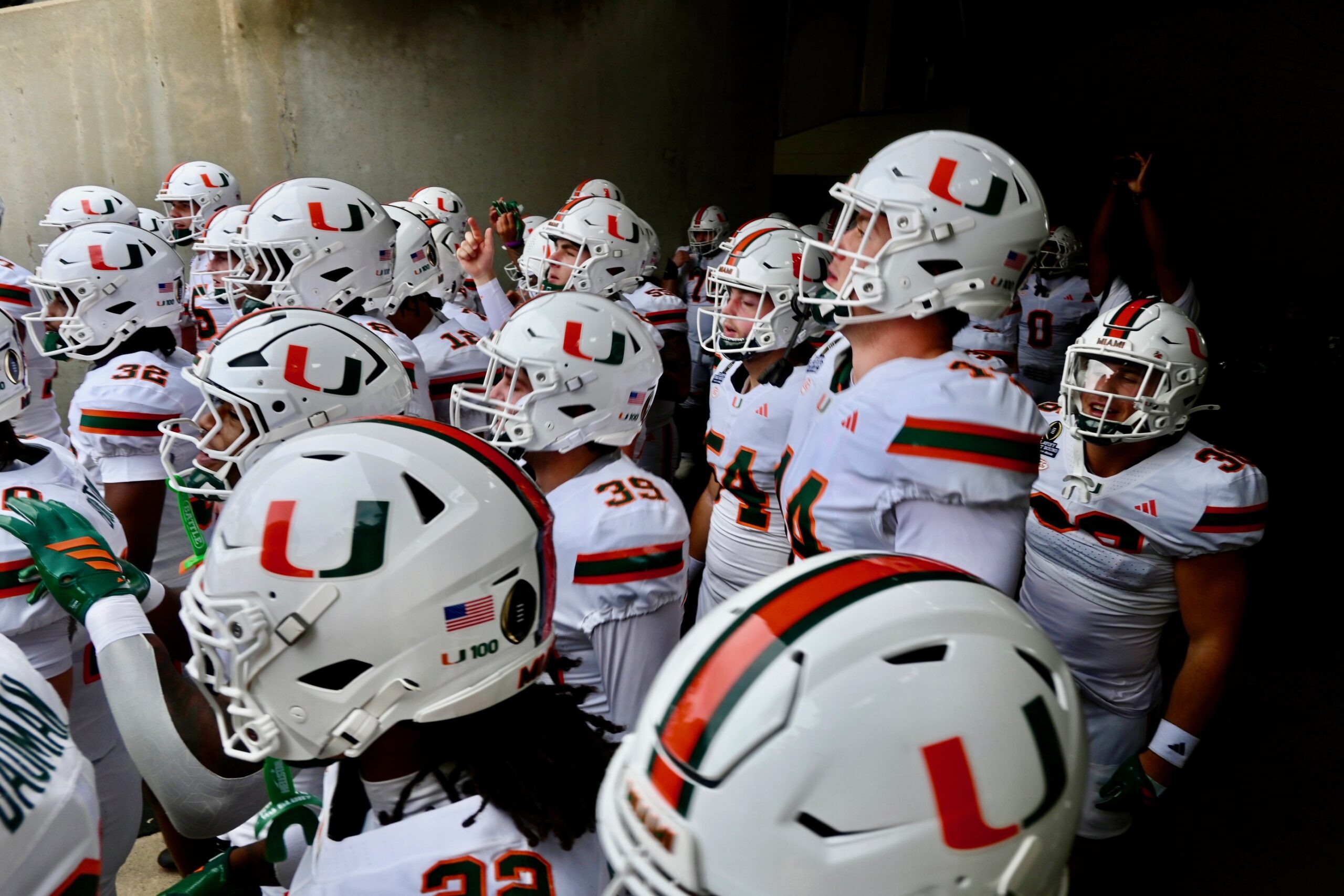
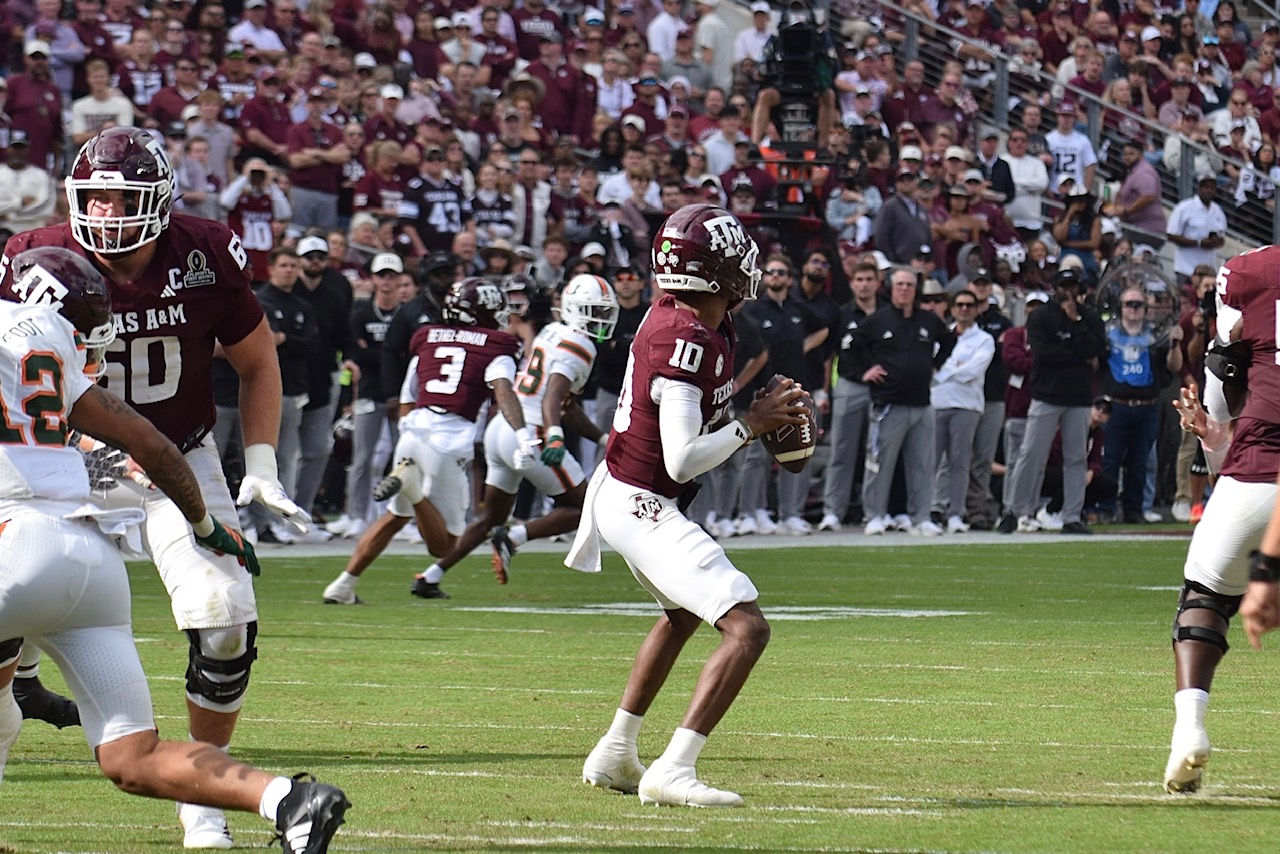
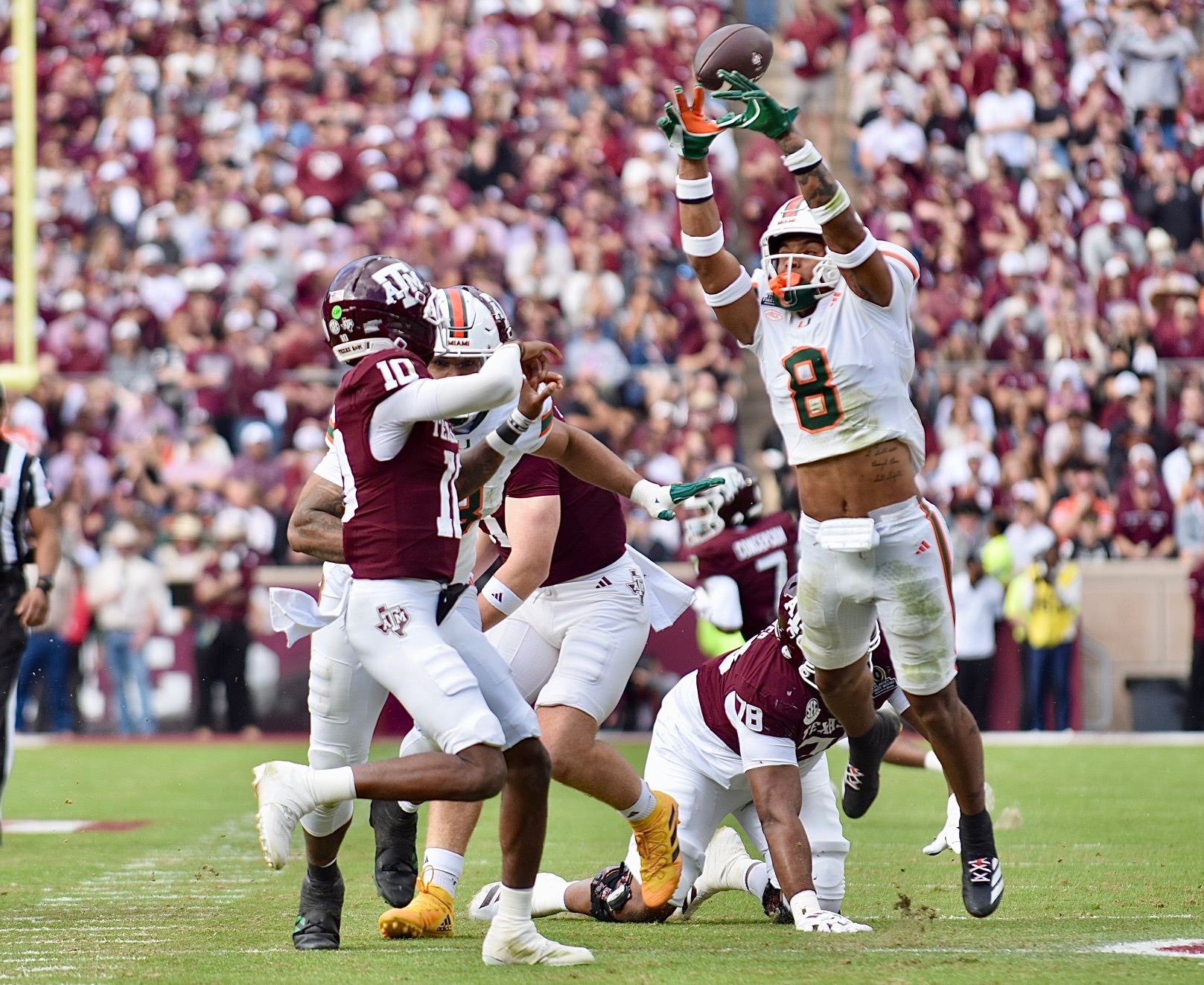


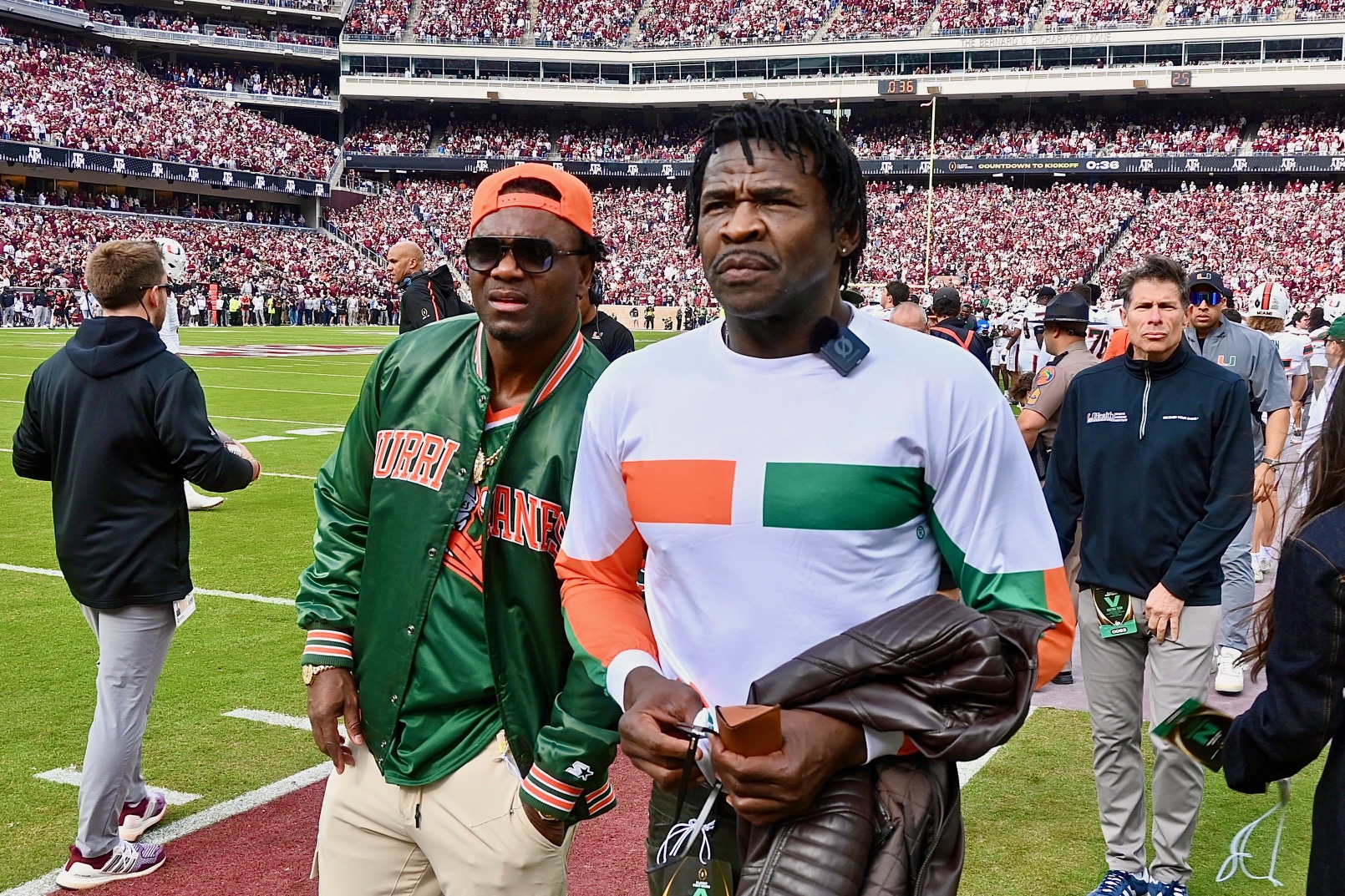
The expanded College Football Playoff promised unpredictability, regional tension, and the possibility that traditional hierarchies would be challenged on campus fields steeped in history. On December 20, 2025, that promise materialized in stark fashion at Kyle Field in College Station, Texas, where the #10 Miami Hurricanes delivered one of the defining moments of the 2025–2026 postseason. In a game shaped by defense, discipline, and nerve, Miami upset the #7 Texas A&M Aggies, 10–3, turning one of the loudest venues in college football into a study in stunned quiet.
The scoreline was modest, even austere by modern standards, but the result was seismic. Miami’s victory was not just an upset, it was a statement about identity, preparation, and the unforgiving nature of playoff football.
The first round of the expanded playoff brought postseason football back to campus in a way the sport had rarely seen. Home-field advantage, long discussed and debated, became tangible at Kyle Field, a venue synonymous with intensity and atmosphere. Texas A&M entered the game confident that its physical style and home crowd would tilt the balance.
Miami arrived with a different narrative. The Hurricanes, seeded tenth, had spent much of the season fighting for respect as much as wins. Their inclusion in the playoff validated their body of work, but their path forward demanded proof. Winning on the road, in December, against a higher-seeded SEC opponent was the ultimate test.
What unfolded was a reminder that playoff football strips the game to its essentials.
From the opening kickoff, it was clear this would not be a shootout. Both teams played with the caution and intensity that define elimination games. Field position mattered. Mistakes were magnified. Every first down felt consequential.
Texas A&M sought to establish its running game early, hoping to wear down Miami’s front and unleash its play-action attack. Miami responded with discipline and speed, clogging interior lanes and forcing the Aggies into uncomfortable third-down situations. The Hurricanes’ defensive front held firm, while the secondary kept plays in front, prioritizing containment over risk.
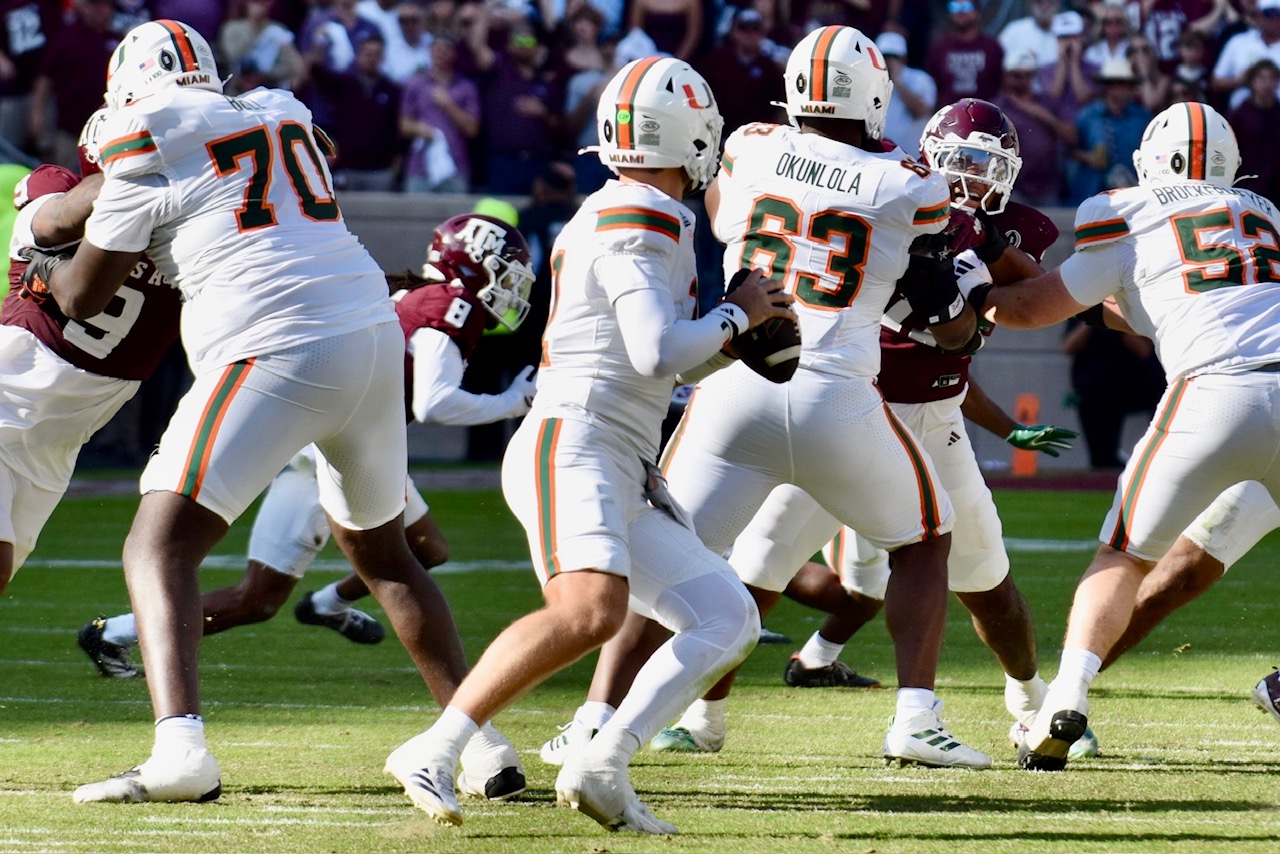
Offensively, Miami adopted a patient approach. Rather than forcing tempo, the Hurricanes focused on ball control, accepting modest gains and trusting their defense to keep the game within reach. The first half unfolded as a tense stalemate, with scoring opportunities rare and hard-earned.
The game’s defining sequence came not from a single explosive play, but from accumulation. Miami struck first with a methodical scoring drive that ended in points and shifted pressure squarely onto Texas A&M. In a low-scoring contest, the opening score carried outsized weight.
Texas A&M responded with urgency, but not clarity. Drives stalled under Miami’s defensive pressure, and the Aggies found themselves settling for limited gains rather than sustained momentum. A field goal narrowed the gap, but it did little to alter the underlying dynamic: Miami was dictating terms.
As the second half unfolded, the Hurricanes grew more confident. Defensively, they tightened further, closing passing windows and swarming ball carriers. Texas A&M’s offense, accustomed to imposing itself physically, struggled to find rhythm against Miami’s speed and discipline.
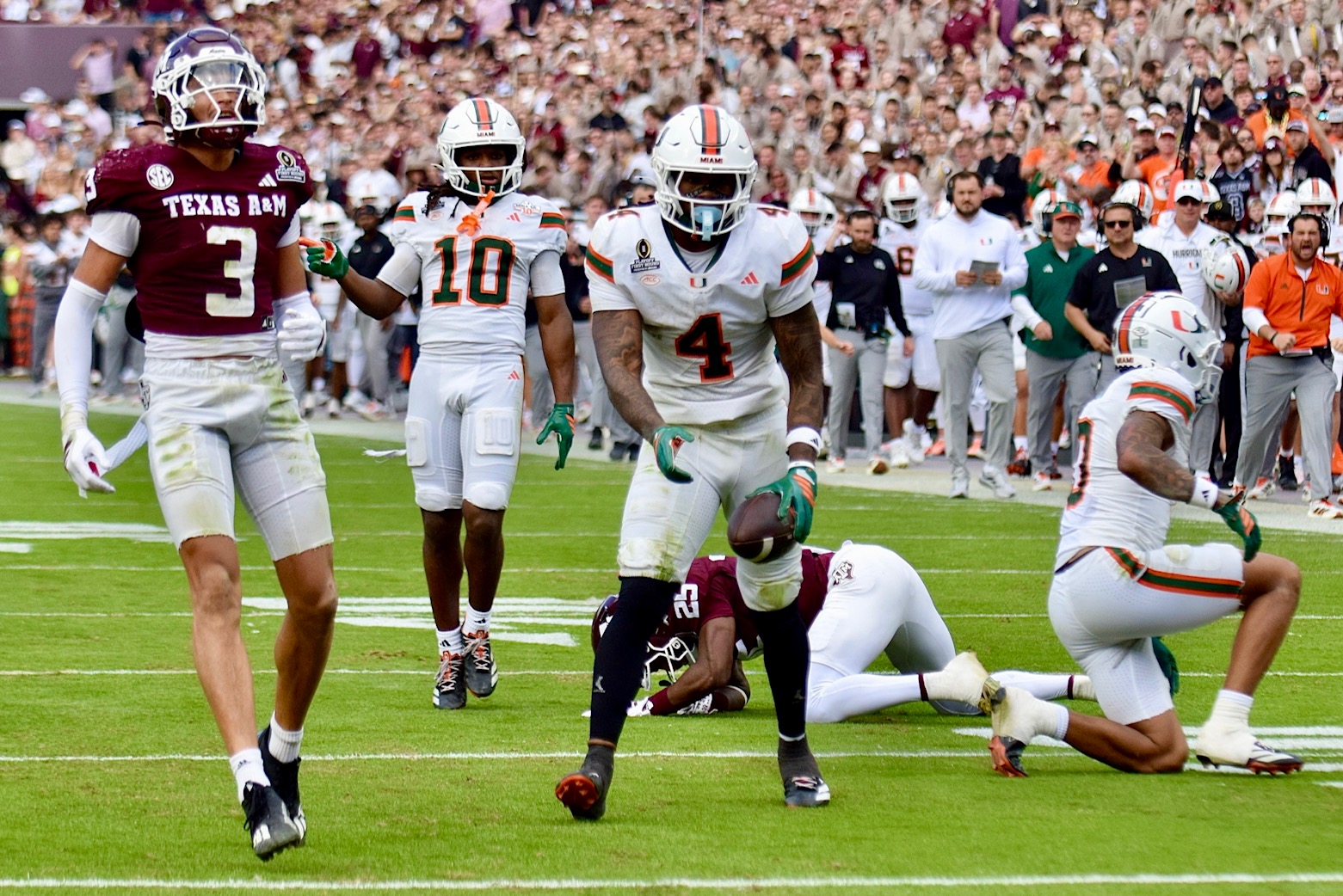
The decisive blow came late. Miami capitalized on field position and execution, adding a touchdown that stretched the lead to 10–3. In a game where points were precious, it felt insurmountable.
Perhaps the most striking element of the night was the transformation of Kyle Field itself. Known for relentless noise and emotional swings, the stadium gradually quieted as Miami asserted control. Each defensive stand drained energy from the crowd; each stalled Aggie drive compounded the tension.
When the final minutes ticked away, the silence was unmistakable. The Hurricanes had done more than win, they had imposed their will in one of the most hostile environments in college football. The upset was complete, and the playoff bracket had been reshaped.
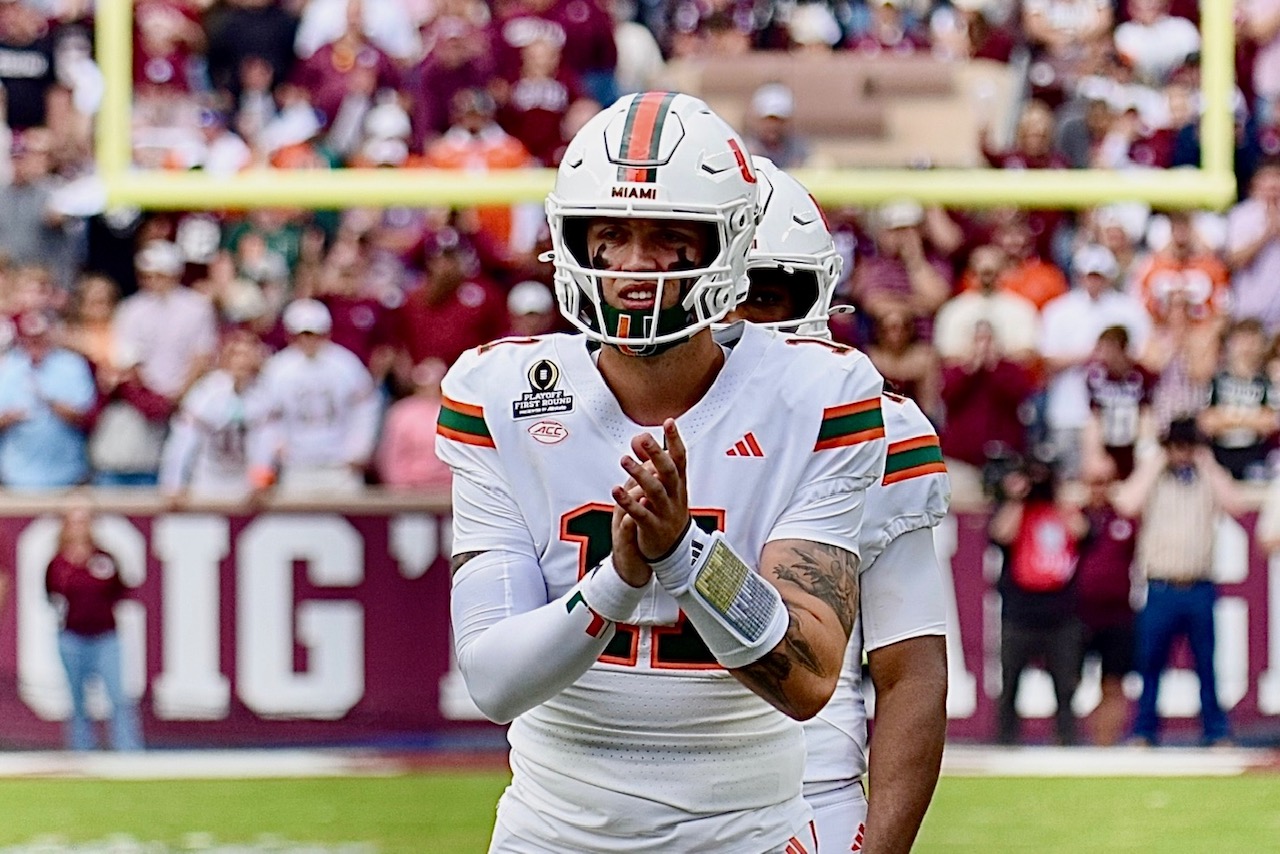
For Miami, the victory was emblematic of a program rediscovering its edge. The Hurricanes did not rely on flash or volume; they relied on toughness, preparation, and belief. Winning 10–3 in a playoff game required trust in the game plan, in teammates, and in the idea that defense still wins championships.
The result validated Miami’s season-long identity as a team capable of winning ugly when necessary. It also reinforced the Hurricanes’ legitimacy in the expanded playoff field, silencing doubts about whether they belonged on the same stage as higher-seeded power conference teams.
For Texas A&M, the loss was abrupt and sobering. Playing at home, with expectation and advantage, the Aggies were unable to translate opportunity into production. The defensive effort was commendable, but playoff football leaves little margin for offensive stagnation.
The game underscored the reality that postseason success demands adaptability. When the original plan falters, teams must adjust quickly or risk elimination. Texas A&M could not find that adjustment in time.
As one of the first completed matchups of the 2025–2026 College Football Playoff, Miami’s win over Texas A&M sent a clear message. Seeding matters less than execution. Atmosphere matters less than composure. And in December, defense and discipline can outweigh reputation.
The Hurricanes’ 10–3 victory was not glamorous, but it was definitive. It embodied the essence of playoff football and affirmed why expansion brought not dilution, but drama.
On a cold December night in College Station, Miami didn’t just advance, they reminded the sport that in the playoff era, certainty is an illusion and every game begins at zero.
Ahsan Awan has been covering sports for over two decades, and has been covering NCAA football, including various Big Ten, Big 12, ACC, SEC, Mountain West, Pacific-12, and Big Sky conference member institutions, since 2007. Images taken by Andrew Giesemann are ©2025 Andrew Giesemann and have been made available to American Presswire subject to unlimited use under license unless otherwise noted. Editorial use by American Presswire is unrestricted. Andrew Giesemann can be found on X as @DrewGiesemann and on Instagram as @useedrew. Ahsan Awan can be found on X as @quackarazzi and on Instagram as @quackarazzi. American Presswire can be found on X as @ampresswire and on Instagram as @ampresswire.