

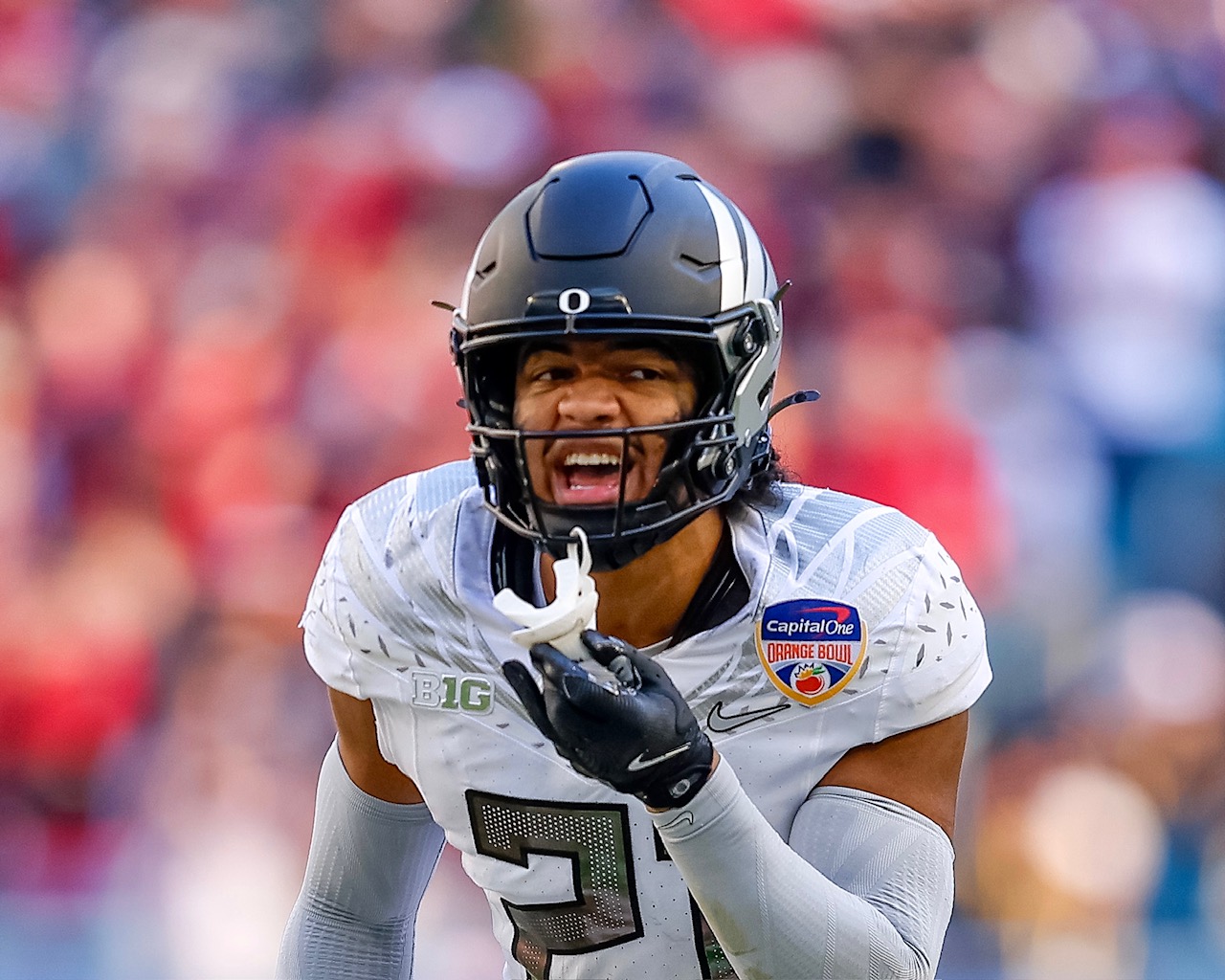
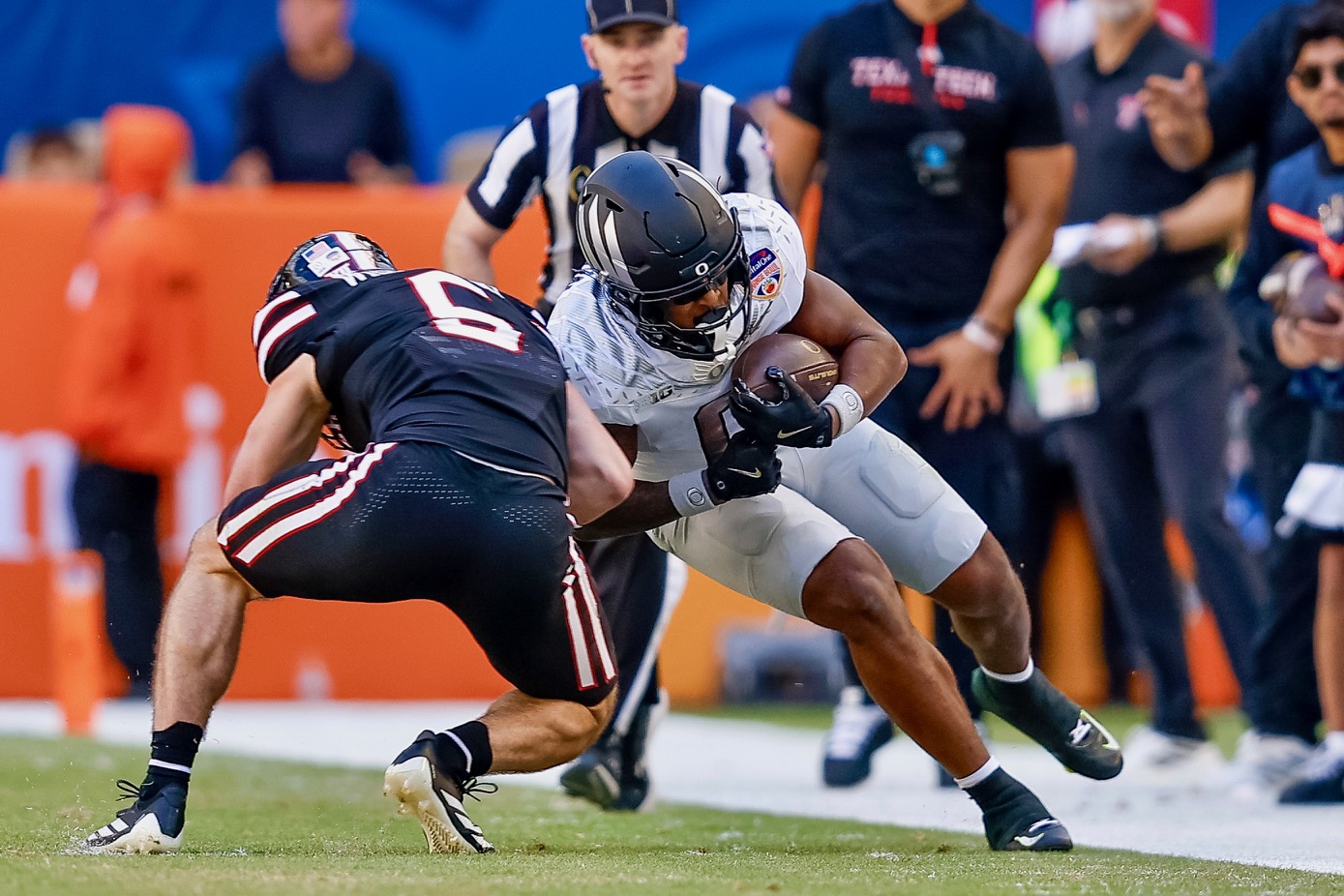
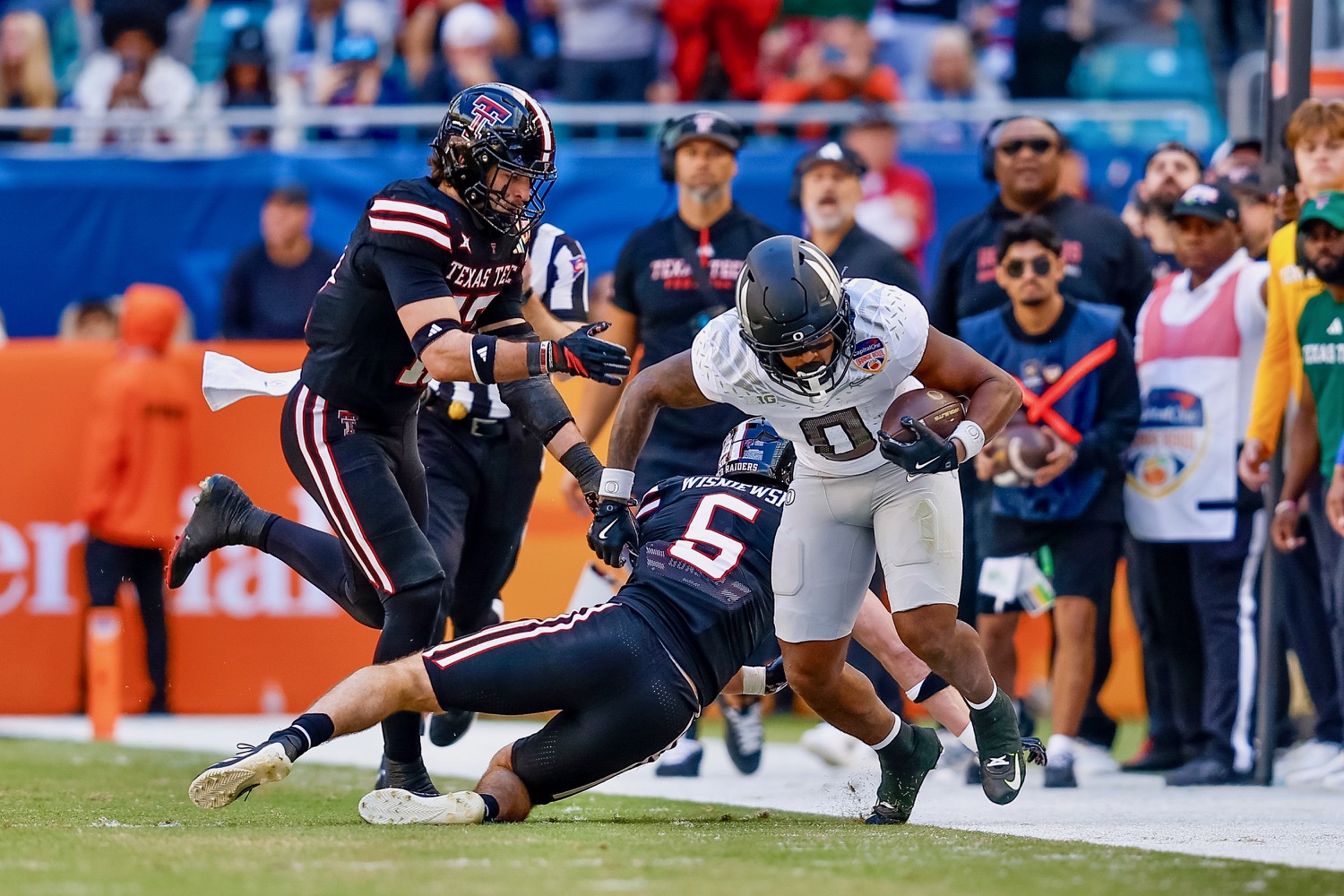
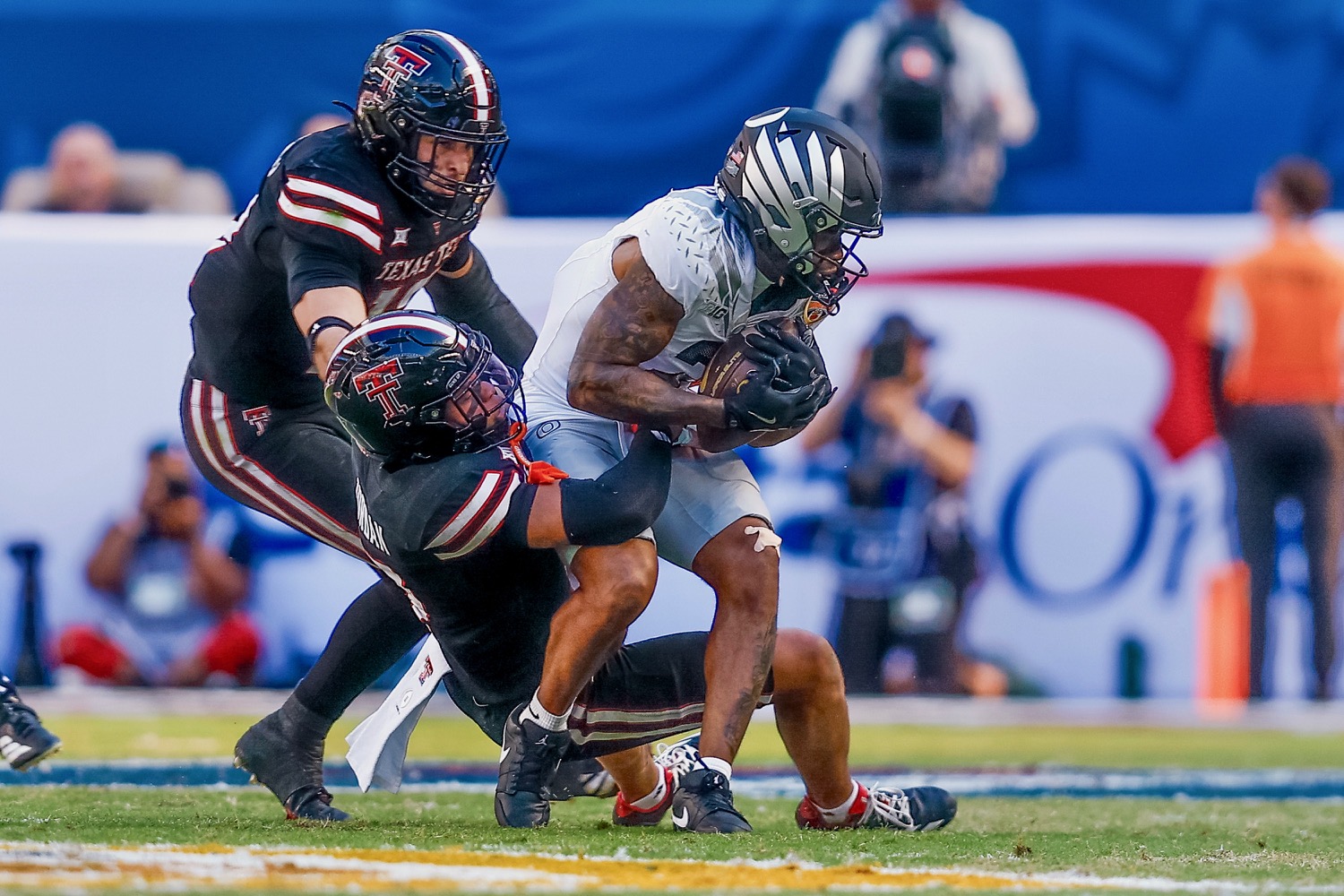
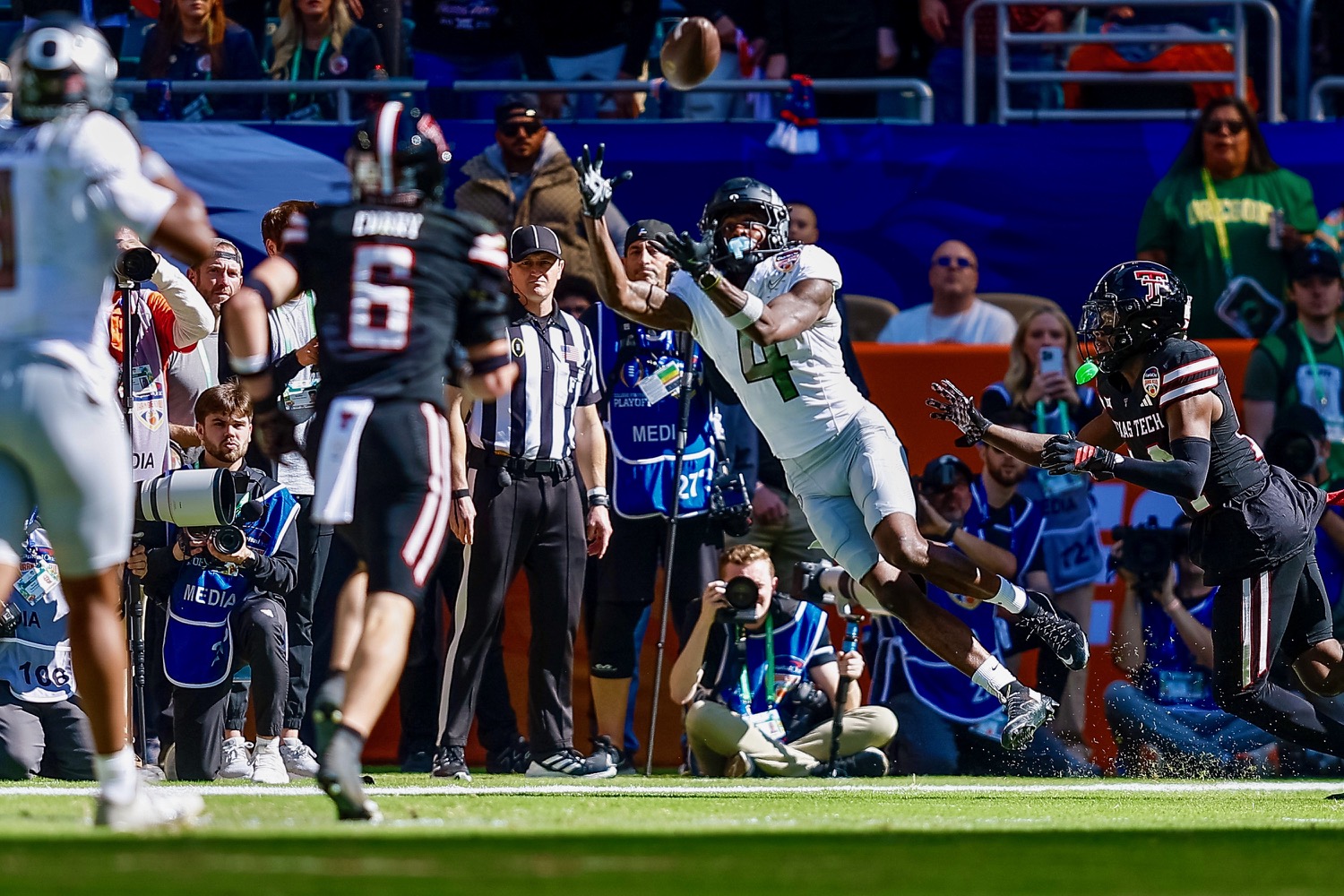

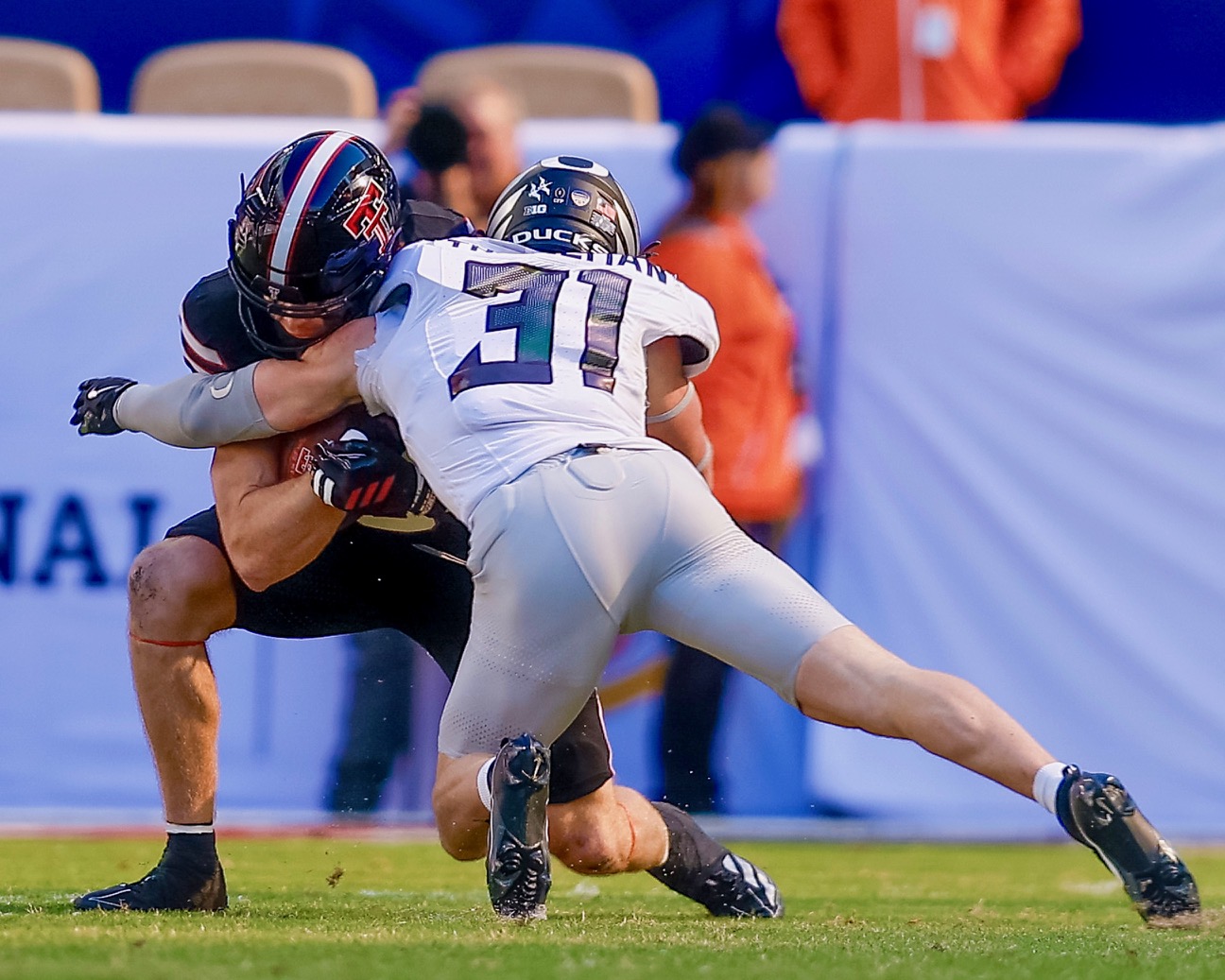

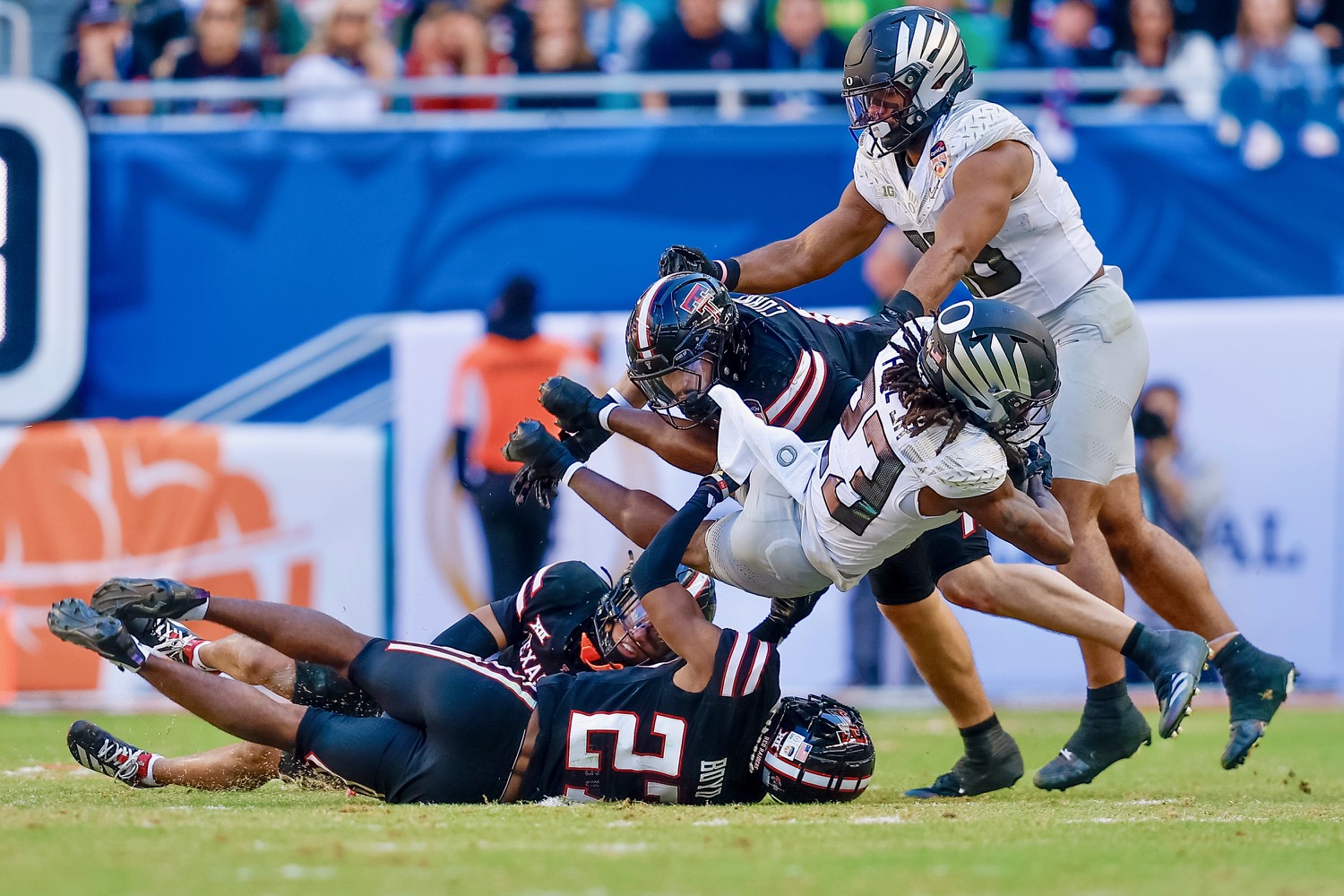


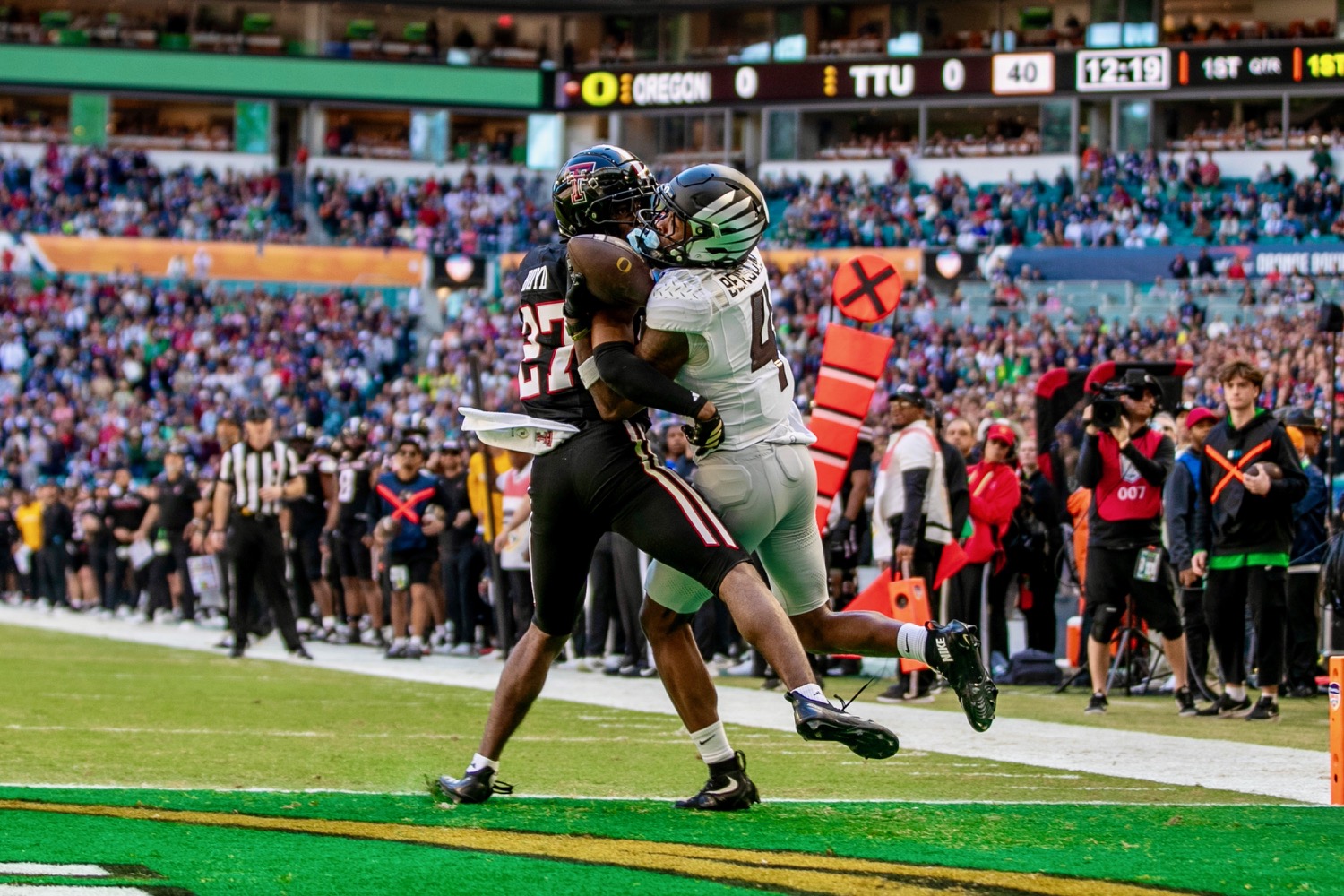

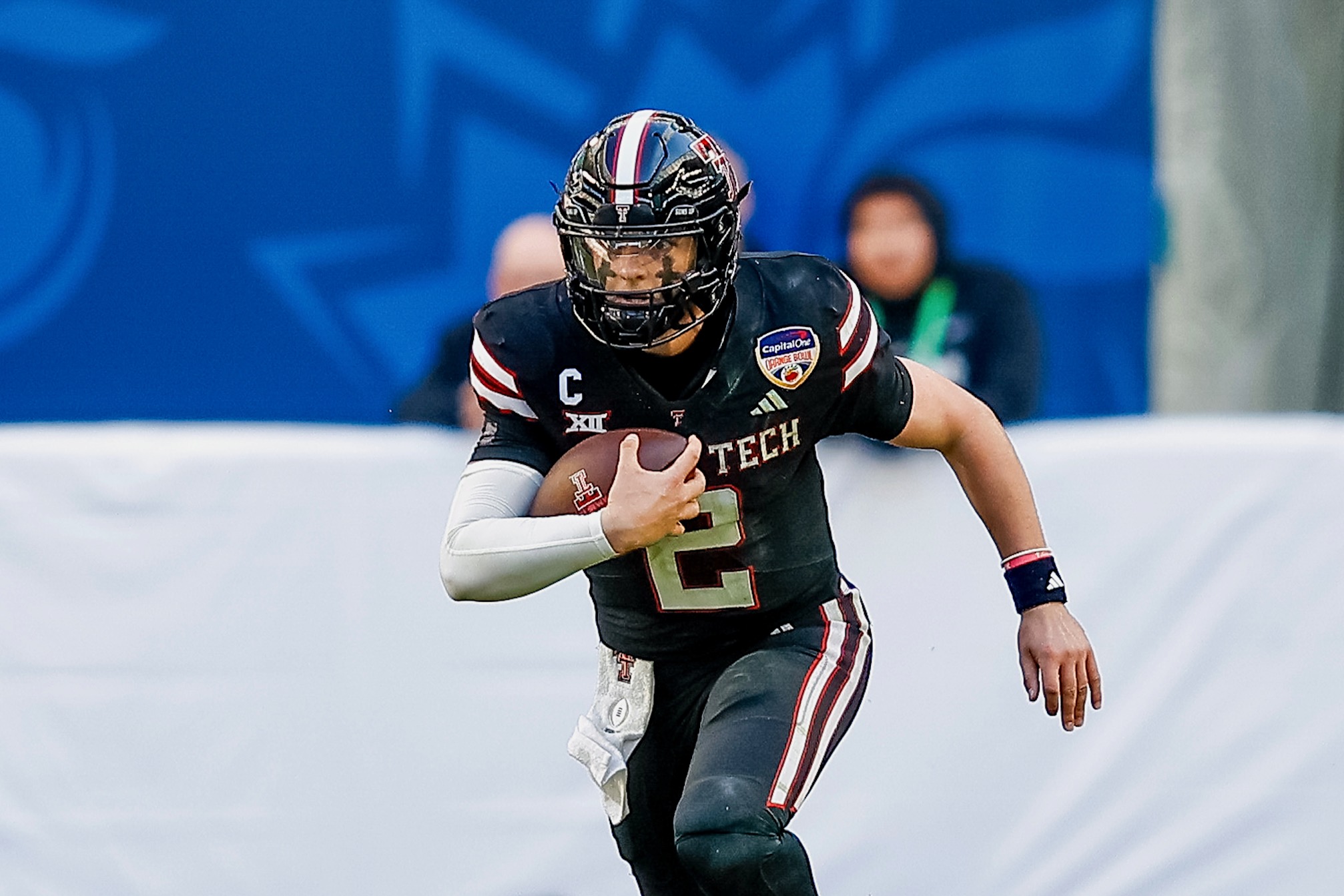
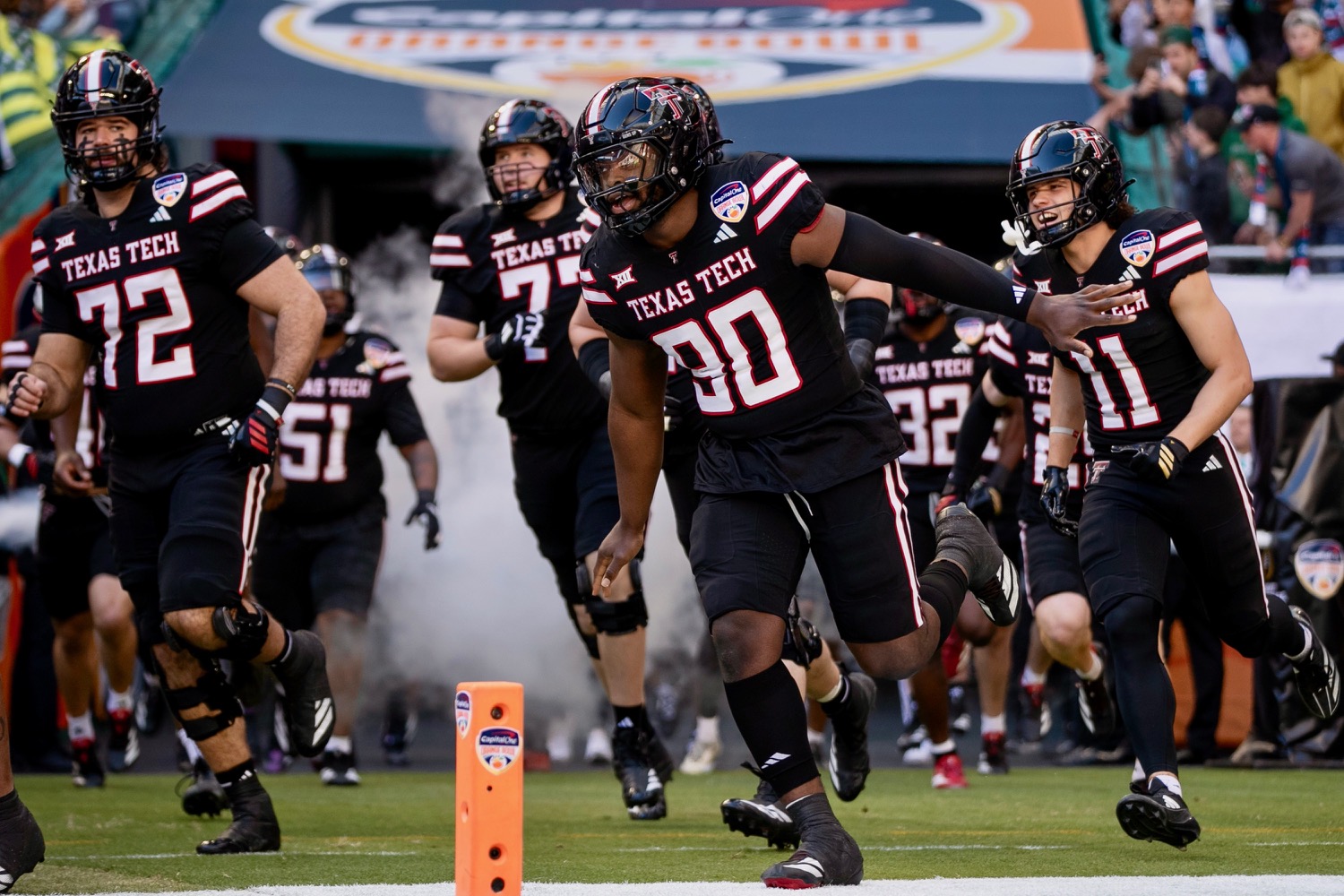
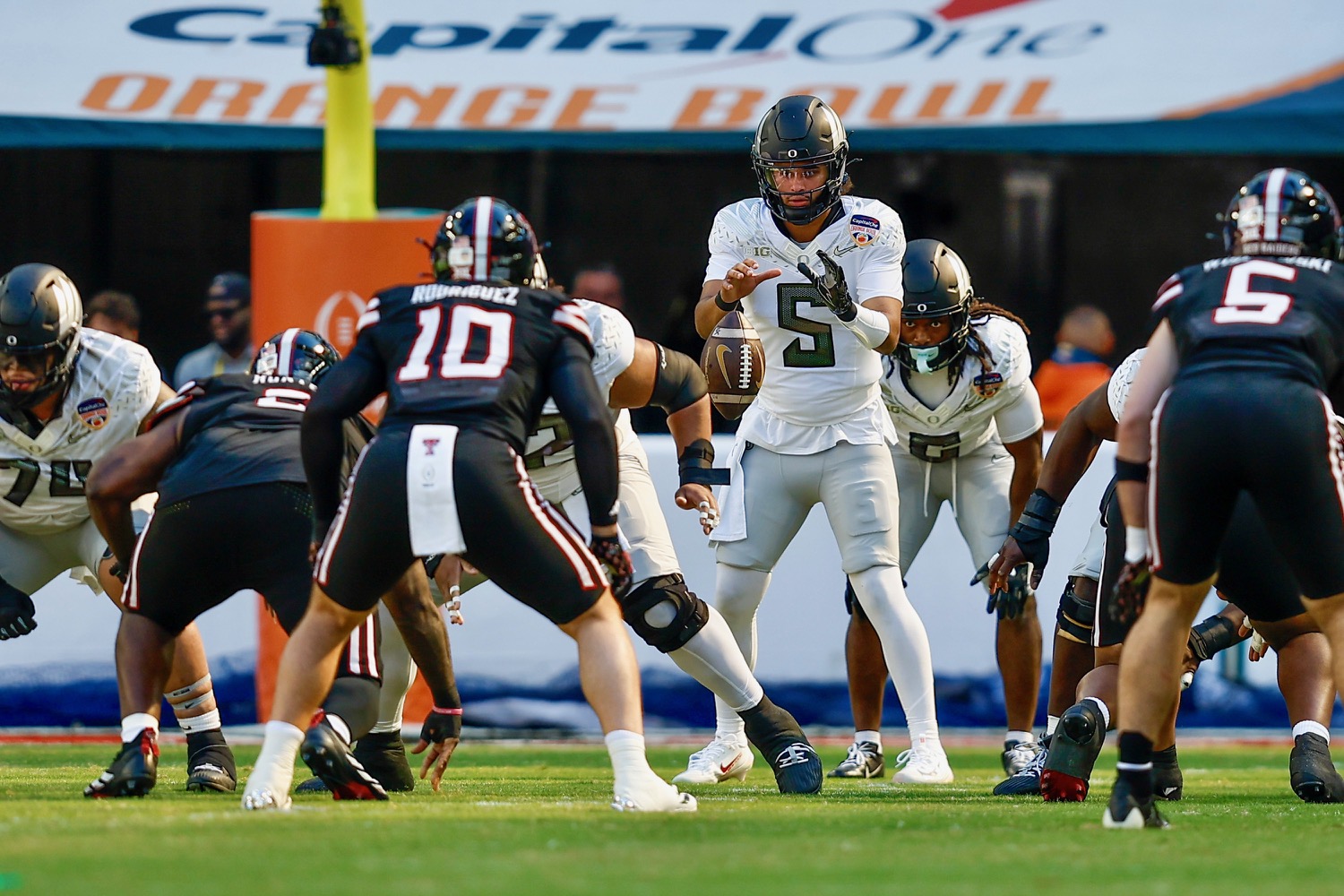

The first day of 2026 delivered a reminder of how unforgiving the College Football Playoff can be when preparation meets precision. At Hard Rock Stadium in Miami Gardens, Florida, the Oregon Ducks closed the door emphatically on the Texas Tech Red Raiders, earning a 23–0 victory in the Capital One Orange Bowl quarterfinal on January 1, 2026. In a postseason defined by tension and upsets, Oregon’s performance stood apart for its clarity and control.
This was not a game decided by drama or late heroics. It was decided by authority. From the opening series to the final whistle, Oregon dictated tempo, field position, and physicality, producing the playoff’s first shutout of the expanded era and sending a message that the Ducks’ ambitions extended well beyond simply advancing.
Few bowl games carry the historical weight of the Orange Bowl. Long a centerpiece of college football’s postseason, its role as a playoff quarterfinal elevated the stakes even further. The setting in South Florida provided a neutral yet symbolic stage: sunshine, tradition, and national attention converging on a game that promised contrast.
Texas Tech arrived with momentum and confidence, having navigated a challenging path to the playoff. The Red Raiders’ season was defined by offensive creativity and resilience, a team capable of striking quickly and unsettling opponents. Oregon, by contrast, entered with the reputation of balance and depth, a roster built to absorb pressure and apply it in return.
What followed was not a clash of equals, but a demonstration of separation.
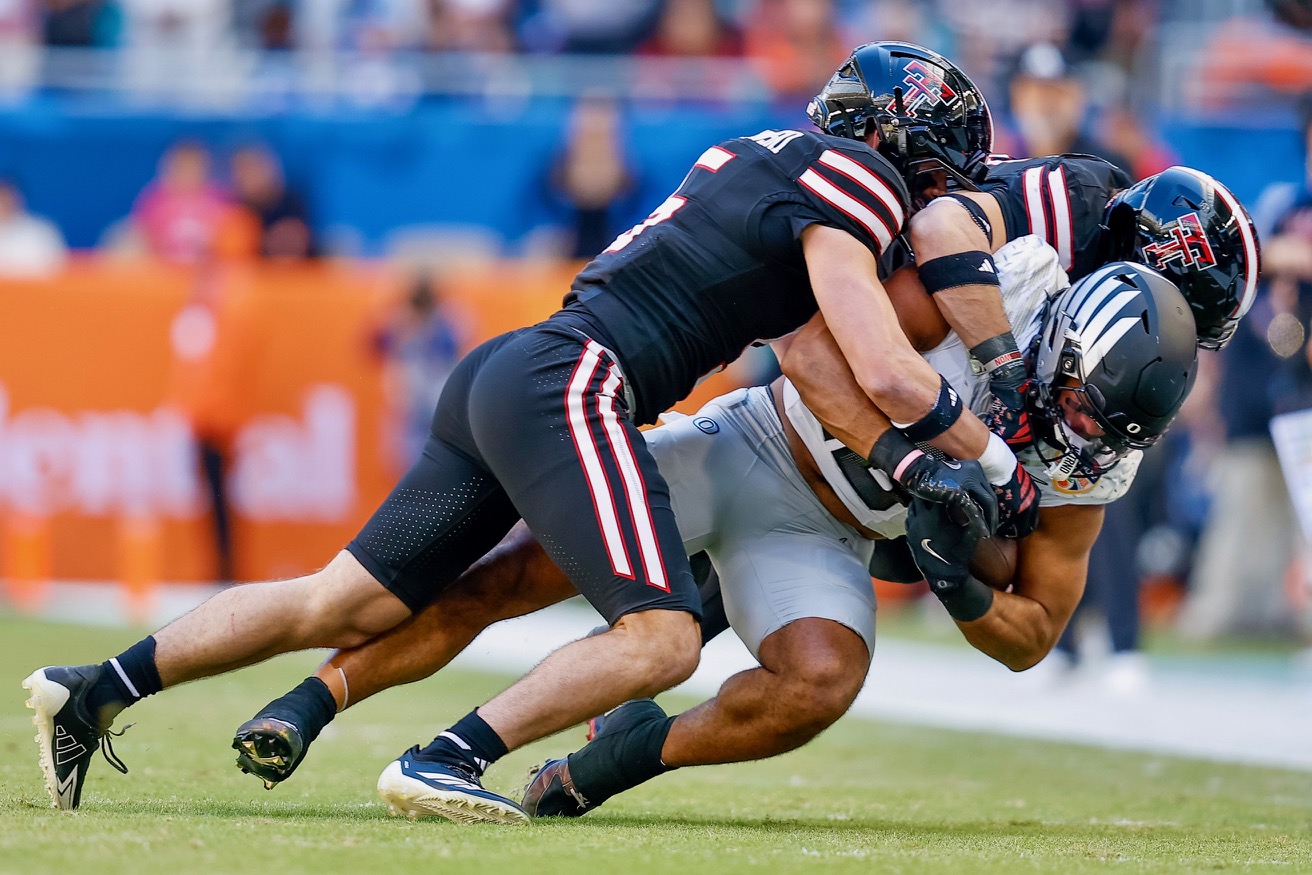
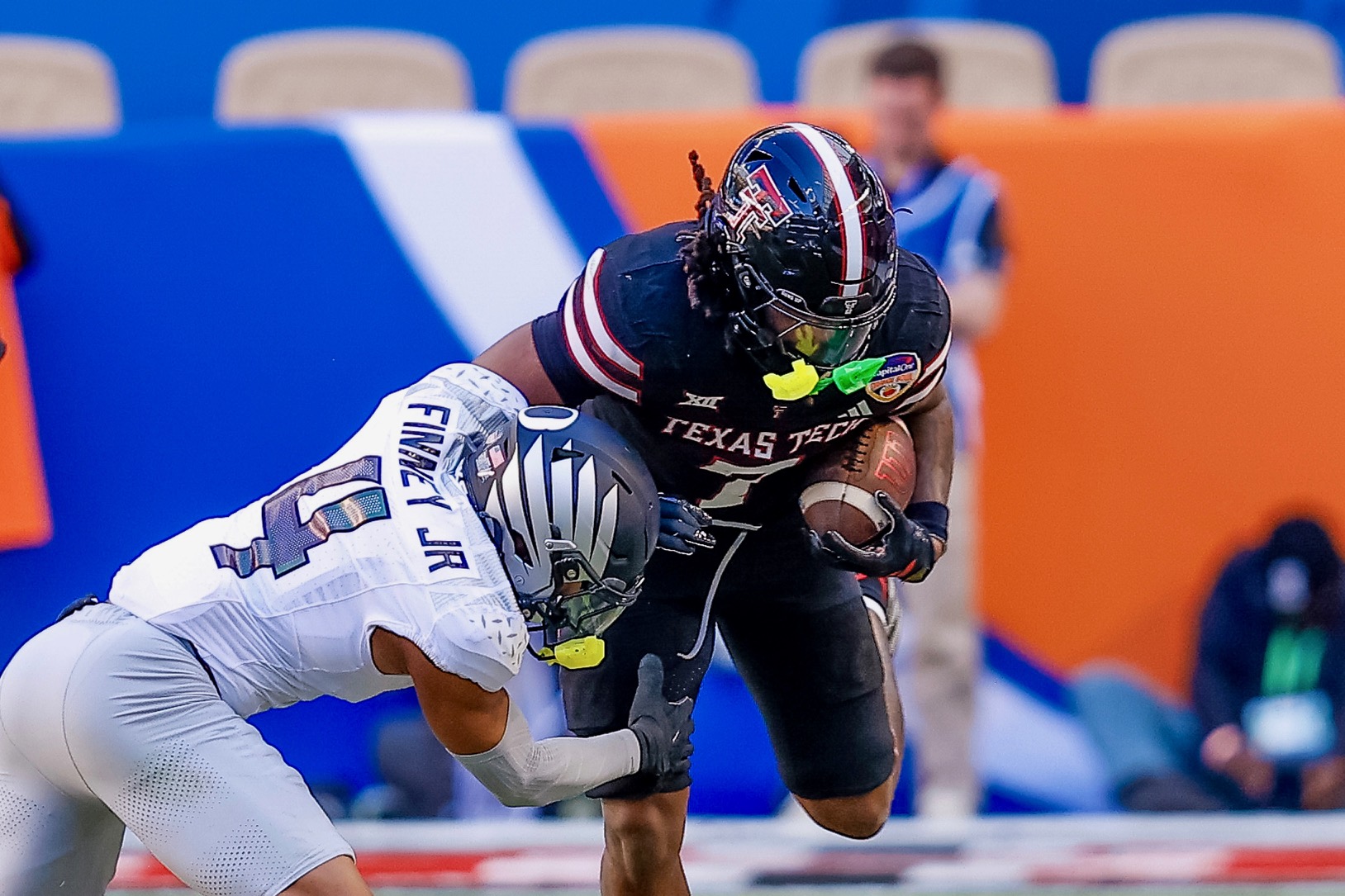
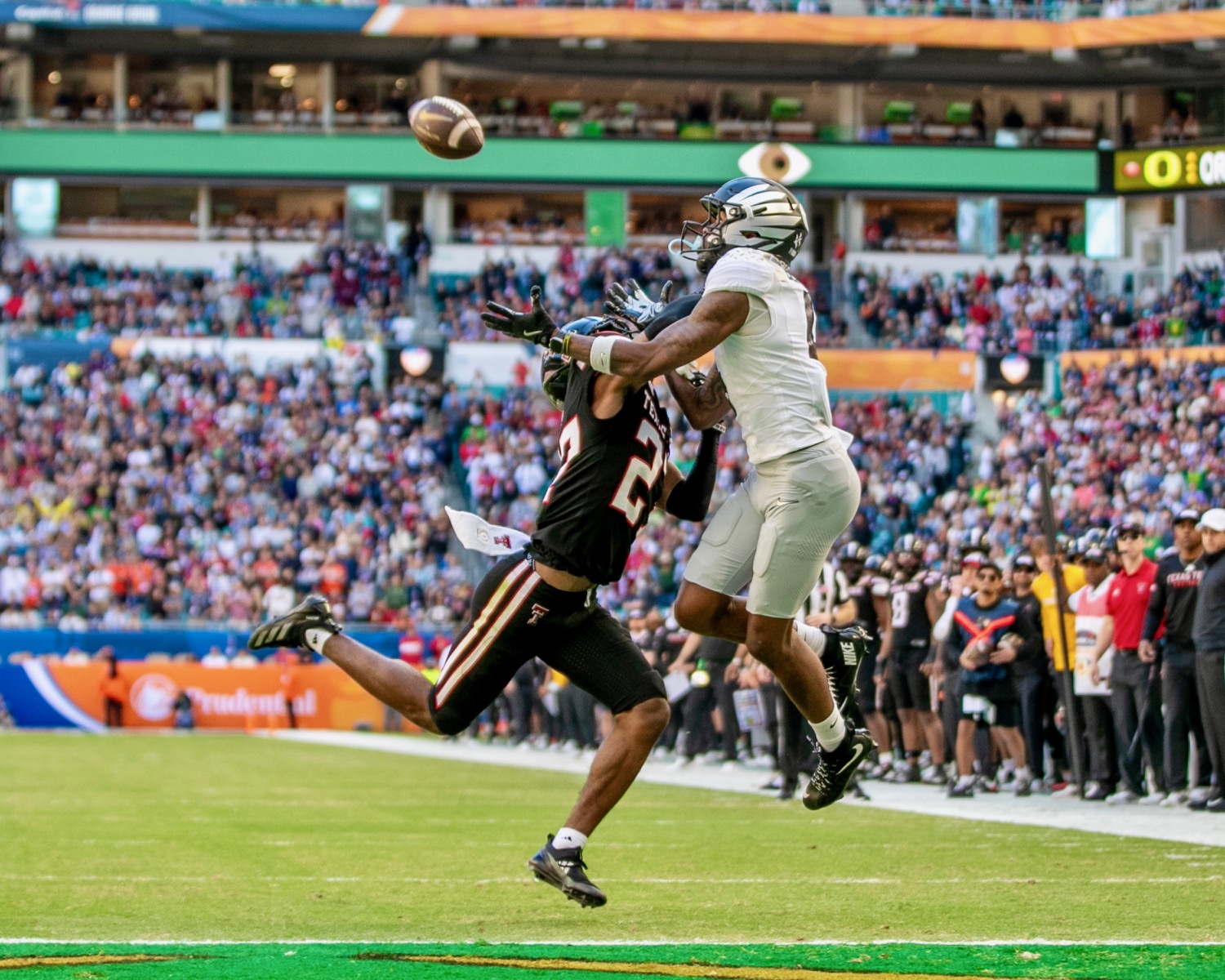
From the opening kickoff, Oregon made its intentions clear. The Ducks’ defense set the tone immediately, swarming Texas Tech ball carriers and closing passing windows with speed and discipline. The Red Raiders’ early possessions ended without rhythm, disrupted by pressure and tight coverage.
Offensively, Oregon adopted a measured approach. Rather than forcing explosive plays, the Ducks emphasized efficiency in the form of short completions, patient runs, and careful management of down and distance. The strategy paid dividends quickly, as Oregon converted early opportunities into points and seized a lead that felt heavier than the scoreboard suggested.
Texas Tech attempted to respond with tempo, but Oregon’s defensive structure refused to bend. Each stalled drive reinforced the sense that this game would be played on Oregon’s terms.
If there was a defining element of the Orange Bowl, it was Oregon’s defense. The Ducks executed a near-flawless game plan, neutralizing Texas Tech’s strengths and exposing its vulnerabilities. The Red Raiders, accustomed to finding space through motion and misdirection, found lanes closed and reads complicated.
Third downs became a recurring obstacle. Oregon’s ability to apply pressure without sacrificing coverage forced hurried decisions and limited gains. Tackling in space, a perennial postseason challenge, was executed with precision, preventing the kind of explosive plays Texas Tech relies upon to build momentum.
By halftime, the shutout was intact, and the tone was unmistakable. Texas Tech was not being overwhelmed by flash, but by structure. Oregon’s discipline was the difference.
The third quarter provided Texas Tech with its final opportunity to change the narrative. Any early score could have shifted momentum, injected belief, and tested Oregon’s composure. Instead, the Ducks doubled down.
Oregon extended its lead through sustained drives that drained time and energy. Each possession ended with points or pinned Texas Tech deep, compounding frustration and urgency. The Ducks’ offense may not have dazzled, but it executed, and that’s a hallmark of teams built for postseason success.
As the game progressed, the Red Raiders’ margin for error disappeared entirely. Forced to chase points against a defense that refused to yield space, Texas Tech pressed. Mistakes followed, and Oregon capitalized by maintaining control rather than gambling unnecessarily.
By the fourth quarter, the outcome was clear. The question was no longer whether Oregon would win, but whether Texas Tech could break the shutout. The Ducks answered that question emphatically, closing the game with the same defensive intensity that opened it.
A 23–0 victory in a playoff quarterfinal is more than a win, it is a declaration. Oregon demonstrated that it could dominate without spectacle, relying on fundamentals, discipline, and depth. In a postseason where volatility often reigns, the Ducks offered certainty.
The shutout, in particular, resonated. In an era of high-powered offenses and expanded playoffs, holding a postseason opponent scoreless is a rarity. Doing so on January 1, on a national stage, underscored Oregon’s readiness for the sport’s final rounds.
This performance positioned the Ducks not merely as survivors of the quarterfinals, but as contenders capable of dictating outcomes against elite competition.
For Texas Tech, the Orange Bowl was a harsh conclusion to a season defined by progress. Reaching the playoff represented a significant achievement, but the quarterfinal exposed the gap that still exists between arrival and ascension.
The Red Raiders competed, but they could not solve Oregon’s defensive puzzle. In playoff football, adaptability is essential, and Texas Tech struggled to find alternatives once its primary options were neutralized. The shutout was not a reflection of effort, but of execution against a superior opponent on that day.
As the sun set on January 1 and the playoff bracket narrowed, the Orange Bowl left a lasting impression. While other quarterfinals were defined by tension and late drama, Oregon’s win stood out for its decisiveness.
In Miami Gardens, the Ducks delivered a performance that embodied postseason football at its most ruthless: control the game, eliminate risk, and leave no doubt. The 23–0 result reshaped perceptions and raised expectations.
The College Football Playoff marched on, but after the Orange Bowl, one truth was clear. Oregon was not simply advancing. The Ducks arrived, methodically and with authority.
Ahsan Awan has been covering sports for over two decades, and has been covering NCAA football, including various Big Ten, Big 12, ACC, SEC, Mountain West, Pacific-12, and Big Sky conference member institutions, since 2007. Images taken by Chris Arjoon are ©2025 Chris Arjoon and have been made available to American Presswire subject to unlimited use under license unless otherwise noted. Editorial use by American Presswire is unrestricted. Chris Arjoon can be found on X as @PicsBrit and on Instagram as @brit__pics. Ahsan Awan can be found on X as @quackarazzi and on Instagram as @quackarazzi. American Presswire can be found on X as @ampresswire and on Instagram as @ampresswire.