

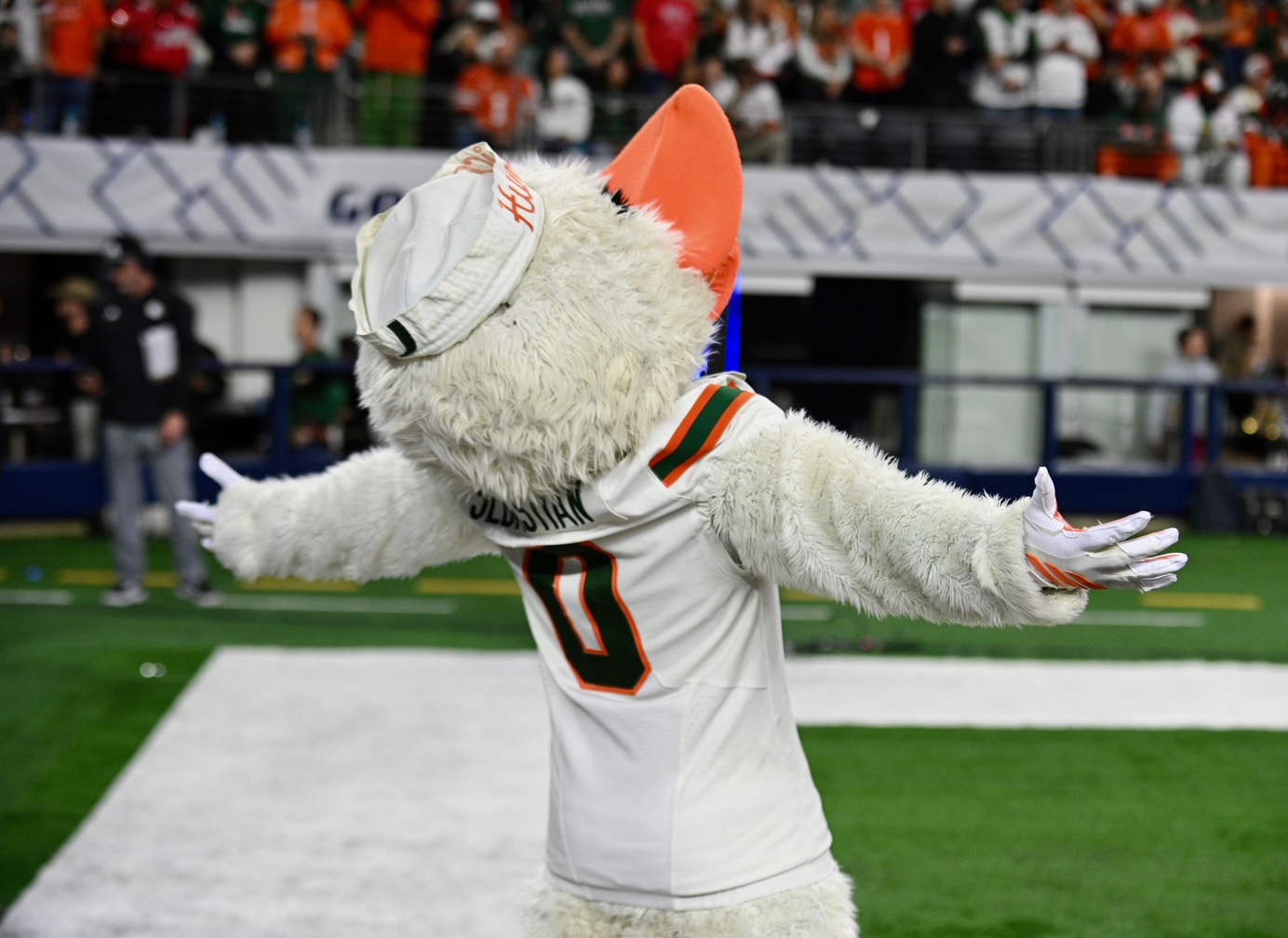

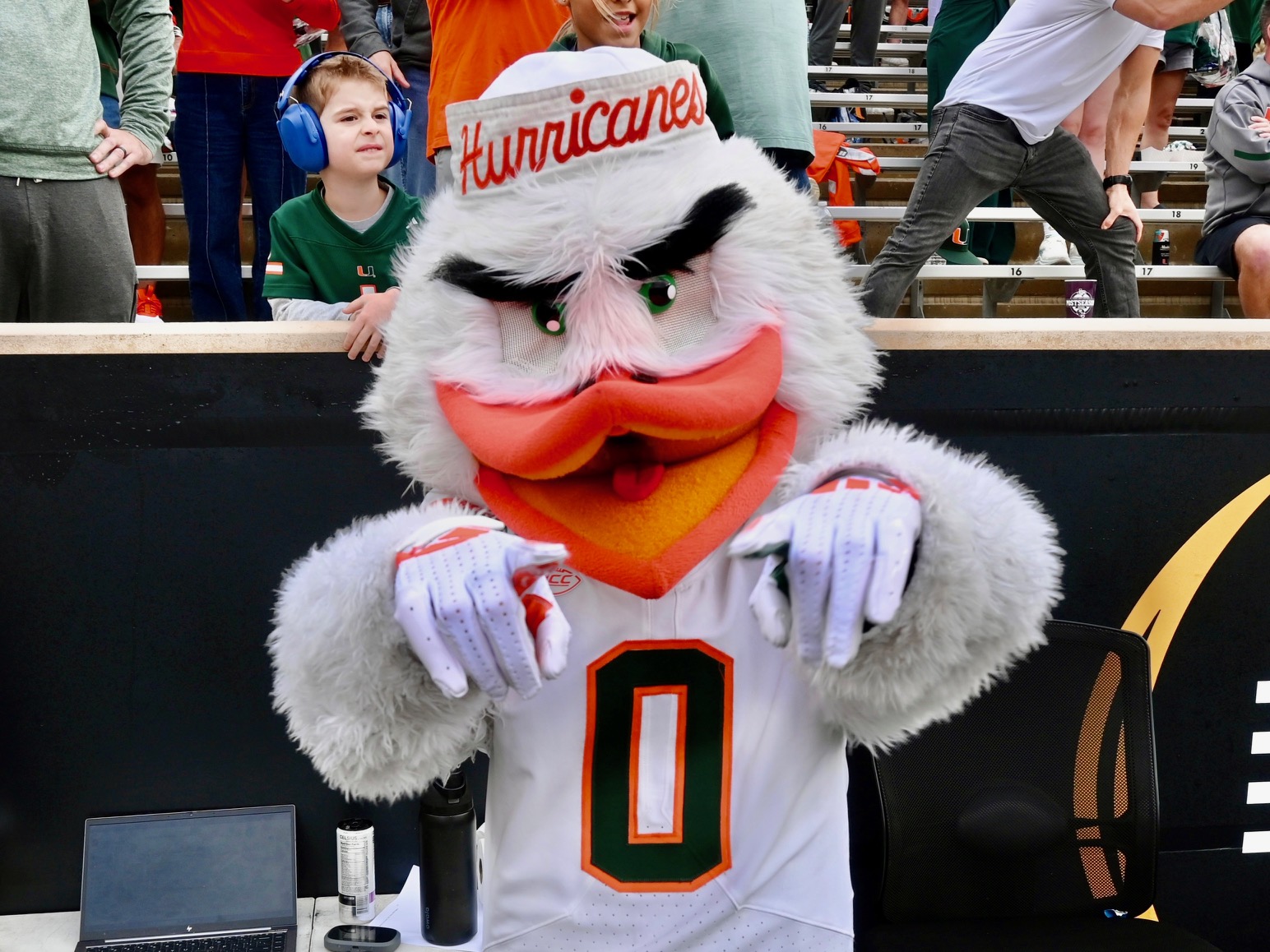
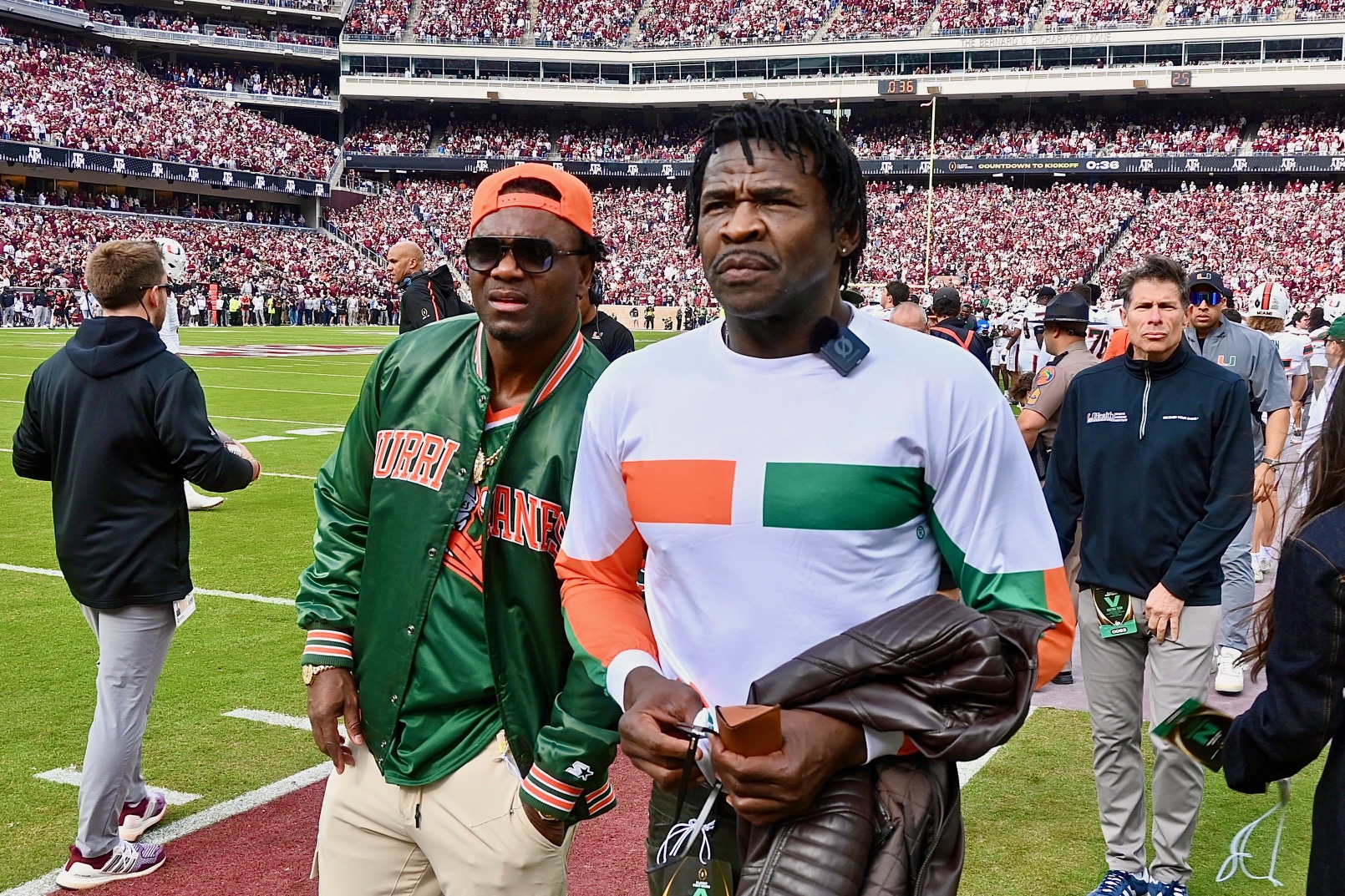
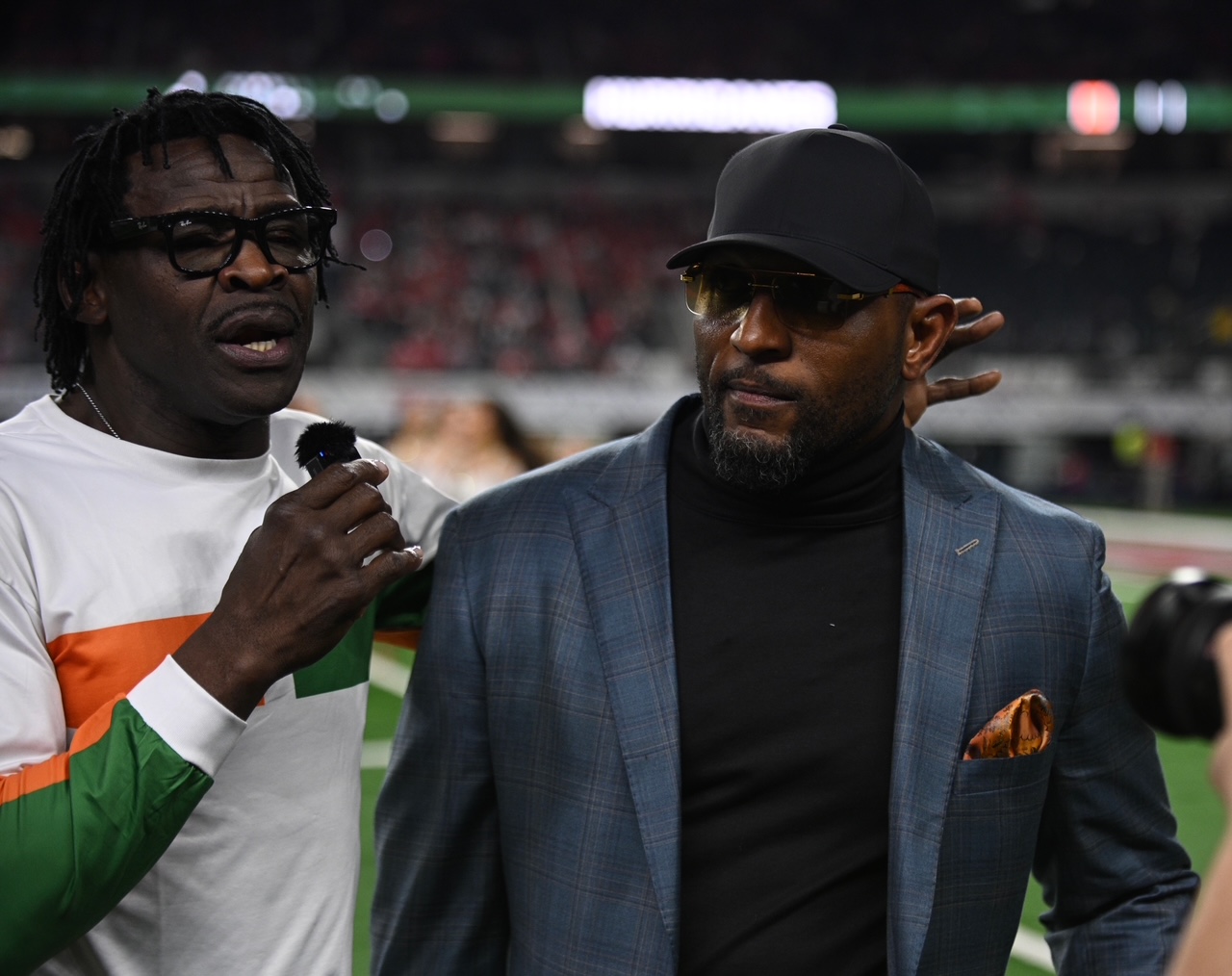
The 2026 College Football Playoff semifinal Vrbo Fiesta Bowl delivered everything a national semifinal is meant to be: tension, momentum swings, star-making moments, and a finish that lingered well after the clock expired. On January 8, 2026, inside State Farm Stadium in Glendale, Arizona, the Miami Hurricanes survived and advanced, defeating the Ole Miss Rebels 31–27 in a game that tested resolve as much as talent.
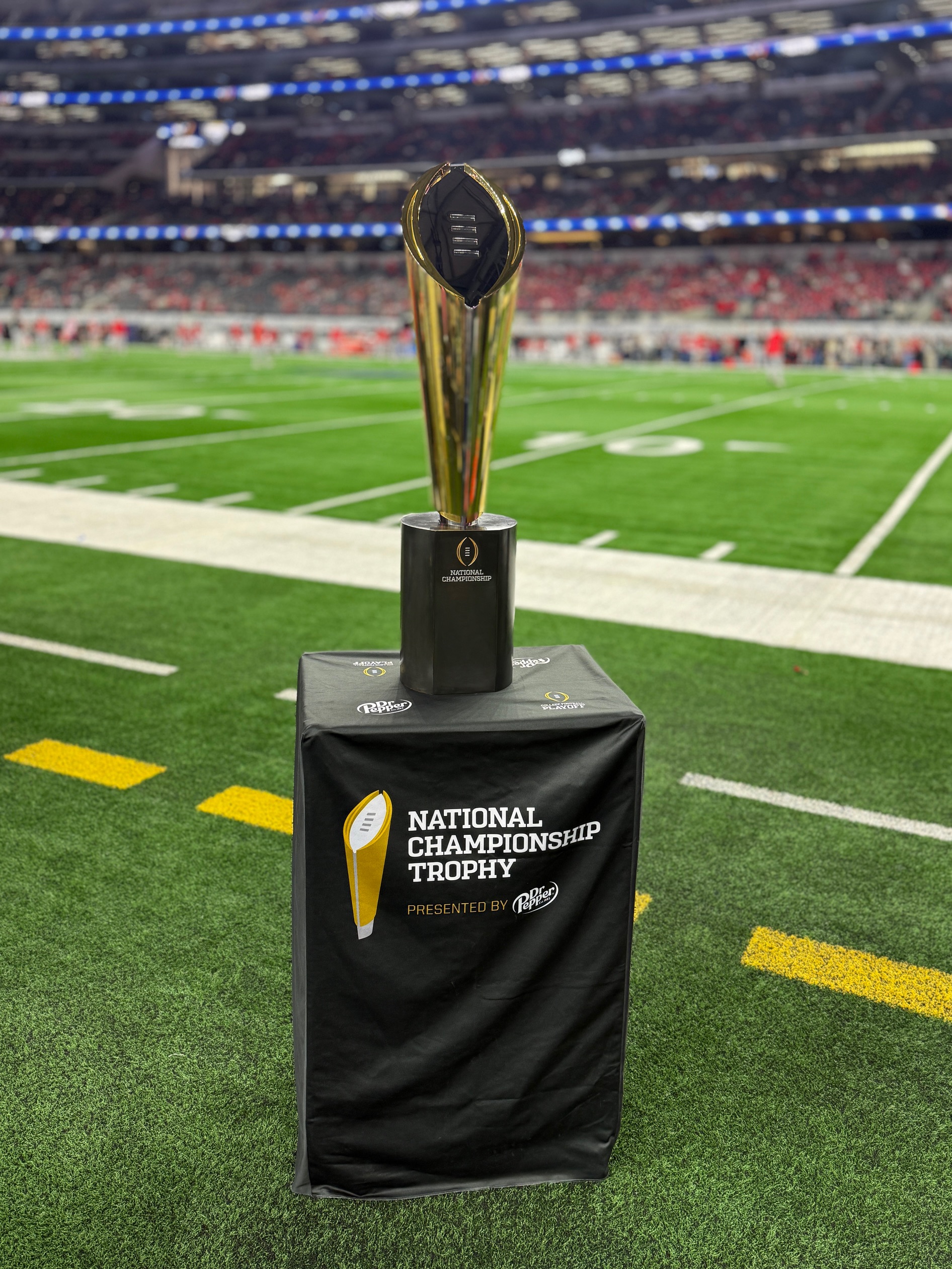
With the victory, Miami earned something both historic and symbolic: a trip to the College Football Playoff National Championship Game, set for January 19 on the Hurricanes’ own home field at Hard Rock Stadium in Miami Gardens, Florida. The road to that moment, however, required navigating one of the most competitive and unpredictable matchups of the postseason.
The Fiesta Bowl matchup represented a collision of styles and narratives. Miami arrived with a season defined by defensive toughness and timely offense, having already established itself as one of the most resilient teams in the playoff field. Ole Miss countered with speed, aggression, and an offense capable of stretching defenses in every direction.
Neutral-site games often present a dull atmosphere, but this one never lacked energy. The crowd was split, loud, and fully invested from kickoff, turning the desert setting into a cauldron worthy of the playoff stage. From the opening possession, it was clear that neither team intended to ease into the night.
Miami struck first, setting an early tone with an efficient opening drive that blended tempo and balance. The Hurricanes moved the ball with confidence, converting early opportunities into points and signaling their intent to play aggressively rather than conservatively.
Ole Miss responded immediately. The Rebels’ offense showcased its explosiveness, answering Miami’s opening score with a drive that highlighted speed on the perimeter and decisiveness in execution. The early exchange foreshadowed a night where momentum would be fleeting and every possession would carry weight.
By the end of the first quarter, the score reflected parity. Both teams had landed punches, and neither defense had found a way to fully dictate terms.
The second quarter belonged to adjustments. Miami’s defense began to tighten, limiting Ole Miss’s explosive plays and forcing longer drives. While the Rebels continued to move the ball, sustaining success became more difficult as Miami closed gaps and pressured decision-making.
Offensively, the Hurricanes leaned into composure. Rather than chasing big plays, Miami focused on efficiency, extending drives and keeping Ole Miss’s offense on the sideline. The approach paid dividends, allowing Miami to build a modest lead heading into halftime. However, the score line did little to suggest comfort. Ole Miss remained dangerous, and the four-point margin felt more like a pause than a separation.
The third quarter unfolded as the Rebels’ best stretch of the game. Ole Miss emerged from halftime with urgency, attacking early and reclaiming momentum with a scoring drive that flipped the scoreboard and reignited belief. For a moment, the Hurricanes faced their stiffest test. Ole Miss’s confidence surged, and the game threatened to tilt. Miami, however, responded with the calm of a team seasoned by adversity.
The Hurricanes answered with a critical drive that steadied the contest. Mixing tempo and physicality, Miami reclaimed the lead and forced Ole Miss back into chase mode. The back-and-forth underscored the narrow margin separating the teams and set the stage for a dramatic final quarter.
The final quarter was defined by urgency on both sides. Miami extended its lead to 31 points with a scoring drive that showcased execution under pressure, but Ole Miss refused to fade. The Rebels answered with a touchdown of their own, cutting the deficit and ensuring that the game would be decided possession by possession.
As the clock wound down, Ole Miss pushed relentlessly, threatening to steal the game in its final moments. Miami’s defense bent but did not break, forcing difficult throws and contested plays. Each stop drew roars from Hurricanes supporters scattered throughout the stadium.
In the final minutes, Miami’s ability to manage the clock proved decisive. The Hurricanes drained precious seconds, limiting Ole Miss’s remaining opportunities. When the Rebels’ last-ditch effort fell short, the scoreboard read 31–27, and Miami’s sideline erupted.
The Fiesta Bowl victory was more than a semifinal win, it was a defining moment for the program. Miami demonstrated balance, resilience, and the ability to close under immense pressure. In a game where momentum shifted repeatedly, the Hurricanes consistently found answers.
Perhaps most significant was the context of what lay ahead. By winning, Miami secured a berth in the national championship game on its own home field, an almost unprecedented convergence of opportunity and pressure. The chance to compete for a title in Miami Gardens adds a layer of meaning that few programs ever experience.
For Ole Miss, the loss was heartbreaking but validating. The Rebels proved they belonged on the playoff stage, pushing Miami to the brink and showcasing the explosiveness that defined their season. Falling four points short in a semifinal did little to diminish the progress of the program, even if the immediate disappointment lingered. Ole Miss exited Glendale having left everything on the field, a fact reflected in the game’s narrow margin and relentless pace.
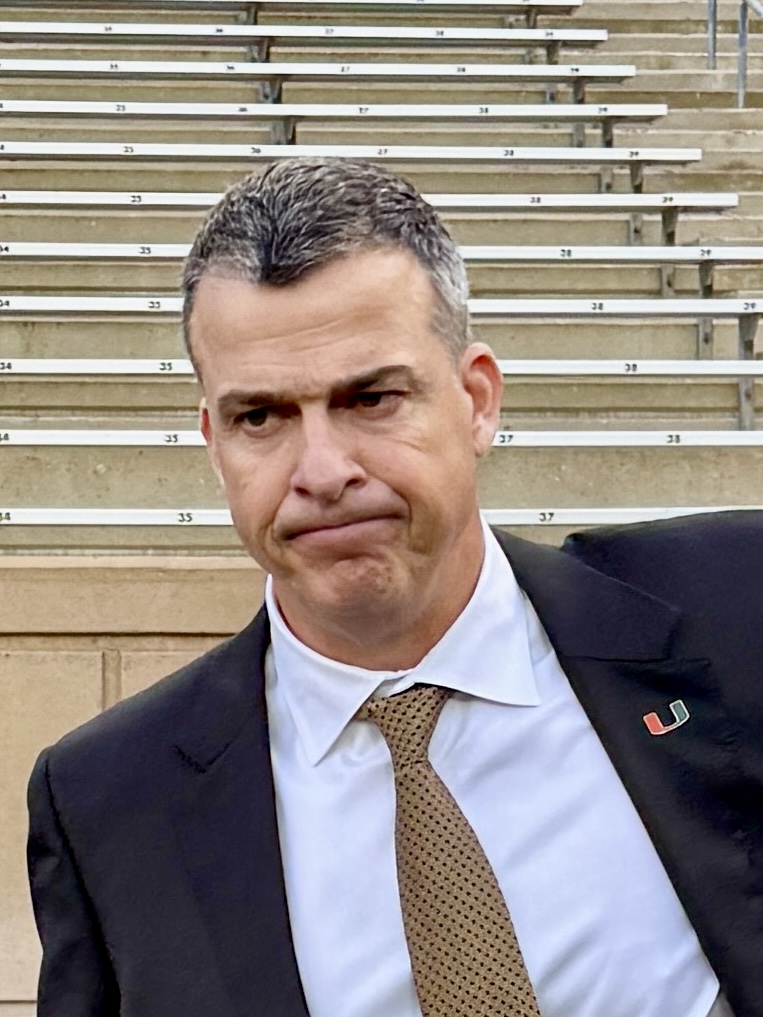
As the Hurricanes left State Farm Stadium, the implications of the win settled in. Miami was heading to the national championship game; not just any championship game, but one to be played on familiar turf, in front of a home crowd, with history waiting.
The 31–27 victory over Ole Miss will be remembered as the night Miami earned that chance. In the desert and under playoff lights, the Hurricanes navigated chaos, embraced pressure, and emerged one win away from a national title with destiny pointing directly back home.
Ahsan Awan has been covering sports for over two decades, and has been covering NCAA football, including various Big Ten, Big 12, ACC, SEC, Mountain West, Pacific-12, and Big Sky conference member institutions, since 2007. Images taken by Andrew Giesemann are ©2025 Andrew Giesemann and have been made available to American Presswire subject to unlimited use under license unless otherwise noted. Editorial use by American Presswire is unrestricted. Images taken by Chris Arjoon are ©2025 Chris Arjoon and have been made available to American Presswire subject to unlimited use under license unless otherwise noted. Editorial use by American Presswire is unrestricted. Chris Arjoon can be found on X as @PicsBrit and on Instagram as @brit__pics. Andrew Giesemann can be found on X as @DrewGiesemann and on Instagram as @useedrew. Ahsan Awan can be found on X as @quackarazzi and on Instagram as @quackarazzi. American Presswire can be found on X as @ampresswire and on Instagram as @ampresswire.