

Rivalry Clash: Ducks Defeat Huskies in Seattle
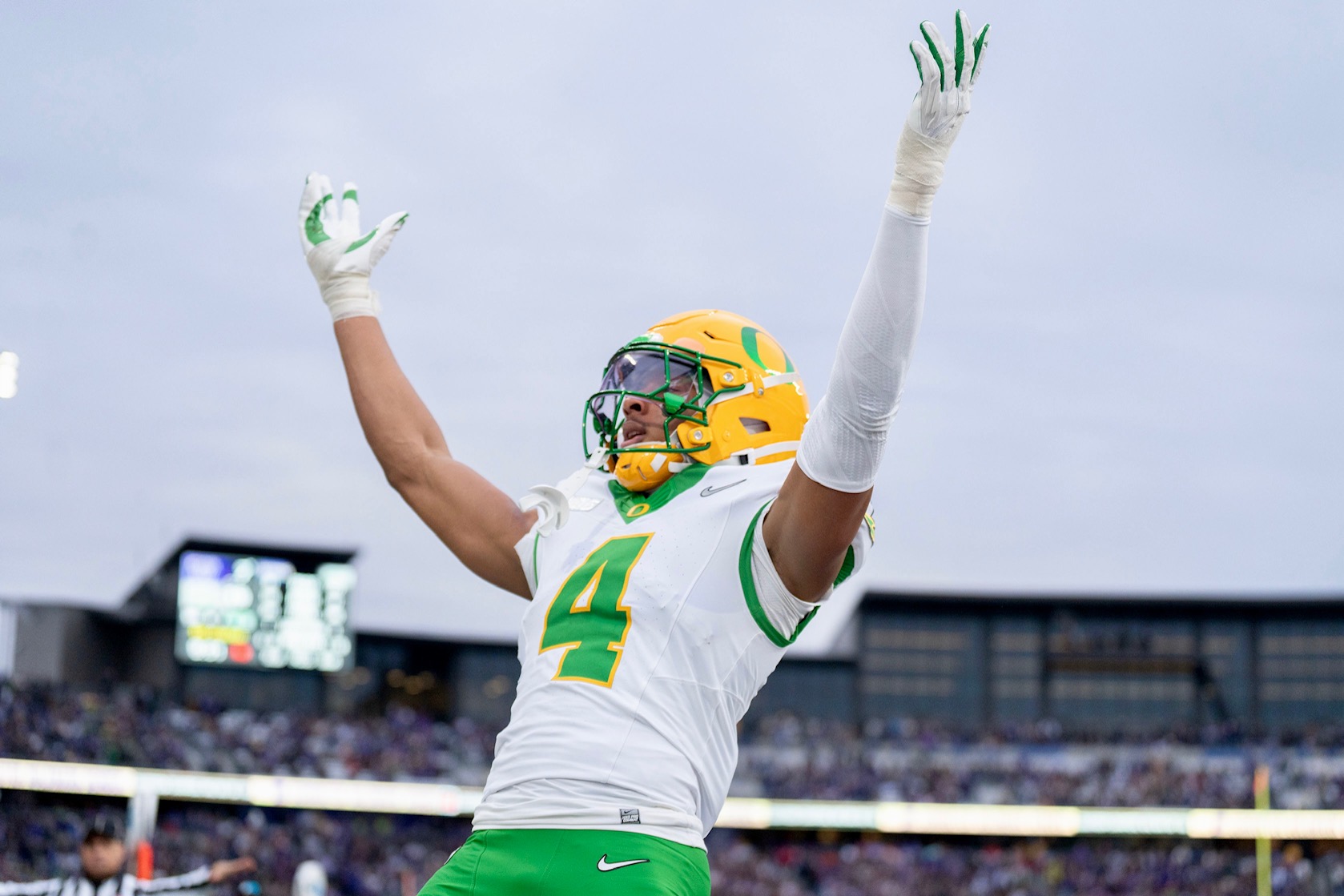
Rivalry games rarely need additional stakes, but on November 29, 2025, the meeting between the Oregon Ducks and the Washington Huskies carried weight that extended well beyond tradition. Under gray skies at Husky Stadium in Seattle, Oregon delivered one of its most composed performances of the season, defeating Washington 26–14 and reasserting control in one of college football’s most emotionally charged series.
The score reflected separation, but the significance ran deeper. Winning in Seattle has never been routine, and doing so late in the season against a Washington team eager to defend its home turf served as both a statement and a checkpoint for an Oregon program with larger ambitions.
The Oregon–Washington rivalry has always been defined by tension, geography, and timing. Often played midway through or late in the regular season, it often functions as a referendum on momentum and identity. In 2025, both teams entered the game with something to prove.
Washington, playing at home, sought to protect Husky Stadium’s reputation as one of the sport’s most difficult venues and to close its season with a defining victory. Oregon arrived with urgency of its own, knowing that late-November games shape postseason narratives perhaps more than any matchup on the calendar.
From the opening kickoff, the environment matched the moment. Husky Stadium pulsed with energy, and the tone suggested a game that would demand discipline as much as talent.
Oregon wasted little time establishing control. Rather than being drawn into the emotion of the rivalry, the Ducks played with restraint, emphasizing field position and efficiency. Early offensive possessions prioritized balance, mixing short passes with deliberate runs to test Washington’s defensive structure.
The Ducks struck first, capitalizing on a sustained drive that demonstrated patience and execution. That opening score mattered not just on the scoreboard, but psychologically as well. It signaled that Oregon intended to dictate tempo rather than react.
Washington responded with intensity, attempting to generate momentum through tempo and crowd energy. The Huskies found success in flashes, but Oregon’s defense absorbed the early surge and limited damage, preventing Washington from fully capitalizing on its home-field advantage.
As the game settled into rhythm, Oregon’s defense emerged as the defining unit. The Ducks applied consistent pressure, forcing Washington into difficult third-down situations and disrupting timing in the passing game. Tackling in space, a critical factor against Washington’s skill players, was crisp and decisive.
The Ducks’ defensive discipline translated into field position, giving the offense shorter fields and additional opportunities to extend the lead. By halftime, Oregon had built a cushion that reflected not dominance, but control. The Huskies remained within reach, but the game was being played on Oregon’s terms.
The third quarter brought Washington’s best stretch of the night. The Huskies opened the half with renewed urgency, stringing together a scoring drive that narrowed the gap and reenergized the crowd. For a moment, the rivalry’s volatility threatened to swing momentum.
Oregon’s response defined the game. Rather than pressing, the Ducks returned to structure. A composed offensive series reclaimed breathing room, while the defense answered Washington’s score with renewed focus. The back-and-forth underscored the thin margin that often defines rivalry games, but Oregon consistently made the more disciplined choice.
Each Washington surge was met with resistance. The Ducks did not allow the game to unravel into chaos, a testament to preparation and maturity.
Entering the final quarter with a 26–14 lead, Oregon shifted into management mode. The offense emphasized clock control, sustaining drives and limiting Washington’s opportunities. While the Ducks did not add to their total, they denied the Huskies the possessions needed to mount a comeback.
Defensively, Oregon closed gaps and refused to yield explosive plays. Washington pressed, but the urgency led to inefficiency rather than breakthroughs. Each incomplete pass and stopped run drained both time and belief.
When the final whistle sounded, the Ducks had secured a 12-point victory that felt definitive, if not overwhelming.
Winning at Husky Stadium is never just another result. For Oregon, the 26–14 victory represented validation of a team capable of handling rivalry intensity without sacrificing identity. The Ducks demonstrated balance, discipline, and the ability to respond under pressure, traits that resonate far beyond one game.
The performance reinforced Oregon’s late-season momentum and strengthened its postseason positioning. More importantly, it showed a team comfortable winning in hostile environments, a prerequisite for success in December and beyond.
For Washington, the loss was a frustrating conclusion to a game that offered moments of promise. The Huskies competed with effort and emotion, but they struggled to sustain success against a disciplined opponent. Missed opportunities and stalled drives proved costly in a rivalry where margins are unforgiving. Still, the game reflected a program capable of challenging elite teams, even if the result fell short.
As the calendar turned toward postseason play, Oregon’s win in Seattle stood as one of the Ducks’ most complete efforts of the season. It was not defined by explosive highlights or dramatic swings, but by control. Oregon had control of tempo, of emotion, and of outcome. Oregon claimed the rivalry with authority. The Ducks left Husky Stadium not just with a victory, but with momentum that carried meaning well beyond Seattle.
Ahsan Awan has been covering sports for over two decades, and has been covering NCAA football, including various Big Ten, Big 12, ACC, SEC, Mountain West, Pacific-12, and Big Sky conference member institutions, since 2007. Images taken by Ahsan Awan are ©2025 Ahsan Awan. Images taken by Davonn Abaga are ©2025 Davonn Abaga and have been made available to American Presswire subject to unlimited use under license unless otherwise noted. Editorial use by American Presswire is unrestricted. Ahsan Awan can be found on X as @quackarazzi and on Instagram as @quackarazzi. Davonn Abaga can be found on Instagram as @devos.media. American Presswire can be found on X as @ampresswire and on Instagram as @ampresswire.


Becoming Bay: Identity and Evolution in the NWSL
As 2026 begins, Bay FC enters the next phase carrying both the promise of its launch and the reality of what sustained success in the National Women’s Soccer League demands. As one of the league’s newest clubs, Bay FC was never going to be defined by instant dominance. Instead, its early seasons have been about foundation, and that requires establishing culture, building infrastructure, and learning, sometimes painfully, what it takes to compete week after week in the most demanding women’s league in the world.
As the club looks ahead, the question is no longer whether Bay FC belongs in the NWSL. Instead, it has become how quickly the club can transition from a compelling new presence into a consistent playoff contender.
Expansion teams often arrive carrying outsized expectations, particularly in markets with deep soccer roots and high-profile investors. Bay FC was no exception. From its inception, the club positioned itself as a long-term project rather than a short-term gamble, emphasizing sustainability, player support, and community engagement alongside on-field performance.
That approach was evident in Bay FC’s early roster construction. Rather than chasing marquee names for immediate attention, the club focused on assembling a balanced squad that mixed experienced NWSL players with younger talent capable of growing into larger roles. The result was a team that competed with intensity and discipline, even as inconsistency and learning curves inevitably surfaced.
Those early seasons revealed both strengths and shortcomings. Defensively, Bay FC often showed organization and commitment, making matches competitive even against established powers. Offensively, however, chance creation and finishing were areas that required further development. Like many first-year and second-year teams, Bay FC learned that structure alone is rarely enough in a league defined by fine margins.
As Bay FC continues to mature, roster evolution has become central to its next step forward. The transition from simply being competitive to actively chasing playoff spots requires targeted upgrades, not wholesale change. That philosophy has guided the club’s approach to player movement, emphasizing continuity while addressing specific needs.
Additions to the squad have focused on increasing attacking versatility and midfield control. Bay FC has sought players who can break lines, create off the dribble, and relieve pressure in tight spaces. The club has focused on loading up on talent that has the skills that are essential in the NWSL’s increasingly tactical environment. At the same time, the club has been careful to retain core contributors who understand the team’s principles and expectations.
Equally important has been the club’s commitment to player development. Younger players have been given meaningful minutes rather than sheltered roles, reflecting confidence in the long-term payoff of experience gained through adversity. In a league where parity is relentless and roster depth is constantly tested, that developmental emphasis could prove decisive over time.
One of Bay FC’s most significant advantages lies in its organizational clarity. From ownership through technical staff, the club has articulated a consistent vision centered on professionalism, accountability, and growth. That clarity has helped stabilize expectations and allowed players to focus on performance rather than uncertainty.
Coaching continuity has played a critical role in this process. While tactical adjustments have been made in response to league opponents, the broader identity, one built on disciplined defending, structured buildup, and collective effort, has remained intact. For a young club, that consistency is invaluable. It fosters trust, accelerates learning, and reduces the volatility that often undermines expansion teams.
That said, continuity does not imply stagnation. Bay FC’s coaching staff has shown a willingness to adapt, experimenting with formations and personnel to better suit the evolving roster. The challenge moving forward will be maintaining that balance between stability and innovation as expectations rise.
The NWSL is deeper than it has ever been, with established contenders, ambitious mid-table teams, and new entrants all pushing standards higher. For Bay FC, this environment presents both obstacles and opportunity. There are no easy matches, but there are also no insurmountable gaps.
Bay FC’s task is to turn narrow losses and hard-fought draws into points. That shift often comes not from dramatic change, but from refinement. That means improved decision-making in the final third, better game management late in matches, and increased confidence under pressure. These are the details that separate playoff teams from those just outside the line.
The club’s home atmosphere and community connection may also become competitive advantages. Playing in front of a growing, engaged fan base provides energy and identity, reinforcing the sense that Bay FC is building something durable rather than transient.
While playoff qualification is a natural benchmark, Bay FC’s leadership has consistently framed success in broader terms. Player health, professional standards, and long-term competitiveness remain central metrics alongside wins and losses. This perspective reflects an understanding that sustainable success in the NWSL requires patience as well as ambition.
That does not mean expectations are low. On the contrary, the club’s internal standards suggest an organization preparing to raise its ceiling. The groundwork laid in the early years through roster planning, cultural investment, and strategic restraint, has positioned Bay FC to accelerate rather than plateau.
Bay FC’s story is still being written. As the club moves from its formative seasons into a more established phase, the focus will sharpen. Growth will be measured not just in progress, but in outcomes. The leap from promising newcomer to playoff contender is one of the hardest in professional sports, particularly in a league as unforgiving as the NWSL.
Yet Bay FC appears equipped for that challenge. With a clear identity, a thoughtful approach to roster building, and a commitment to long-term vision over short-term noise, the club has positioned itself to become a fixture rather than a novelty.
In a league defined by evolution and competition, Bay FC is doing the work of becoming. The next chapters will determine how quickly that work translates into sustained success, but the foundation suggests a future built not on haste, but on intention.
Ahsan Awan has been covering sports for over two decades and has been covering professional soccer since 2014. All images taken by Ahsan Awan for American Presswire and ©2025 Ahsan Awan for American Presswire, subject to unlimited use under license unless otherwise noted. Ahsan Awan can be found on X as @quackarazzi, on Instagram as @quackarazzi, and on Bluesky as @quackarazzi.bsky.social. American Presswire can be found on X as @ampresswire, on Instagram as @ampresswire, and on Bluesky as @apw.bsky.social.

Winds of Change: Roster, Relevance, Owner Flux Challenges Quakes in 2026
The San Jose Earthquakes enter the 2026 Major League Soccer season facing a familiar but increasingly urgent challenge: how to translate history, market potential, and incremental progress into sustained competitiveness. One of MLS’s original clubs, the Earthquakes carry both the weight of legacy and the frustration of recent seasons spent on the margins of the playoff race. As the calendar turns from 2025 to 2026, the organization finds itself in a period of transition defined by roster turnover, uncertainty at the ownership level, and cautious optimism that the pieces may finally be aligning for a return to postseason relevance.
While the Earthquakes have not lacked ambition, the gap between intent and results has been persistent. The 2026 season is shaping up as a proving ground not only for the players and coaching staff, but for the broader direction of the club itself.
The most visible sign of change heading into 2026 is the reshaped roster. San Jose’s 2025 campaign was marked by inconsistency, particularly in defensive organization and chance creation. While there were flashes of attacking promise, the inability to control matches for extended periods ultimately undermined playoff aspirations.
In response, the front office approached the offseason with a clear mandate: re-balance the squad. That effort has meant difficult decisions, including the departure of several veteran contributors whose contracts expired or were moved to create cap flexibility. While those players provided leadership and continuity, the club recognized that incremental tweaks would not be enough to alter its trajectory.
Incoming additions for 2026 reflect a shift in profile and philosophy. San Jose has prioritized younger, more mobile players capable of executing a higher-tempo style while also seeking targeted experience in key positions, particularly central defense and central midfield. The goal is not simply to refresh the roster, but to modernize it in a league that increasingly rewards athleticism, tactical flexibility, and depth.
The Earthquakes have also doubled down on internal development. Homegrown players and recent draft picks are expected to feature more prominently, signaling renewed confidence in the club’s developmental pipeline. For a team operating in one of the most competitive and expensive markets in the league, maximizing academy and domestic talent is not just strategic, it is essential.
However, roster changes alone do not define a team’s evolution. The Earthquakes’ progress toward playoff contention will depend heavily on how effectively those pieces are integrated on the field. Over recent seasons, San Jose has oscillated between styles, at times pressing aggressively and at others retreating into a more conservative shape. The lack of a consistent identity has often left the team vulnerable, particularly against disciplined opponents.
Heading into 2026, there is a renewed emphasis on clarity. The coaching staff has signaled a commitment to a system that balances controlled possession with quick vertical transitions. The aim is to reduce defensive exposure while allowing attacking players the freedom to exploit space rather than forcing low-percentage chances.
Continuity on the sidelines offers a chance for that vision to take hold. MLS history is filled with examples of teams that stagnated under constant turnover, and San Jose appears intent on avoiding that trap. With a clearer tactical framework and a roster better suited to execute it, the Earthquakes hope to close the gap between competitive performances and tangible results.
Perhaps the most consequential question surrounding the Earthquakes has nothing to do with tactics or personnel. The ongoing search for a new team owner looms large over the club’s future, shaping both perception and practical reality.
Ownership uncertainty has long been a complicating factor in San Jose’s ability to compete consistently within MLS. While the club has maintained operational stability, limitations in investment have often placed it at a disadvantage relative to more aggressively funded rivals. In a league where spending on designated players, infrastructure, and analytics increasingly separates contenders from also-rans, that gap has been difficult to ignore.
The hope among supporters and league observers is that new ownership could bring not only financial resources but also a renewed sense of ambition. San Jose remains an underleveraged market, situated in the heart of Northern California with access to a diverse fan base and corporate ecosystem. A committed ownership group could transform the Earthquakes’ ceiling, enabling investment in roster depth, training facilities, and long-term strategic planning.
At the same time, the transition carries risk. Ownership changes can disrupt continuity, alter priorities, and introduce uncertainty for players and staff. The challenge for the club in 2026 will be maintaining focus on the field while navigating developments off it. The complexity is not to be taken lightly. This is a balancing act that will test leadership at every level of the organization.
For the Earthquakes, the bar in 2026 is not abstract ambition but concrete improvement: becoming playoff eligible. In MLS, parity is both a blessing and a challenge. Small gains can yield significant jumps in the standings, but sustained mediocrity can just as easily keep a team trapped in the middle or bottom of the table.
San Jose’s path to the postseason depends on a handful of critical factors. Defensive consistency must improve, particularly in road matches where points have been historically hard to come by. The midfield must provide both stability and creativity, allowing the team to dictate games rather than react to them. On the attack, efficiency will be paramount. Promising buildup must turn into goals rather than squandered opportunities.
Equally important is mentality. Playoff teams are often distinguished not by overwhelming talent, but by resilience and belief. Late goals conceded, dropped points from winning positions, and extended winless runs have plagued San Jose in recent seasons. Addressing those patterns requires more than tactical tweaks, it demands a cultural shift toward expectation rather than hope.
As the 2026 season approaches, the San Jose Earthquakes stand at a defining moment. The roster changes from 2025 signal a willingness to confront hard truths. The ongoing search for new ownership underscores the need for structural evolution. And the stated goal of playoff eligibility provides a clear benchmark by which progress will be measured.
For supporters, the coming year offers cautious optimism tempered by realism. The Earthquakes are not promising instant transformation, but they are laying groundwork on and off the field in pursuit of a more competitive future. Whether that foundation is strong enough to carry the club back into the postseason in 2026 remains to be seen.
What is certain is that this coming season will matter a lot. In a league that rewards momentum and punishes stagnation, the Earthquakes have an opportunity to redefine their narrative. If roster evolution, tactical clarity, and organizational direction align, San Jose could finally begin the long climb from perennial outsider to playoff participant, or perhaps something more.
Ahsan Awan has been covering sports for over two decades, and has been covering professional soccer, including MLS and the San Jose Earthquakes, since 2014. All images taken by Ahsan Awan and Rouse for American Presswire and ©2025 Ahsan Awan and John Rouse, separately, for their respective contributions, to and for American Presswire, subject to unlimited use under license unless otherwise noted. Ahsan Awan can be found on X as @quackarazzi and on Instagram as @quackarazzi. American Presswire can be found on X as @ampresswire, on Instagram as @ampresswire, and on Bluesky as @apw.bsky.social.

Pitch and Pivot: USWNT at the crossroads
The United States Women’s National Team enters 2026 standing at a familiar yet challenging crossroads. Long regarded as the gold standard of women’s international soccer, the USWNT is simultaneously defending its legacy and redefining itself in a global game that has never been deeper, faster, or more tactically complex. The past year has been one of transition, evaluation, and recalibration, and the opening months of 2026, beginning with matches in Los Angeles and Santa Barbara, will provide early clues as to how successfully the team is shaping its next era.
Under Head Coach Emma Hayes, the program continues to move deliberately away from reliance on historic dominance and toward a more adaptable, modern identity. That evolution has been visible in the team’s most recent matches played on U.S. soil, where promising performances have been paired with moments that underscore how narrow the margin for error has become at the international level.
The USWNT closed its most recent domestic run with a pair of international friendlies against Italy, a European side opponent that exemplifies the growing tactical sophistication across the women’s game. These matches, played in Florida, served both as competitive tests and as laboratories for Hayes to assess player combinations and strategic balance.
In the first match, held in Orlando, the United States delivered one of its most complete performances of 2025, earning a 3-0 victory. The USA controlled possession, dictated tempo, and converted chances with confidence. Catarina Macario led the way with two goals, showcasing her clinical finishing and playmaking ability, while Olivia Moultrie’s early strike set the tone. Beyond the score line, the match demonstrated the USWNT’s ability to break down a disciplined European defense through patience rather than sheer physicality.
The second match of the series, played in Fort Lauderdale, ended in a 2-0 win and reinforced the sense of progress. While less explosive, the performance highlighted improved defensive organization and composure in midfield. The team’s ability to manage the game, rather than chase it, reflected a growing maturity that Hayes has emphasized since taking the helm.
Those wins followed a more mixed October window, during which the USWNT experienced both frustration and resurgence. A 2-1 loss to Portugal served as a reminder that even historically dominant programs can be punished for lapses in concentration. The USA responded emphatically in subsequent matches, including a commanding win over New Zealand, reasserting their attacking potential and depth.
Taken together, the recent home matches painted a clear picture: the USWNT remains a formidable force, but one that is learning to win in new ways. The days of overwhelming opponents through athletic superiority alone are fading, replaced by an emphasis on tactical flexibility, technical precision, and collective intelligence.
As 2026 begins, the state of the USWNT can best be described as transitional rather than rebuilding. Unlike past cycles that required wholesale changes following retirements, this phase has focused on integrating new contributors alongside established leaders.
Veteran players such as Rose Lavelle and Catarina Macario continue to anchor the squad, providing creativity, composure, and experience. At the same time, younger players have been entrusted with meaningful roles, signaling confidence in the next generation. Hayes has been unapologetic about experimentation, rotating lineups and formations even in high-profile matches, with the long-term goal of building a roster capable of adapting to varied opponents and tournament conditions.
Tactically, the team has moved toward a more possession-oriented approach while retaining its trademark intensity in pressing and transition moments. The emphasis is on balance, knowing when to dominate the ball, and knowing when to exploit space quickly. Defensively, there has been a renewed focus on structure and discipline, particularly against opponents who thrive on quick counters and technical buildup.
Perhaps most importantly, the program has embraced a cultural shift. Leadership is no longer concentrated in a handful of iconic figures; instead, responsibility is being shared across the roster. This evolution reflects both necessity and opportunity as the team prepares for the next major cycle of international competitions.
The USWNT’s first matches of 2026 will take place in Southern California. These games are more than preseason warm-ups; they represent the opening chapter of a year that will shape the program’s immediate future.
On January 24, the USWNT will face Paraguay at Dignity Health Sports Park in Carson. The venue is synonymous with the USWNT, having hosted more matches than any other stadium in the world. Paraguay offers a contrasting style rooted in South American technical play and defensive compactness, providing an early test of the USA’s ability to unlock organized opponents.
The match will also carry emotional significance, as it includes a celebration honoring Christen Press, a Los Angeles native and longtime USWNT standout. Her recognition serves as a bridge between eras, acknowledging the legacy that built the program while underscoring its continued evolution.
Three days later, on January 27, the USWNT travels north to Harder Stadium in Santa Barbara to face Chile. This match marks the first time the women’s national team will play an international fixture on California’s Central Coast, expanding the team’s geographic footprint and bringing elite women’s soccer to a new community. Chile presents another competitive challenge, one that will likely demand patience and tactical discipline from the Americans as they seek to build on lessons learned earlier in the camp.
The significance of these January matches extends beyond their immediate results. They provide critical opportunities for players to establish roles, for coaching staff to refine strategies, and for the team as a whole to build cohesion ahead of more consequential competitions later in the year, including regional championships and qualification campaigns.
In a global environment where parity continues to increase, every international window matters. Friendlies are no longer mere exhibitions; they are essential steps in preparation and identity formation. For the USWNT, the challenge in 2026 is not simply to win, but to demonstrate that the program’s evolution is producing a team capable of thriving against the best in the world.
As the USA takes the field in Los Angeles and Santa Barbara, the message is clear: the next chapter of the USWNT is underway. Rooted in a storied past but focused firmly on the future, the team enters 2026 determined to prove that adaptation, not nostalgia, will define its continued success.
Ahsan Awan has been covering sports for over two decades and has been covering US Soccer and the US national team squads since 2014. Images taken by Juan Carlos Ruiz for American Presswire and ©2025 American Presswire. Editorial use by American Presswire is unrestricted. Ahsan Awan can be found on X as @quackarazzi and on Instagram as @quackarazzi. American Presswire can be found on X as @ampresswire and on Instagram as @ampresswire.
Royal Farewell: A’s Close Out 2025 Season vs Royals
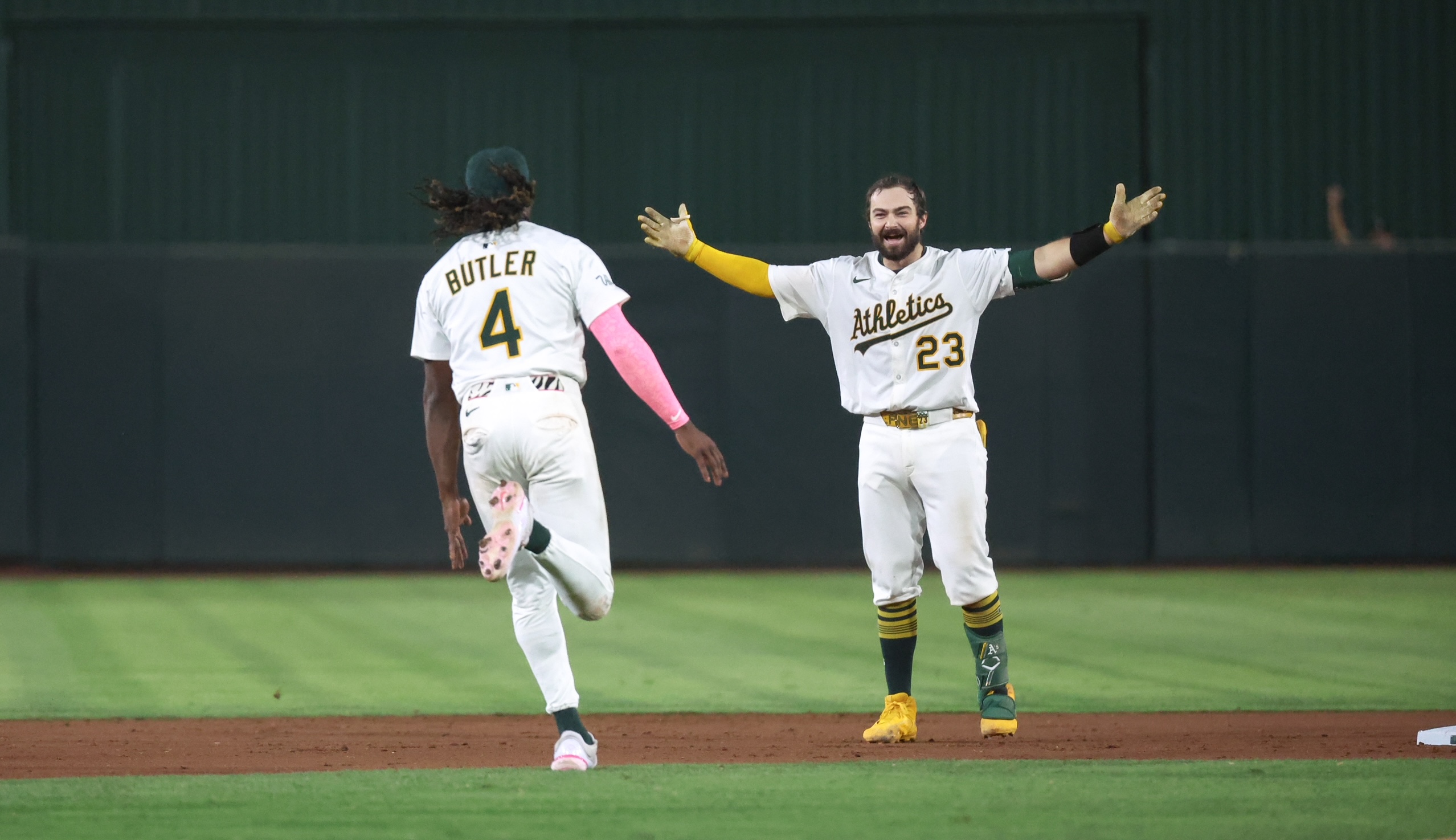
In their final series of the season, the A’s faced the Kansas City Royals from September 26 to 28, 2025. While the A’s came in hoping to finish strong, Kansas City delivered a commanding final game, denying the A’s a sweep. The series was a microcosm of a season of highs and lows: one walk off, some offensive bursts, and a finale where the Royals flexed as the home side closed out.
The season’s penultimate series opener went down to the wire, with the A’s eking out a 4-3 walk off win. The game was tight throughout, as neither team could dig out a comfortable lead. In the bottom of the ninth, Shea Langeliers came through with a tiebreaking double, sending the crowd into a frenzy and giving the A’s a crucial early edge in the final homestand. The bullpen held earlier leads, and the A’s secured the narrow finish as the season headed toward the end.
Buoyed by the momentum of Game 1, the A’s fought hard in Game 2 but failed to clinch the series before the finale. The A’s offense again found timely swings and stayed close throughout the game but were unable to close the gap as they fell 4-2.
In the final game, the Royals roared back with a decisive 9-2 victory to spoil the A’s hope for a season-ending win. The Royals powered multiple home runs. Mike Yastrzemski accounted for two solo blasts, and their attack overwhelmed the A’s. Backed by a sharp outing by Cole Ragans, who struck out eight in just over four innings, the Royals were focused and determined. While the A’s managed to hit a few long balls of their own, the deficit proved too large. The result gave Kansas City momentum to close their year on a high note and handed the A’s a sobering end to their first season in West Sacramento.
Sutter Health Park, home to the season’s last chapter in West Sacramento, brimmed with emotional energy. Fans cheered the walk off, held their breath in tight innings, and braced for the final out. The finale’s lopsided result could not erase the moments of late-season drama. Langeliers’s heroics and the aggressive swings from the visiting lineup were memories that outlasted the scoreboard. The walk off win in Game 1 proved the A’s can fight and they can deliver in clutch moments. They’re clearly capable of beating any team in the league, but this series offered both affirmation and caution. They proved capable of fighting until the last swing, but also exposed vulnerabilities when opponents got hot. As the organization transitions toward next year, the young core showed flashes. Langeliers, Cortes, and Rooker prove the foundation remains sound. Soderstrom, Wison and Kurtz are all outstanding and yet they still have tremendous potential upside. The A’s leave the field knowing they collected heroic moments, closed a season with fight, but also encountered the kind of unfinished business that fuels the next chapter. On to 2026.
Ahsan Awan has been covering sports for two decades and has been covering professional baseball since 2005. All images taken by Robert Longan and Jason Reed for American Presswire and ©2025 Robert Longan and Jason Reed for their specific unique images for American Presswire and subject to unlimited use under license unless otherwise noted. Robert Longan can be found on X as @robbielphoto and on Instagram as @lngn_media. Jason reed can be found on X as @fieldofdd and on Instagram as @fieldofdaydreams. Ahsan Awan can be found on X as @quackarazzi and on Instagram as @quackarazzi. American Presswire can be found on X as @ampresswire and on Instagram as @ampresswire.
A’s Spoil Astros’ Playoff Push
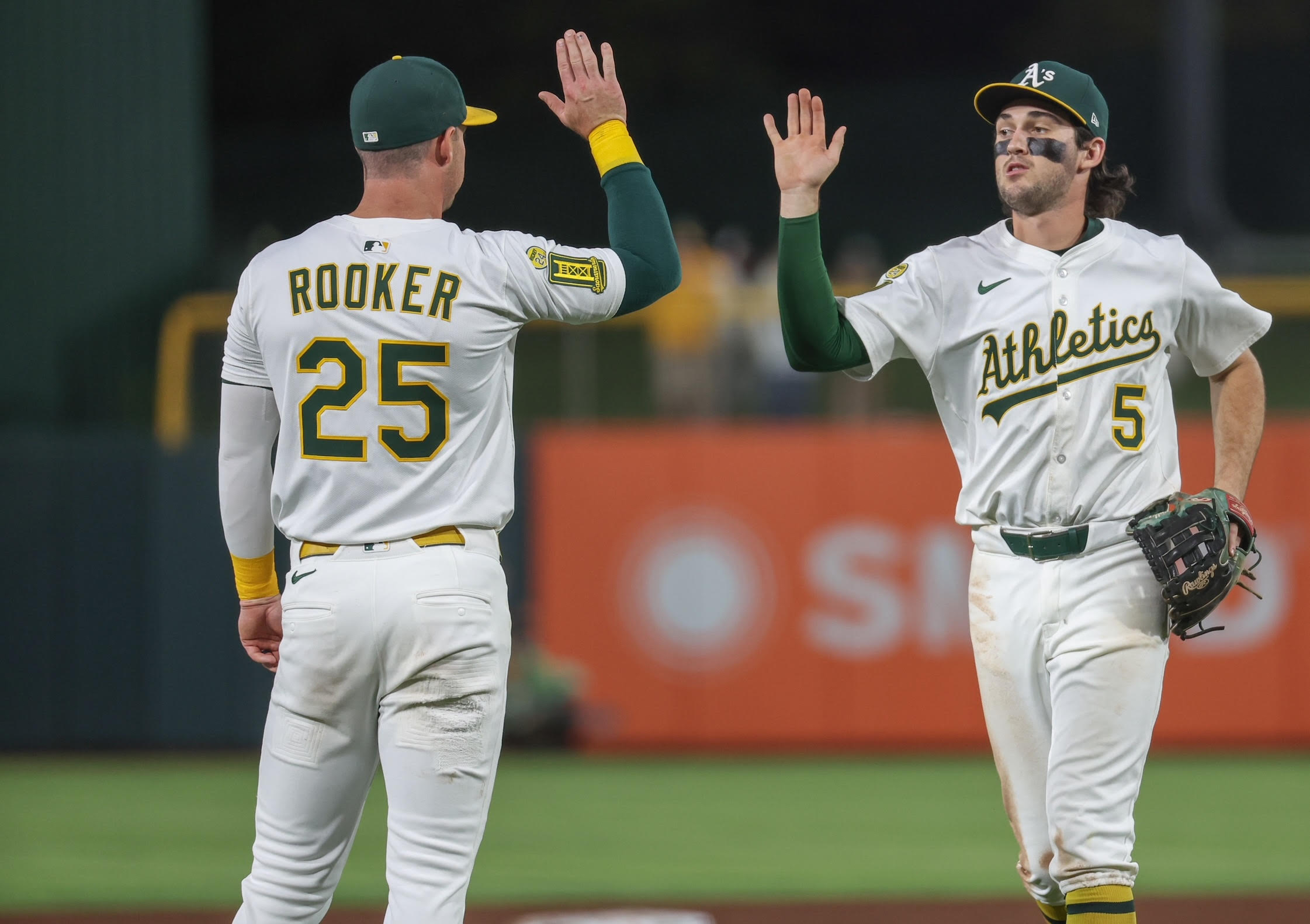
As the red-hot postseason chase began its final week of winddown =, the A’s and the Houston Astros faced off from September 23 to 25, 2025, in a three-game series at Sutter Health Park. What emerged was a tale of dominance, desperation, and salvage. The A’s took the first two games 5-1 and 6-0 before the Astros struck back 11-5 in the finale. For the A’s, the sweep threat and momentum were real; for Houston, the loss in the opener and middle game left them scrambling, their post-season hopes possibly dashed.
The opener was the A’s statement. Jeffrey Springs turned in a strong outing, holding Houston to one run over several innings, while the A’s offense capitalized early and often. Key hits from the heart of the order including bat-to-ball connections by Lawrence Butler, Brent Rooker, and a clutch RBI double on the board as well, put the pressure on the Astros. Houston mustered just three hits over the final six innings, unable to string anything together after a shaky start. The victory dropped Houston further behind in the wild-card race, while the A’s fed off the crowd’s energy and defensive steadiness.
In Game 2, the green and yellow elevated the intensity. The A’s pitching staff combined to blank the Astros, shutting them out while the bats chipped in with timely offense. An early run and a multi-run fifth inning set the stage as relievers locked in. Two solo home runs and strong situational hitting added insurance, letting the A’s breeze through the later frames. The win put them on the brink of a sweep and heightened both the naysaying silence around Houston’s postseason prospects and the buzz among A’s faithful.
With their backs against the wall, the Astros came out swinging in the finale. Framber Valdez made what might be his final regular-season start look vintage: seven strong innings, ten strikeouts and just one earned run allowed. Behind him, Houston’s offense erupted. Jose Altuve, Isaac Paredes, Victor Caratini and others pushed across runs early and often. The A’s battled back late with home runs from Nick Kurtz and others, but those bursts couldn’t overcome the early hole. The 11-5 Astros victory succeeded in keeping a thread of hope alive in their wild-card chase, but the missed opportunity of the first two games loomed large.
The A’s played the spoiler to near perfection. By taking the first two games, they dealt a serious blow to Houston’s playoff picture even though the Astros avoided a sweep with the finale win. Springs’ strong outing and the bullpen’s shutout performance in Game 2 showed what the A’s can do with steady arms. The A’s threaded together timely hits and capitalized on Houston’s mistakes. They drove in runs in key innings, and kept the pressure consistent. Even in Game 3, though outgunned, they showed fight.
Meanwhile, Valdez’s vintage start in Game 3 reminded fans exactly why Houston has leaned on him in big moments. The loss of Games 1 and 2 cost the Astros critical ground. The Game 3 rebound was valuable, but the playoff math might already be tilting away unless they get some help and a few things go their way. Desperation certainly played a part.
Sutter Health Park felt like a playoff venue these three nights. The stands were alive, with fans riding every pitch, every big swing, every strikeout. The evening air, the lights, and of course the stakes all combined for baseball theater. In Game 2, the quiet after a dominant performance by the A’s was almost as loud as the cheers. By Game 3, despite the loss, the energy held as the A’s fought relentlessly while Houston attempted to regroup under pressure.
For the A’s, the series was a strong punch in the final stretch. They picked up wins against a team still fighting, demonstrated that their young core can deliver under pressure, and showed potential momentum going into the season’s closing weeks. For Houston, the task remained steep: even with Game 3 in the win column, the margin for error shrank, and the deficit extended. Unless they can flip the switch immediately in their next series, a postseason berth may slip away.
Three games. Eleven runs conceded in Game 3. Shutouts and clutch swings in Games 1 and 2. The series captures everything that’s electrifying about baseball in September: redemption, heartbreak, and the razor’s edge between playoff dreams and reality. The A’s left West Sacramento knowing they had made a mark this weekend, and Houston left wondering if they’d left too much behind.
Next up for the A’s, the final home series of the season: the Kansas City Royals. The First pitch is scheduled for 7:05 PM PST on September 26.
Ahsan Awan has been covering sports for two decades and has been covering professional baseball since 2005. All images taken by Robert Longan and Jason Reed for American Presswire and ©2025 Robert Longan and Jason Reed for their specific unique images for American Presswire and subject to unlimited use under license unless otherwise noted. Robert Longan can be found on X as @robbielphoto and on Instagram as @lngn_media. Jason reed can be found on X as @fieldofdd and on Instagram as @fieldofdaydreams. Ahsan Awan can be found on X as @quackarazzi and on Instagram as @quackarazzi. American Presswire can be found on X as @ampresswire and on Instagram as @ampresswire.
Brooms Up! A’s Sweep Reds in West Sac
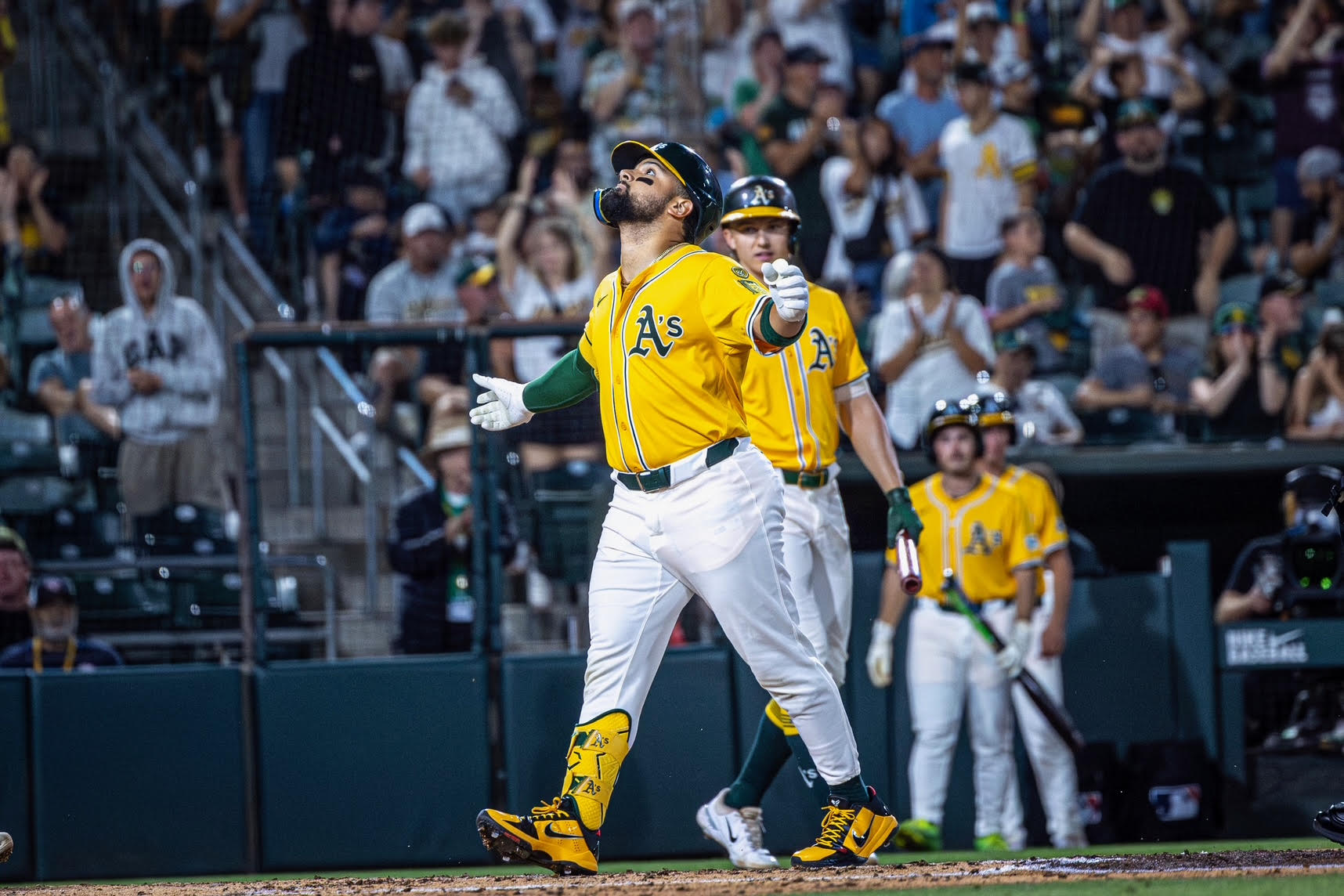
Over a three-game stretch from September 12 through 14, 2025, A’s staged a timely burst of offense and bullpen reliability to sweep the Cincinnati Reds at Sutter Health Park, taking games 3–0, 11–5 and 7–4. The sweep snapped a stretch of inconsistent results for the green and yellow and delivered a jolt of late-season life as the calendar slides toward October.
The series opener featured clean pitching and timely contact as the A’s blanked Cincinnati 3–0 behind an efficient outing from their rotation and a handful of decisive swings. Rookie J.T. Ginn showed poise in a start interrupted by a right-calf cramp. He worked through early traffic and helped keep the Reds off the board before exiting. Meanwhile, relievers Tyler Ferguson, Hogan Harris, and Sean Newcomb, slammed the door late. Offensively, Lawrence Butler set the tone with a leadoff homer, and Carlos Cortes supplied a two-homer night that did much of the heavy lifting for the scoreboard. The A’s left the field with a clean box score and the opener in hand.
Game two turned into an offensive showcase for the home team. The A’s answered an early Reds push with a constant barrage, turning a tight contest into a punishing statement: this is MLB, and the A’s are better than their record reflects. Brent Rooker and Carlos Cortes homered, the lineup pounded out a flurry of extra-base hits, and the green and gold erupted in the middle innings to build a decisive cushion. The game’s signature moment: Nick Kurtz crushed a mammoth grand slam that flipped momentum and left the crowd stunned. It was a swing that changed the tenor of the afternoon and pushed the A’s comfortably ahead. The bullpen then held on through the late innings to preserve the run-fest win and secure a two-game edge in the set, thus taking the series.
Sunday’s rubber game delivered drama and a decisive go-ahead blow. The teams traded runs early, but in the fifth inning rookie Nick Kurtz again provided the big moment. This time it was a glorious two-run, go-ahead home run that turned the tide and gave the A’s a lead they would not relinquish. The team added insurance with additional homers and clutch at-bats, while the bullpen closed with composed frames to cap the three-game sweep. The victory dropped Cincinnati back in the wild card chase and sent home team fans at Sutter Health Park home happy.
A three-game sweep in mid-September matters. It’s the sort of momentum swing that can reshape a club’s mood and belief as playoff races tighten. The Reds, meanwhile, saw the sweep push them further from the last wild-card spot. The A’s run production came from multiple spots in the lineup: leadoff power from Butler, middle-lineup thump from Rooker and Kurtz, and consistent contributions from Cortes. That balance made the A’s difficult to pitch to and contain across three games. After Ginn’s early exit in Game 1, the relievers answered by repeatedly striking out the Reds in the ninth, thus setting the tone, and then they worked cleanly through high-leverage innings across the weekend to protect big leads. That tandem of young arms and veteran steadiness kept the sweep intact. If the A’s can keep this roster together and manage the bull pen just a little better earlier in the season, they could be a formidable playoff team next season.
The intimate stadium again felt like a cauldron: close sightlines made homers feel monumental and late innings sound louder. Fans filled the riverfront seats and spilled into local bars after each game; the sweep lit up social chatter across the region and reminded Sacramento why the temporary MLB residency has been so electric this season.
The A’s left the weekend energized and with renewed belief headed into the final stretch. If they can sustain balanced scoring and the bullpen remains reliable, they’ll be dangerous for some time to come. Cincinnati, chasing a postseason berth, now faces a tougher hill; the sweep cost them precious ground in the wild card chase and adds urgency to their remaining schedule.
Three nights. Twenty-plus runs. Two massive homers. One sweep. The A’s gave their fans a memorable weekend. Next up, the A’s hit the road to face the Boston Red Sox followed by the Pittsburgh Pirates. They return home to face the Houston Astros September 23-25, followed by the Kansas City Royals September 26-28 to close out the regular season.
Ahsan Awan has been covering sports for two decades and has been covering professional baseball since 2005. All images taken by Robert Longan and Jason Reed for American Presswire and ©2025 Robert Longan and Jason Reed for their specific unique images for American Presswire and subject to unlimited use under license unless otherwise noted. Robert Longan can be found on X as @robbielphoto and on Instagram as @lngn_media. Jason reed can be found on X as @fieldofdd and on Instagram as @fieldofdaydreams. Ahsan Awan can be found on X as @quackarazzi and on Instagram as @quackarazzi. American Presswire can be found on X as @ampresswire and on Instagram as @ampresswire.
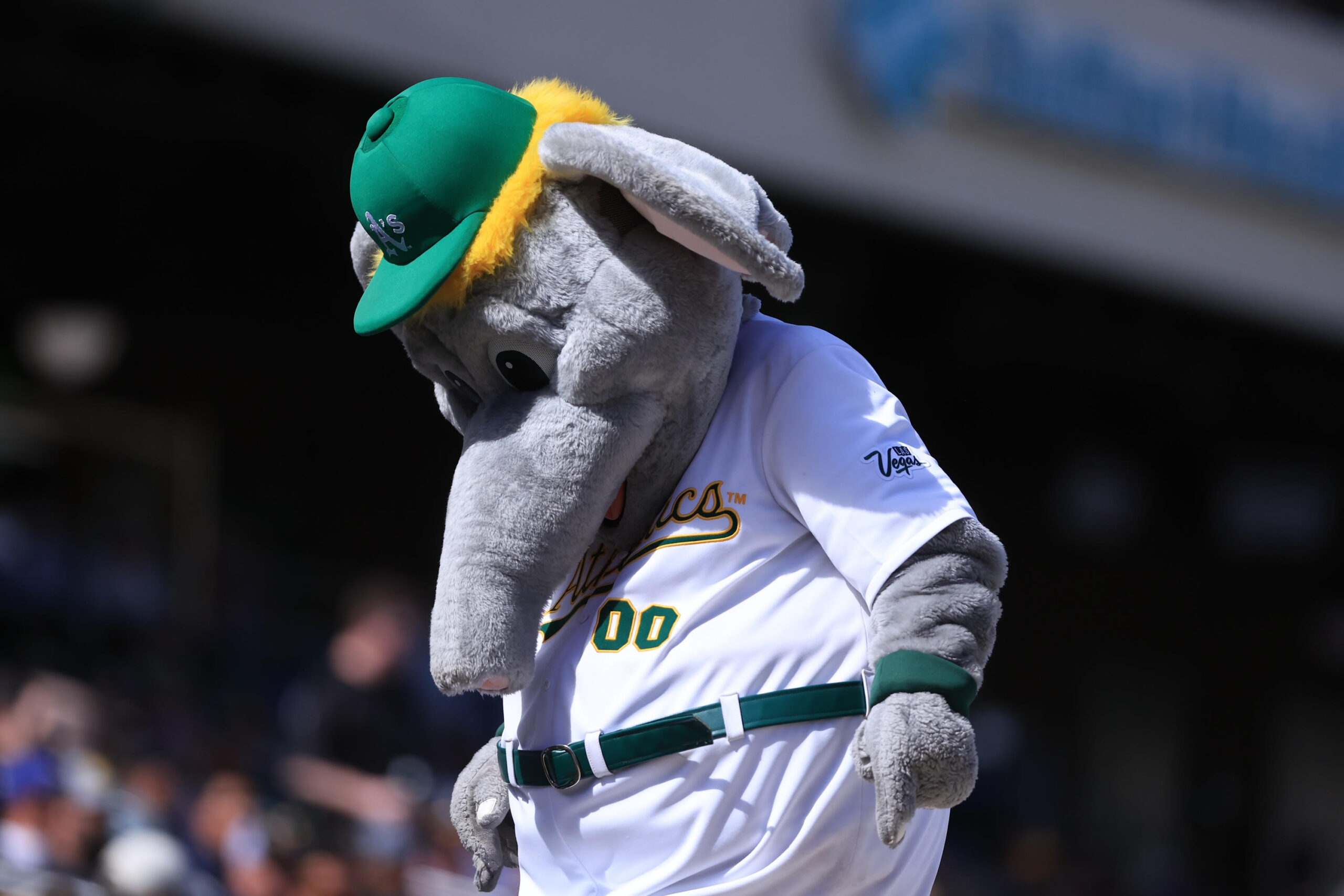
Sox Silence A’s Despite Walk Off Rubber W
As the regular season hurtles toward its conclusion, the A’s hosted the Boston Red Sox in a three-game set from September 8 to 10, 2025. In what turned into a battle of contrast between pitching dominance and clutch hitting, Boston claimed the first two games with shutouts before the A’s finally broke through in a dramatic finale to avoid being swept. The series offered a microcosm of both teams’ strengths and vulnerabilities in this tight stretch run, and it underscored the A’s tragic inability to be consistent, which, if resolved sooner, may have led this team to enough wins to qualify for the playoffs. After all, they’ve proven they can beat any club in the league, especially on the road.
Boston set the tone in Game 1 with a polished performance, blanking the A’s 7-0. Rookie starter Garrett Crochet was dominant, firing seven scoreless innings and racking up ten strikeouts while allowing just three hits. On offense, Boston got home runs from Trevor Story and Carlos Narváez, supported by run-scoring singles and pressure in the middle innings. A’s starter Luis Morales showed flashes early but gave up five earned runs before exiting in the fifth. Relief pitching did little to stop the bleeding, and the home-team bats were silenced all night.
Boston doubled down in Game 2, shutting out the A’s again by a 6-0 margin. The spotlight shone on Connelly Early, making his Major League debut, who struck out eleven batters over five scoreless innings, and who tied a Red Sox club record for debut strikeouts. Key offensive contributions came early: a leadoff homer by Romy González, a towering shot by Rob Refsnyder, and additional RBI hits by Alex Bregman and Masataka Yoshida. Though the A’s outhit Boston 10-9 overall, they failed to produce on scoring chances and were held off the board for the 15th consecutive innings. Jeffrey Springs took the loss after giving up four first-inning runs and struggling to settle in.
After two shutouts, the A’s finally broke through in Game 3, eking out a 5-4 win to avoid the sweep. The offense attacked early. Shea Langeliers launched his 30th home run in the first inning, and Nick Kurtz followed with another solo shot in the second to grab the lead. Boston tied the game in the fourth, but Tyler Soderstrom delivered a two-run double in the fifth to restore the A’s lead at 4-3. The tension rose in the ninth as Boston leveled the game again with a run after a double, but the home team stayed poised. In the bottom of the ninth, an emphatic double by Langeliers off closer Aroldis Chapman snapped his hitless streak, and Lawrence Butler delivered the walk-off RBI single that sealed the win. Strong relief work preserved the lead and let the A’s steal one in dramatic fashion.
Boston’s starters, especially Crochet and Early, demonstrated why the Red Sox are dangerous in tight games. On the A’s side, Morales and Springs showed grit but couldn’t match Boston’s consistency in Games 1 and 2.
While Boston’s bats were methodical early, the A’s showed flashes of fireworks in Game 3 as Langeliers, Kurtz, Soderstrom, and Butler stepped up when it mattered most. Two shutouts can weigh heavily. Boston carried momentum into Game 3. But the A’s response under pressure kept their season’s narrative alive. The A’s relief arms held up well in the finale. Boston turn-in closers and setup men secured their early leads with efficiency, but they just couldn’t close on day three.
Sutter Health Park once again offered its trademark intimacy. Fans truly are close enough to feel every crack of the bat during every minute and hour of tension. Crowds hovered around ten thousand, the air charged by the high stakes of September. Local bars and riverside decks echoed with chatter, especially after Langeliers’ long ball in Game 3 and the walk-off finish. Despite two quiet nights offensively, the final game gave the home crowd something to savor.
For the A’s, this series underscored what needs tightening going into the final stretch: consistency, situational hitting, and sharper starts. The finale win might be a spark, but much will hinge on whether they build off it during the offseason.
For Boston, the double shutouts reinforced their strength in front-line pitching and opportunistic offense. Their ability to stay composed under pressure, and their depth in relief, make them a serious threat as playoff time nears. Moreover, the A’s have logged some impressive wins both at home and on the road recently. Many believed they’d finally found their stride. Then this happened: three games; thirteen runs allowed; one walk-off; two nights of frustration. This series showed both the dominance that comes with veteran poise and the determination of underdog resolve. Boston took the first two with commanding shutouts; the A’s made sure the story ended on their terms. In the end, the A’s may have lost the series, but they preserved some pride and proved they won’t go quietly into the final weeks of the season.
Next up for the A’s, the Cincinnati Reds. The First pitch is scheduled for 7:05 PM PST on September 12.
Ahsan Awan has been covering sports for two decades and has been covering professional baseball since 2005. All images taken by Robert Longan and Jason Reed for American Presswire and ©2025 Robert Longan and Jason Reed for their specific unique images for American Presswire and subject to unlimited use under license unless otherwise noted. Robert Longan can be found on X as @robbielphoto and on Instagram as @lngn_media. Jason reed can be found on X as @fieldofdd and on Instagram as @fieldofdaydreams. Ahsan Awan can be found on X as @quackarazzi and on Instagram as @quackarazzi. American Presswire can be found on X as @ampresswire and on Instagram as @ampresswire.
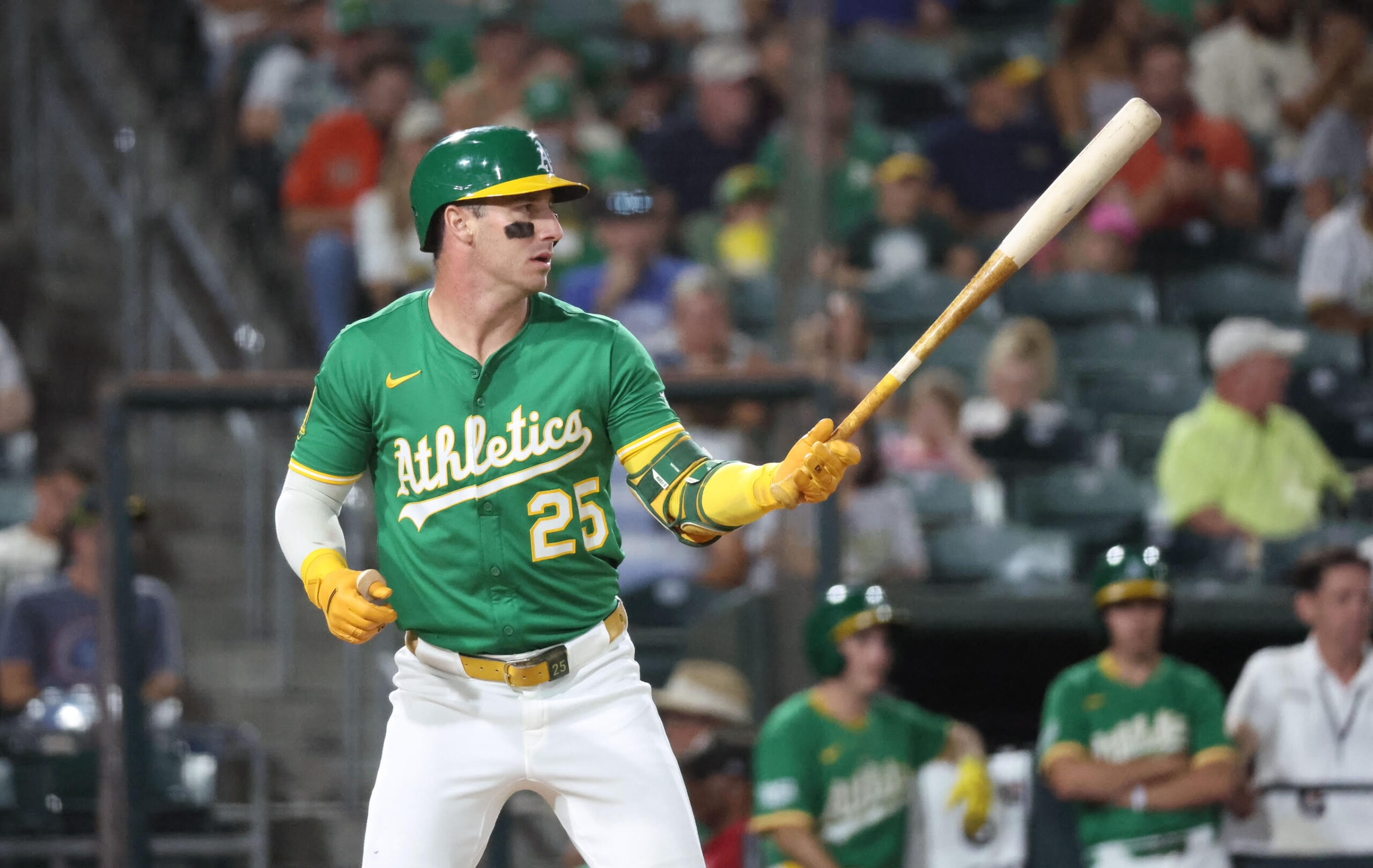
Reverse Sweep: Rangers Undo A’s Inflection
At the end of August, the A’s hosted the surging Texas Rangers for a three-game series from August 29-31, 2025. What unfolded was a gritty display of offense and precision that tilted almost entirely in Texas’ favor. Across these games, the Rangers’ bats sizzled while the A’s struggled to find consistent traction, culminating in a thrilling and humbling sweep that underscored Texas's playoff push and the A’s ongoing struggle to build momentum, define themselves, and earn respect.
Immediately following their incredible three game sweep of the league-leading Detroit Tigers, the total reversal to end the month, and the summer, was a sad display of inconsistency both at the plate and on the mound. Just as the club seemed to have found itself much to the delight of everyone, they completely unraveled with no answer whatsoever. Whether this back-to-back reversal is indicative of issues at the level of ownership, management, coaching, or on the roster, it’s difficult to say and perhaps unfair to even try to pin it one way or the other.
Clearly the team has played amazing baseball at times, but they’ve also been inconsistent. Ownership is removed from daily activity, and while many may choose to point fingers that way – after all, the historic club and team from mild weather Oakland is now suffering in the dusty summer heat of minor league West Sacramento – that’s not the only thing driving the W/L stats. Coaches do their job, and it shows positively when they win just as it may seem deficient when they lose. Perhaps management could be improved. The month of May was particularly dark. Better handling of the pitching rotation back then could have made this team postseason-worthy now. Perhaps, however, it’s really the sum of everything. Whatever it is, it’s disappointing. With so much talent, this team can be better than what the records show.
The opening game of the Rangers series set the tone for the weekend. Texas’s rookie ace Jack Leiter delivered a composed start, going six innings, striking out seven and allowing just two runs on five hits. The A’s briefly battled back when Brent Rooker doubled home two runs to tie the game in the third, but that hope was short-lived. Jonah Heim delivered a sacrifice fly and later a solo home run, while Michael Helman added a two-run blast after an early miscue loaded the bases. The Rangers seized control with sharp hitting and calm bullpen work.
Game two evolved into a statement. Texas unloaded a 17-hit assault to cruise past the A’s 9-3. Josh Jung led the charge, finishing with three hits including two RBI doubles. Wyatt Langford and Dylan Moore also went deep, while Merrill Kelly delivered a strong, steady seven-inning performance, neutralizing the A’s for much of the game. The green and yellow rallied briefly with solo homers from Lawrence Butler (his 18th of the season) and Brent Rooker, the Rangers countered with timely extra-base hits that widened the gap beyond reach.
The finale sealed the series with a clean, clinical 9-6 win by Texas. Joc Pederson opened the scoring with a massive two-run homer in the first inning. Josh Jung followed with a solo shot in the second. J.T. Ginn tried to keep Oakland in it, but Texas stretched the lead further in the fifth with RBI hits from Jung and Pederson. It didn’t stop there. As the A’s pitching continued to bleed out on the mound, the Rangers added more runs in both the seventh and eighth. A pair of runs driven in by A’s rookie star Jacob Wilson late in the eighth broke the shutout and made the score 8-2. Then another pair came in from Tyler Soderstrom, and that made it 8-4. Then one from Cortes, and it went to 8-5 as the A’s suddenly came alive. The Rangers scored again in the ninth, making it 9-5. The A’s tacked on one more making it 9-6. By the end, however, the Rangers’ fierce pitching, solid offense, and stout defensive delivered the sweep.
Sutter Health Park, though modest in design, bristled with energy all weekend. Fans rallied behind late homers or brief rallies, but the Rangers’ dominance stole that spark mid-series. Local hotspots buzzed with reactions, from cheers at homers to hushes as innings slipped away. The tight dimensions and fan proximity made each swing feel amplified, especially when Texas busted the game open.
Sadly, the sweep served only as a harsh reminder of the inconsistency plaguing a rebuilding side. Despite flashes of power and strong individual efforts, gaps in pitching and execution remain glaring. With offense humming and starters finding rhythm, the Rangers are mounting serious pressure in the wild-card chase. A dominant road series and consistent contributions across the lineup give them momentum heading into September.
Three nights. Twenty centimeters from the big leagues. Tens of hits, homers, and highlights. In the end, this was Texas’s weekend from start to finish. The A’s showed spark when it flickered, but the Rangers poured gasoline with precision and poise. As the calendar turns to September, this series will stand as a pivotal moment: one where the A’s were tested and exposed while the Rangers surged forward toward postseason relevance.
Next up for the A’s, September. 24 games in 30 days. It begins with a road series versus the St. Louis Cardinals, a dangerous team sitting just under .500 who will exploit both weakness and lack of identity, especially in front of their loyal and passionate fans at beautiful Busch Stadium, an iconic venue that looks out toward the famous St. Louis Arch, the Gateway to the West. The First pitch is scheduled for 11:15 AM PST on September 1. Yes, that's right, the A's will now clean up, hop on a plane, fly to Missouri, and play again tomorrow morning.
Ahsan Awan has been covering sports for two decades and has been covering professional baseball since 2005. All images taken by Robert Longan and Jason Reed for American Presswire and ©2025 Robert Longan and Jason Reed for their specific unique images for American Presswire and subject to unlimited use under license unless otherwise noted. Robert Longan can be found on X as @robbielphoto and on Instagram as @lngn_media. Jason reed can be found on X as @fieldofdd and on Instagram as @fieldofdaydreams. Ahsan Awan can be found on X as @quackarazzi and on Instagram as @quackarazzi. American Presswire can be found on X as @ampresswire and on Instagram as @ampresswire.
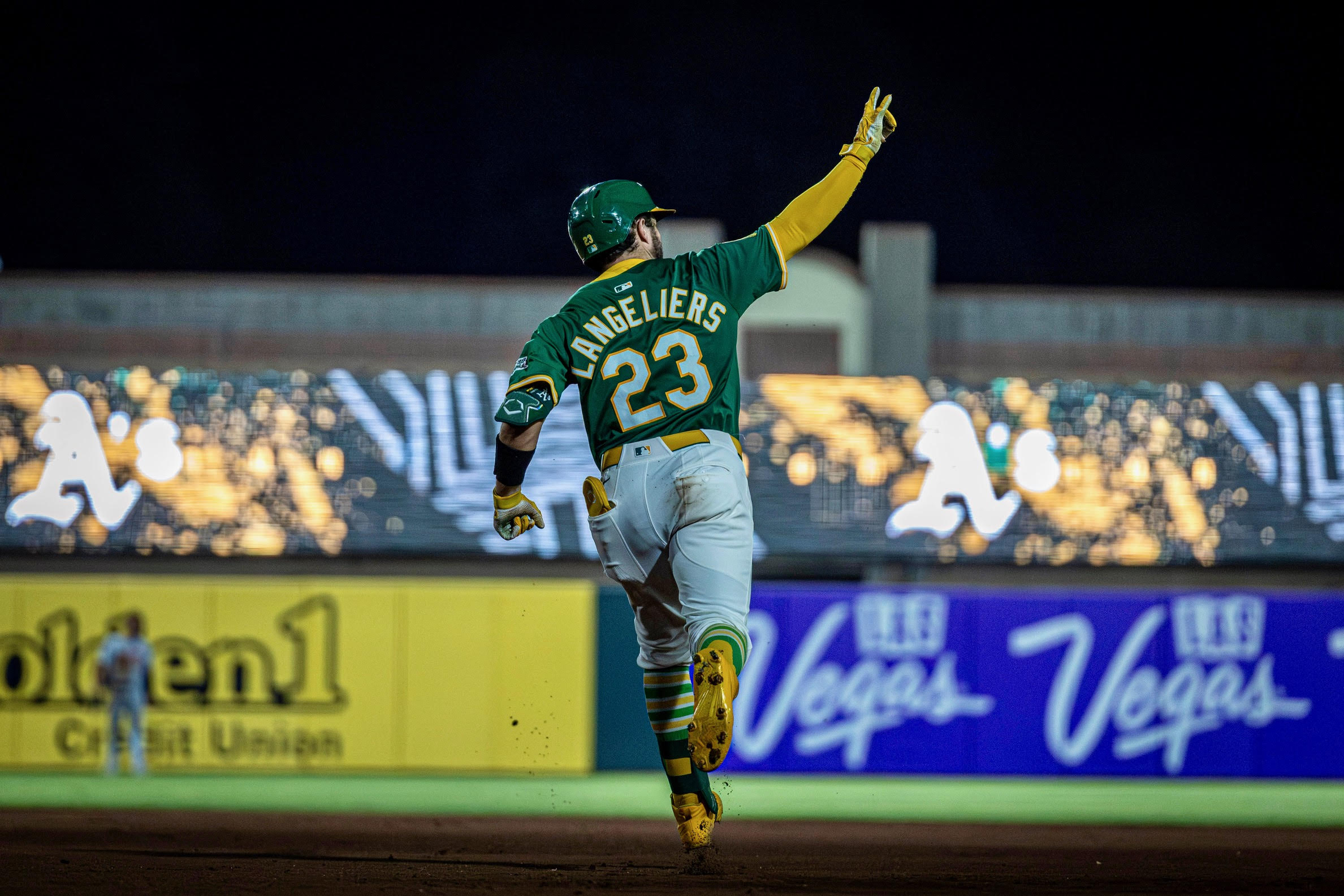
Motor City Meltdown: A’s Sweep Tigers in West Sac
Approaching the end of a long hot summer, the A’s hosted the Detroit Tigers in a three-game set that swung from offensive fireworks to edge-of-the-seat drama. From a buoyant breakout to a nerve-testing extra-innings finish, the A’s proved relentless, executing a complete sweep and electrifying their home crowd under the Sutter Health Park lights.
The A’s opened with a roar. Despite falling behind when the Tigers launched a three-run sixth inning including a towering homer by Gleyber Torres, the A’s struck back in relentless fashion. Colby Thomas nailed a solo shot to begin the comeback, then fans exploded when Shea Langeliers unloaded a 450-foot grand slam that flipped the game. Nick Kurtz capped the breakaway with a two-run pinch-hit homer in the eighth. The bullpen held strong, sealing a statement win and announcing the A’s legitimacy as a threat to all in the league.
The tension ratcheted up in Game 2, a back-and-forth contest that stretched deep into extras. Detroit’s Riley Greene smashed a massive grand slam to tie the game and seize temporary momentum, followed by Colt Keith’s solo shot leveling the series. The A’s responded mercilessly in the 10th. Tyler Soderstrom delivered a clutch RBI single to tie it, and Darrell Hernaiz earned a walk-off when he drew a bases-loaded free pass that ignited an incredible celebration and that gave the A’s a crucial series advantage.
The A’s closed the series in style with a 7-0 shutout, powered by a brilliant performance from rookie Luis Morales. The 22-year-old dazzled through seven spotless innings, scattering just two hits and striking out seven. Offensively, Zack Gelof led the charge. He homered, doubled, and tallied four RBIs. Tyler Soderstrom and Brent Rooker tacked on early insurance, and the bullpen stood airtight to complete the sweep with the kind of dominance that sends ripples of confidence throughout a club.
Sutter Health Park buzzed across all three nights, squeezing every ounce of drama from a compact venue that never missed a heartbeat. Rowdy crowds cheered each comeback, homers rattled the dimensions, and the proximity to the action magnified every swing and strike. As the final out fell, the roar of celebration confirmed that this temporary turf continues to deliver big-league theater in every sense.
For the A’s, this sweep injects undeniable momentum. With offense clicking, pitching rising, and confidence mounting, the A’s may be shifting from feel-good underdogs to legitimate game-changers. For the Tigers, a third straight loss serves notice. The bats faltered and pitching depth wavered. Bad timing for a team with the best record in MLB. They’ll need both to tighten up before the stretch run begins.
Three nights. Twenty-two runs. One grand slam that changed everything. A walk-off that cracked tension wide open. A shutout that made a statement. The Motor City Meltdown may just be the inflection point for a club that has been searching for its soul. The A’s put the Tigers through the wringer and walked away with a clean 3-0 sweep. In a summer where every series felt like a mini playoff, the A’s delivered their most complete performance yet.
Next up for the A’s, a home series that begins August 29 versus the Texas Ranger, a team riding just over .500 that has the talent to finish strong. The first pitch is scheduled for 7:05 PM Pacific time.
Ahsan Awan has been covering sports for two decades and has been covering professional baseball since 2005. All images taken by Robert Longan and Jason Reed for American Presswire and ©2025 Robert Longan and Jason Reed for their specific unique images for American Presswire and subject to unlimited use under license unless otherwise noted. Robert Longan can be found on X as @robbielphoto and on Instagram as @lngn_media. Jason reed can be found on X as @fieldofdd and on Instagram as @fieldofdaydreams. Ahsan Awan can be found on X as @quackarazzi and on Instagram as @quackarazzi. American Presswire can be found on X as @ampresswire and on Instagram as @ampresswire.