
The Racing Frontier: F-1 and F-E Expansion in North America in 2026
In 2026, global motorsport is experiencing a landmark moment with Formula 1 and Formula E pushing deeper into North American markets while continuing to captivate fans worldwide. As both series evolve technologically and commercially, 2026 promises some of the most compelling racing calendars and fan engagement yet seen across the United States, Canada, and Mexico.
Formula 1’s 2026 World Championship features a robust 24-race calendar spanning five continents, emphasizing North America with three U.S. Grands Prix and the Canadian and Mexican rounds. The season kicks off in March in Australia and concludes in December in Abu Dhabi, but the growing focus on the Americas is unmistakable.
North America’s Formula 1 Dates (2026):
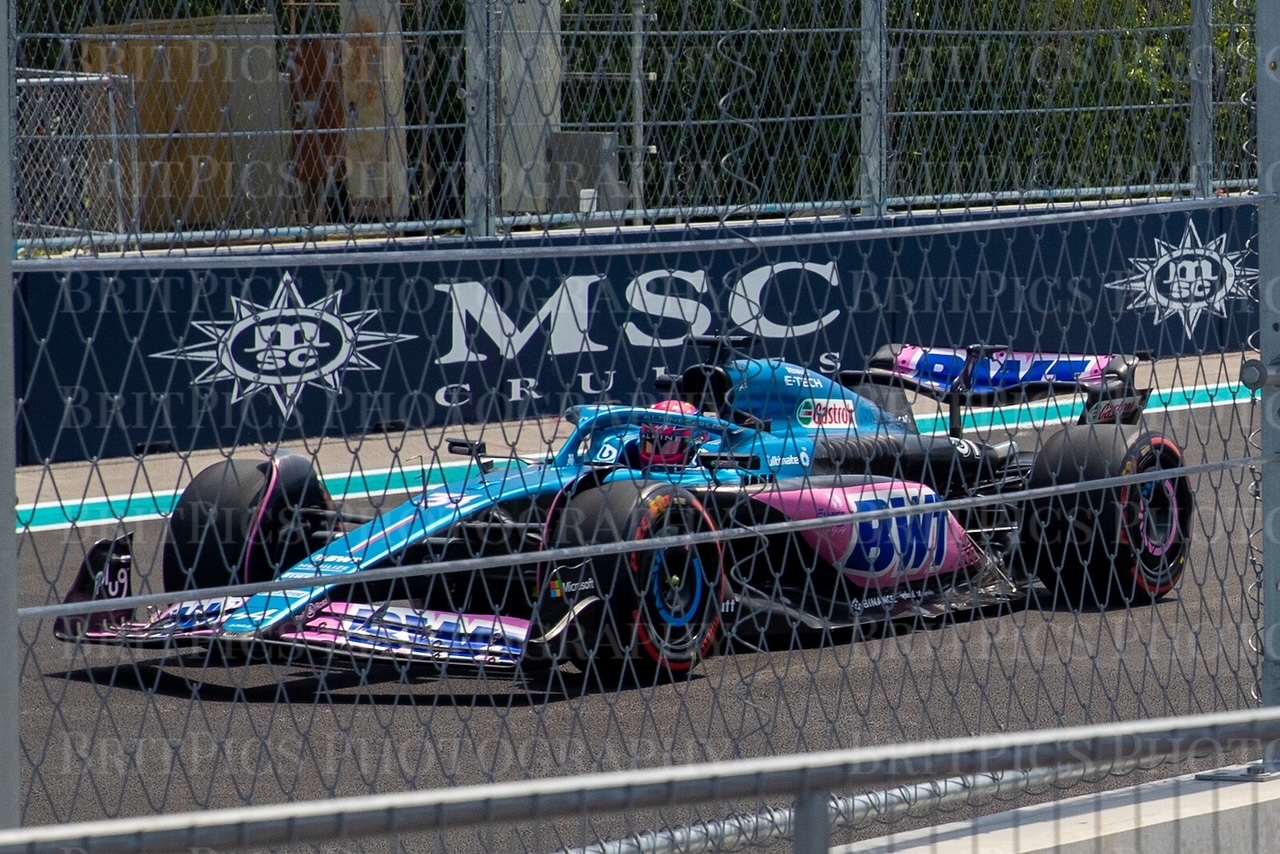
- Miami Grand Prix — 1–3 May (Miami, USA; Sprint included)
- Canadian Grand Prix — 22–24 May (Montreal, Canada; Sprint included)
- United States Grand Prix — 23–25 October (Austin, Texas, USA)
- Mexico City Grand Prix – 30 October – 1 November (Mexico City, MEX)
- Las Vegas Grand Prix — 19–21 November (Las Vegas, USA)
These races not only appeal to global audiences but reflect Formula 1’s deepening commitment to a fast-growing North American fanbase.
The expansion is underscored by the addition of Cadillac’s new F1 team, the first new entry in the championship in a decade, with veteran drivers Sergio Pérez and Valtteri Bottas set to lead the effort.
On the track, the sport is in a transitional phase thanks to new technical regulations and sustainable fuels powering the next generation of cars. Mercedes and Ferrari are among the teams expected to challenge at the front, while young stars and established champions add intrigue to the championship fight.
British driver George Russell is widely tipped as a title favorite, with Max Verstappen and Lando Norris also prominent contenders. This is a narrative shaping expectations as the season unfolds.
Beyond pure racing, the commercial picture in the U.S. is evolving. In 2026, Apple TV will serve as the exclusive Formula 1 broadcaster in the U.S., ending decades of cable coverage and opening a new chapter in digital access and fan engagement.
And while F-1 continues to grow, so too does the newest form of top-tier world class open wheel racing. Across the electric racing scene, the ABB FIA Formula E World Championship continues its rapid growth with its 2025/26 Season 12, one of the longest and most competitive in series history.
Although Formula E’s complete race calendar for 2026 spans several continents, North America remains a foundational component. The season includes landmark rounds like the Mexico City E-Prix, held at the iconic Autódromo Hermanos Rodríguez. It’s a race of historic significance marking Formula E’s 150th world championship event.
Formula E’s roster includes manufacturers and teams that mirror the series’ technological diversity, with competitors such as Andretti Formula E, Nissan, Jaguar TCS Racing, Envision Racing, and DS Penske showcasing cutting-edge electric performance. Leading drivers include Nick Cassidy, Pascal Wehrlein, Jake Dennis, Sébastien Buemi, and Oliver Rowland, the latter a recent world champion who typifies the sport’s rise.
In recent years, Formula 1’s U.S. viewership recorded significant growth and set new ratings records during its final season on ESPN before the shift to Apple TV. Over that period, average per-race audiences climbed steadily as interest surged across demographics. Formula E’s ratings have been more difficult to clarify, but U.S. viewership, led first by fans attending race events, has been on an upward trajectory year over year.
While some casual fans remain ambivalent, motorsport communities and commercial interests see a promising trajectory for both F1 and Formula E in the American market, one that is fueled by strategic broadcast initiatives, celebrity partnerships, and a growing ecosystem of live events.
Formula E’s emphasis on sustainability and electric vehicle technology aligns with broader automotive trends in North America, further complementing the traditional combustion-based spectacle of Formula 1.
As both championships roll through 2026, the motorsport world watches a pivotal year for global racing culture. Formula 1’s triple-header season finish, innovative regulatory frameworks, and expanded manufacturer investment suggest a bold future for the sport.
Meanwhile, Formula E’s electric platform continues to attract audiences seeking urban, environmentally conscious racing, bridging traditional motorsport enthusiasm with forward-looking attitudes toward mobility.
Whether in the roar of F1 engines in Miami, Montreal, Austin, Mexico City or Las Vegas, or the electric pulse of a Formula E street circuit, 2026 is shaping up as a defining chapter in North America’s motorsport renaissance.
Ahsan Awan has been covering sports for over two decades and has been covering professional open wheel auto racing since 2006. All images taken for American Presswire subject to unlimited use under license unless otherwise noted. Images taken by Ahsan Awan, Richard Kolbell, and Chris Arjoon for American Presswire and ©2024-2026 American Presswire. Editorial use by American Presswire is unrestricted. Ahsan Awan can be found on X as @quackarazzi and on Instagram as @quackarazzi. American Presswire can be found on X as @ampresswire and on Instagram as @ampresswire.
