

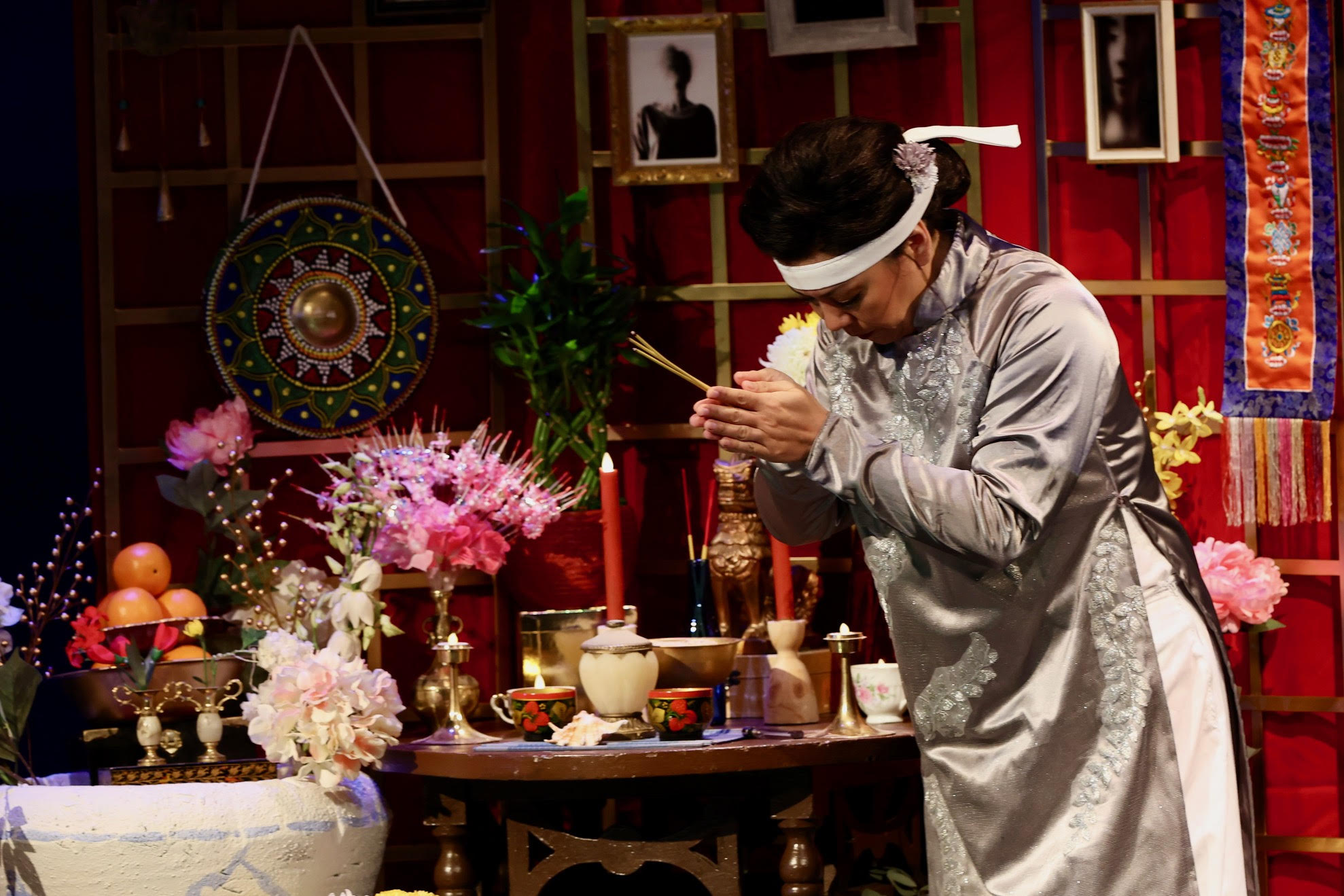
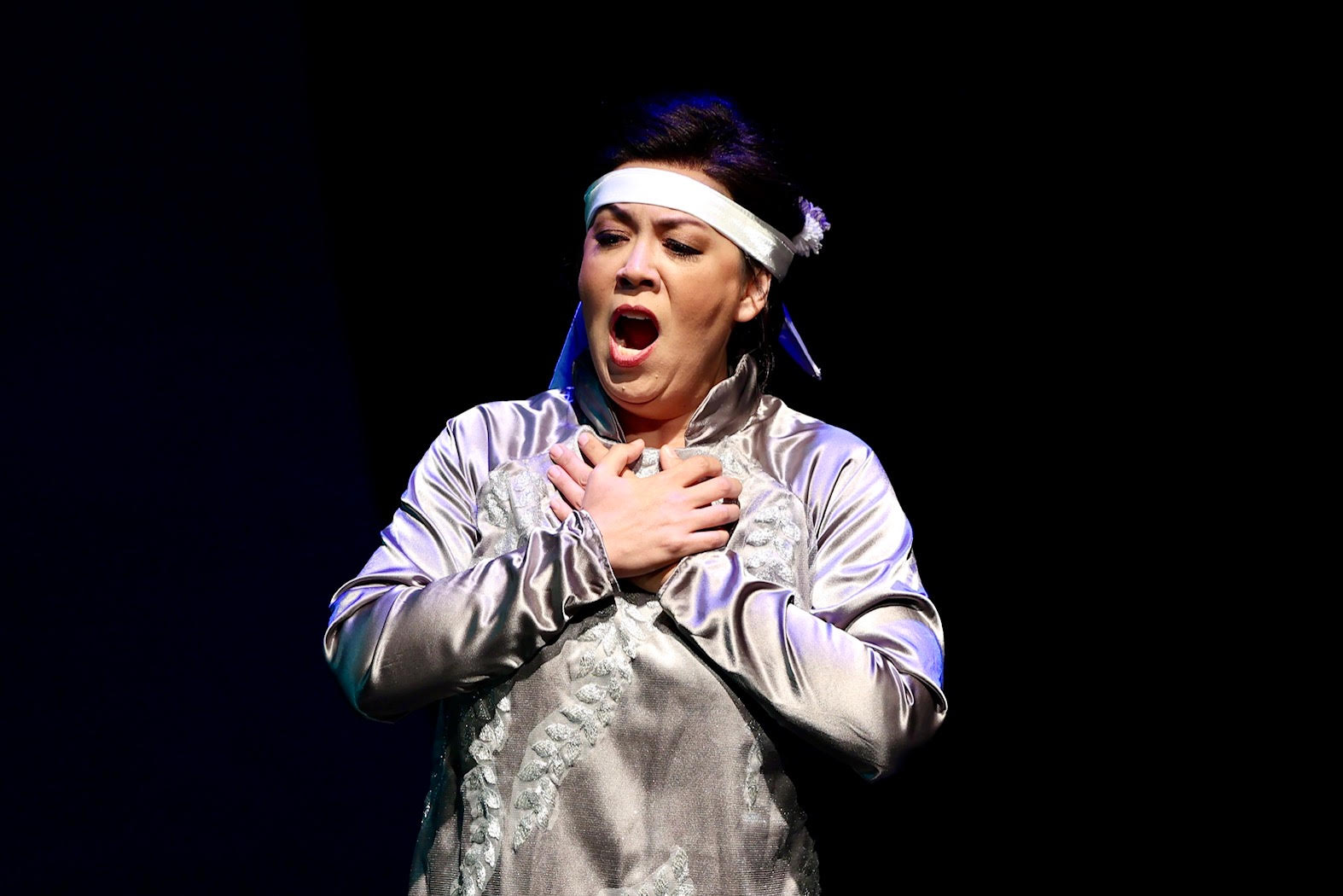
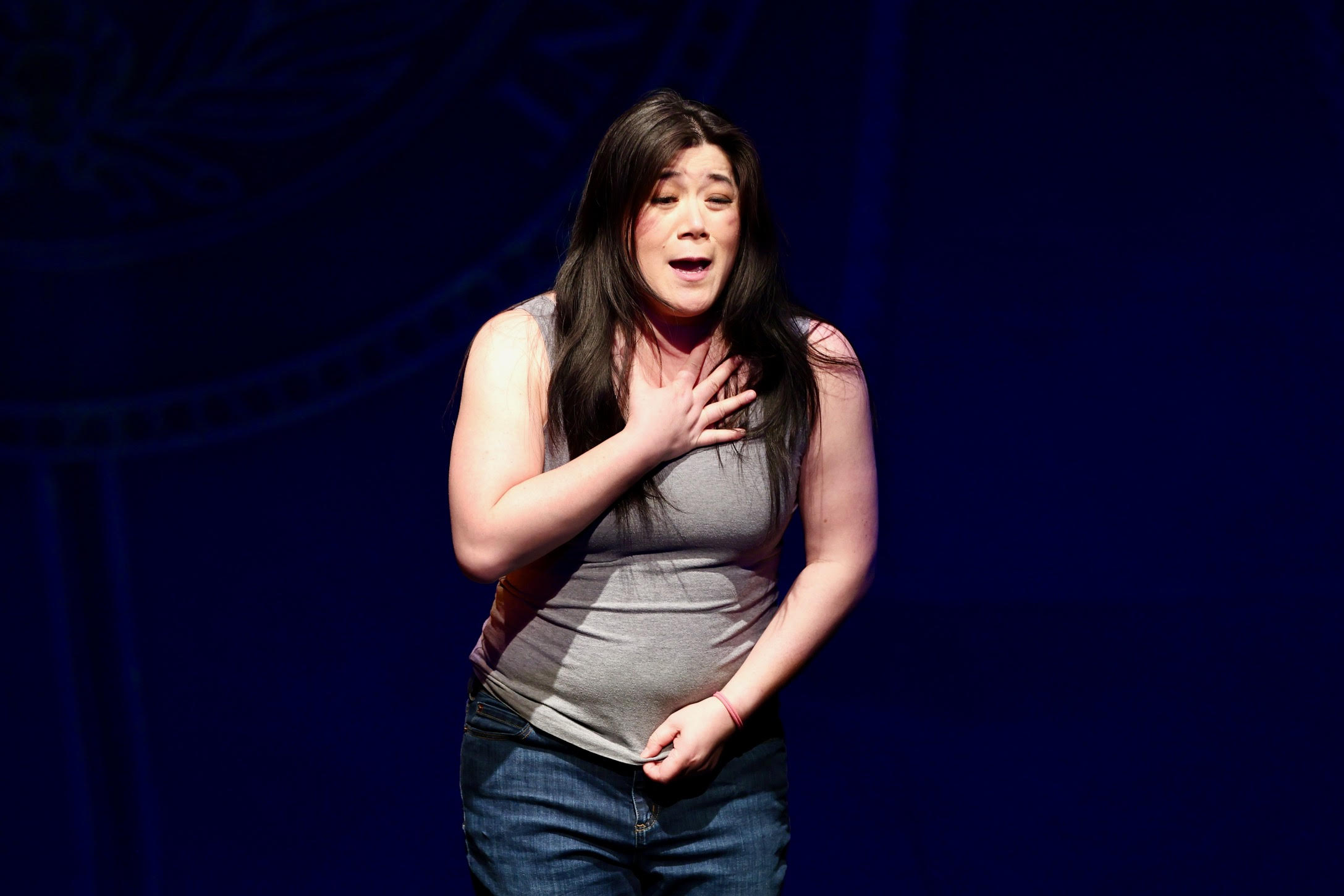
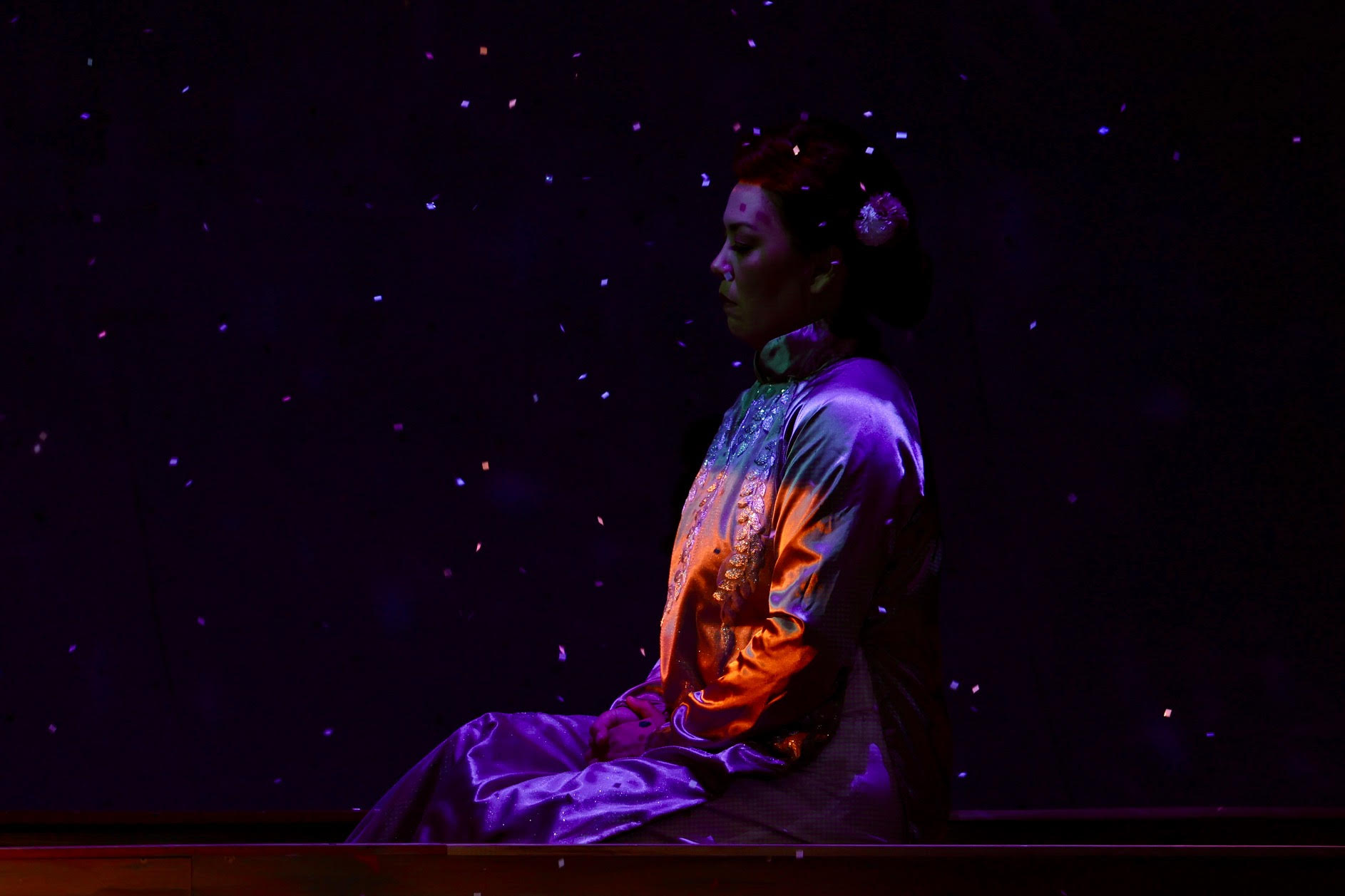
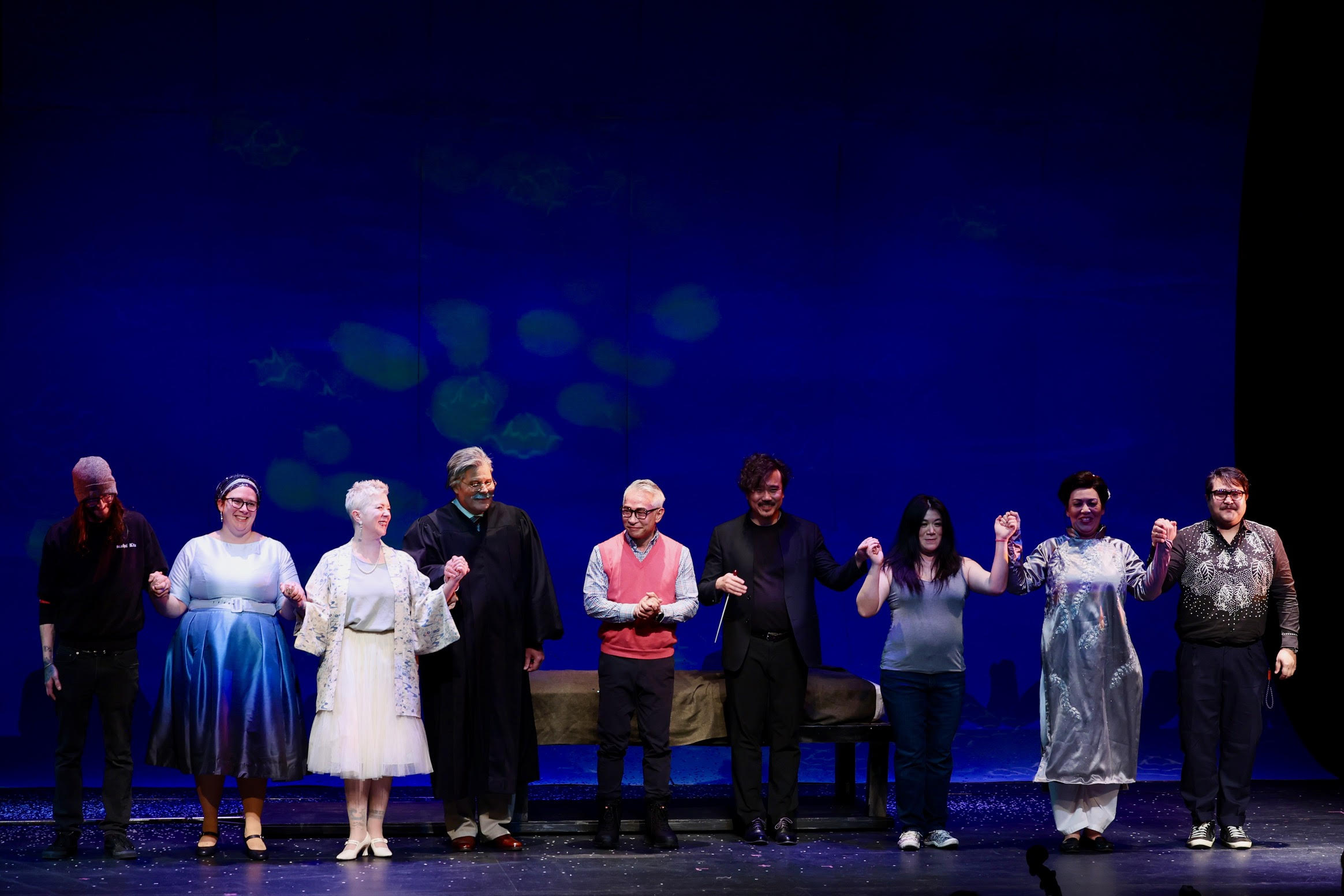
Anchorage Opera unveiled a production of Bound that is nothing short of extraordinary. It is a deeply human and exquisitely rendered meditation on resilience, memory, and the fragile architecture of family. This contemporary chamber opera, which premiered at the University of Houston in 2014, found in Anchorage a production of uncommon beauty and emotional force.
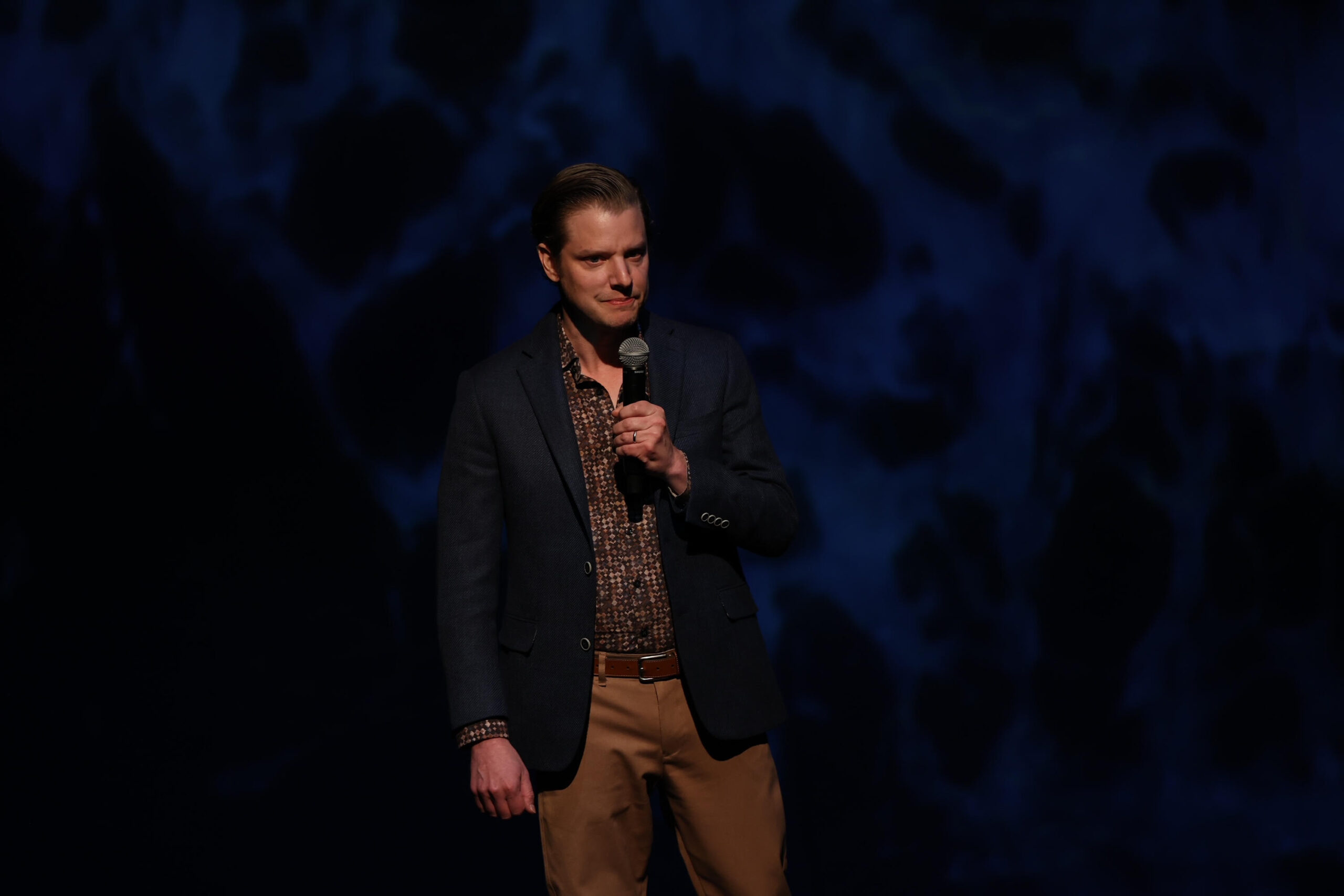
At the helm of the company, esteemed General Director Ben Robinson continues to demonstrate visionary leadership of the highest order. With Bound, Robinson affirms his commitment to opera as a living, breathing art form, one that dares to confront urgent social realities with compassion and courage. His curatorial instincts are impeccable here: this is programming not merely for entertainment, but for impact, reflection, and communal dialogue.
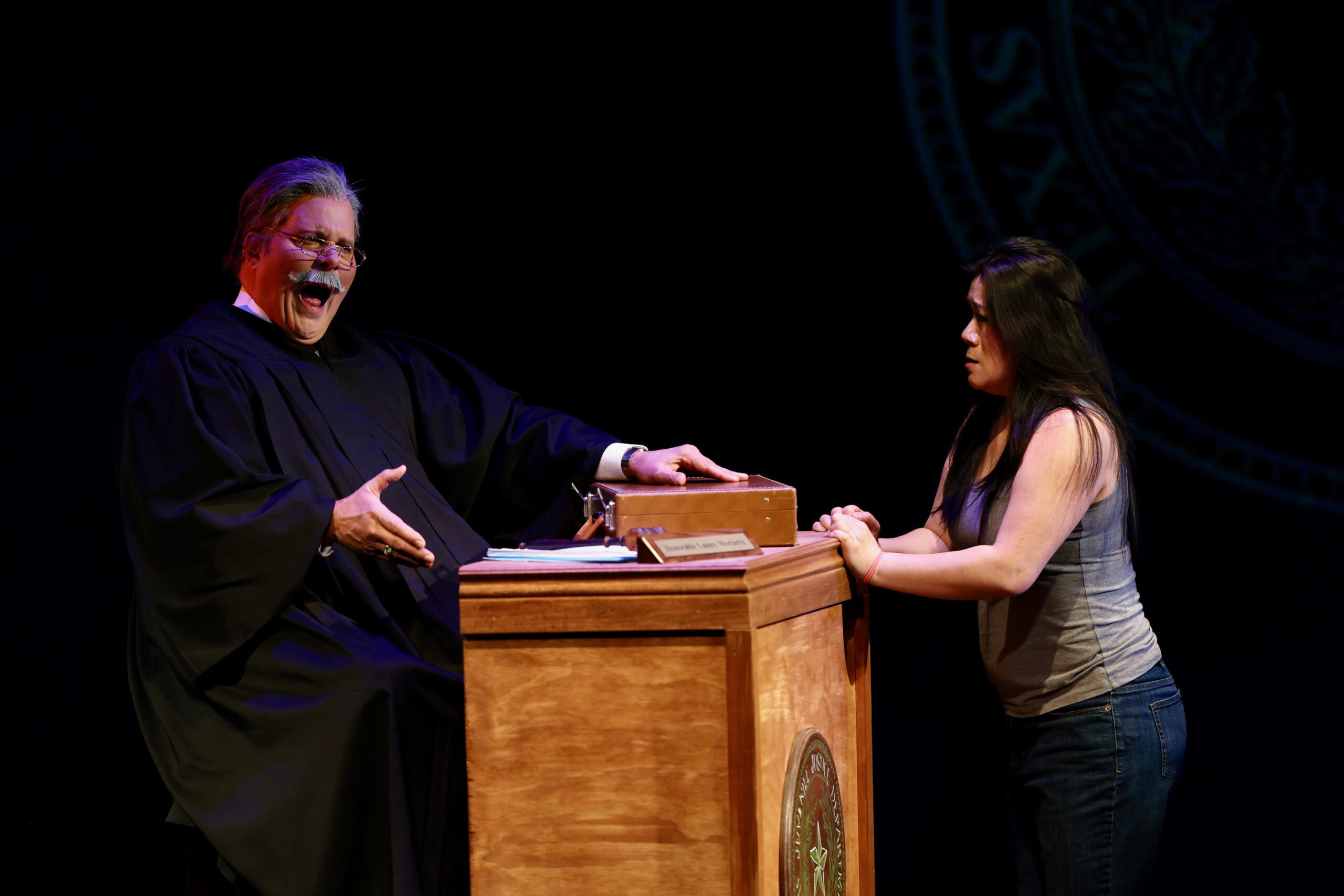
Composed by Huang Ruo with a libretto by Bao-Long Chu, Bound is inspired by true events that occurred in 2012. The opera centers on Diane Tran, an 11th-grade honor student who was jailed after repeated truancy. Tran’s story is complex. She had been working both full-time and part-time jobs to help support her family. She did this while enrolled in advanced placement and dual-credit college-level courses. By all accounts, she was a model student and young person in the community. Overwhelmed by exhaustion and family instability, she missed too many days of school. As a result, a dispassionately ignorant and small-minded judge ordered her to pay a $100 fine and spend 24 hours in jail “as a lesson.”
Tran later revealed that her parents were divorced and uttered a quiet, devastating line: “I thought my family was happy.” From that single sentence, this opera blossoms. Bound imagines the emotional terrain beneath those words, the unspoken ache, the cultural displacement, the shattering of childhood assumptions; it is a work of profound introspection and empathy.
Under the luminous baton of Tian Hui Ng, the score shimmered with sensitivity and emotional intelligence. Ng drew from the chamber orchestra a performance of breathtaking nuance, sculpting Huang Ruo’s music into waves of tension and release. Every phrase felt intentional, every silence alive. The delicate interplay between Eastern tonal colorings and Western lyricism was rendered with extraordinary refinement, creating a sound world that felt at once intimate and expansive.
Stage director Richard Gammon brought to the production a masterful dramatic hand. His direction was both meticulous and tender, allowing the opera’s emotional truths to surface organically. Gammon understands the eloquence of stillness; moments of quiet restraint carried as much weight as the opera’s climactic surges. His staging illuminated the interior lives of the characters with remarkable clarity, crafting a theatrical experience that felt both cinematic and deeply personal.
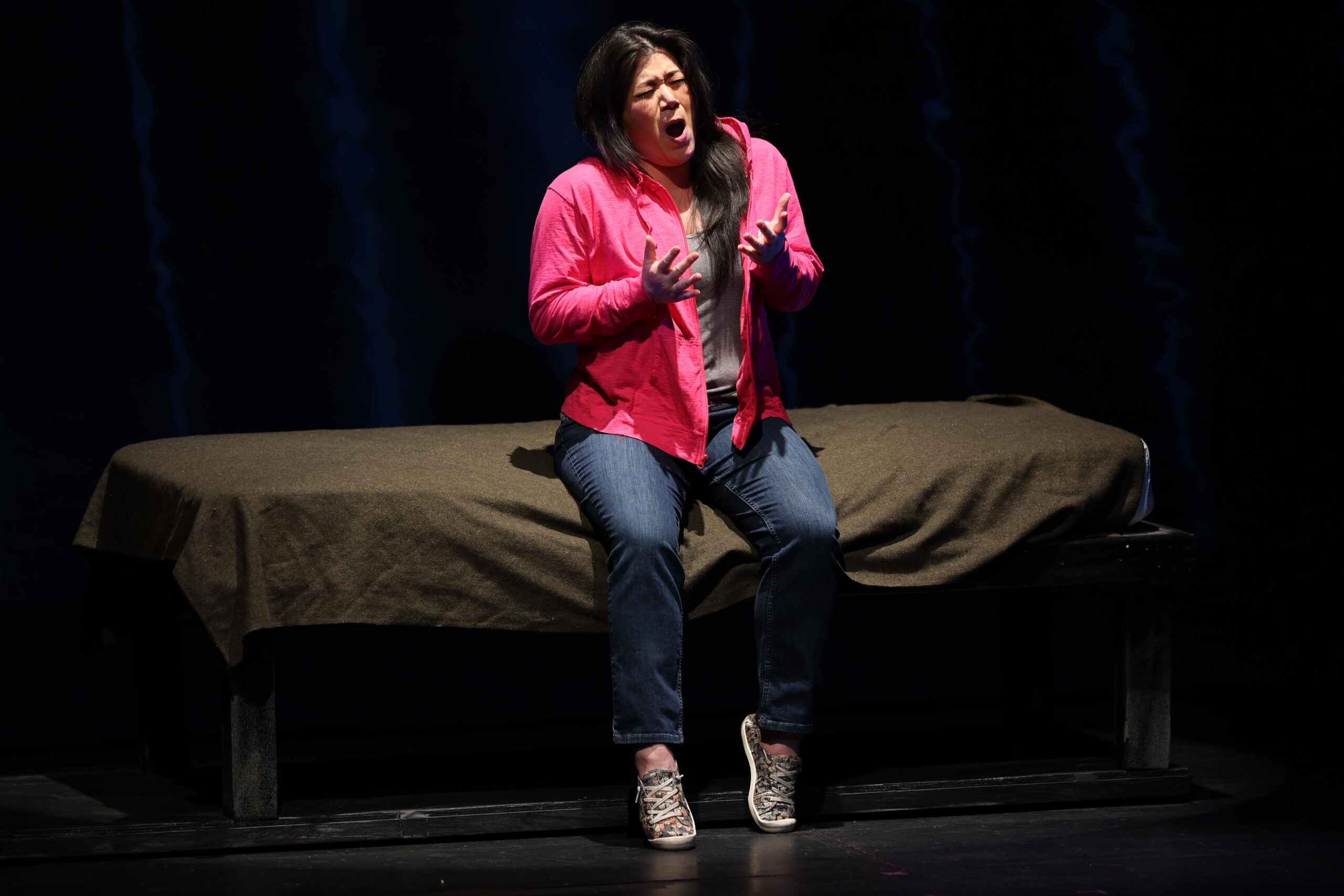
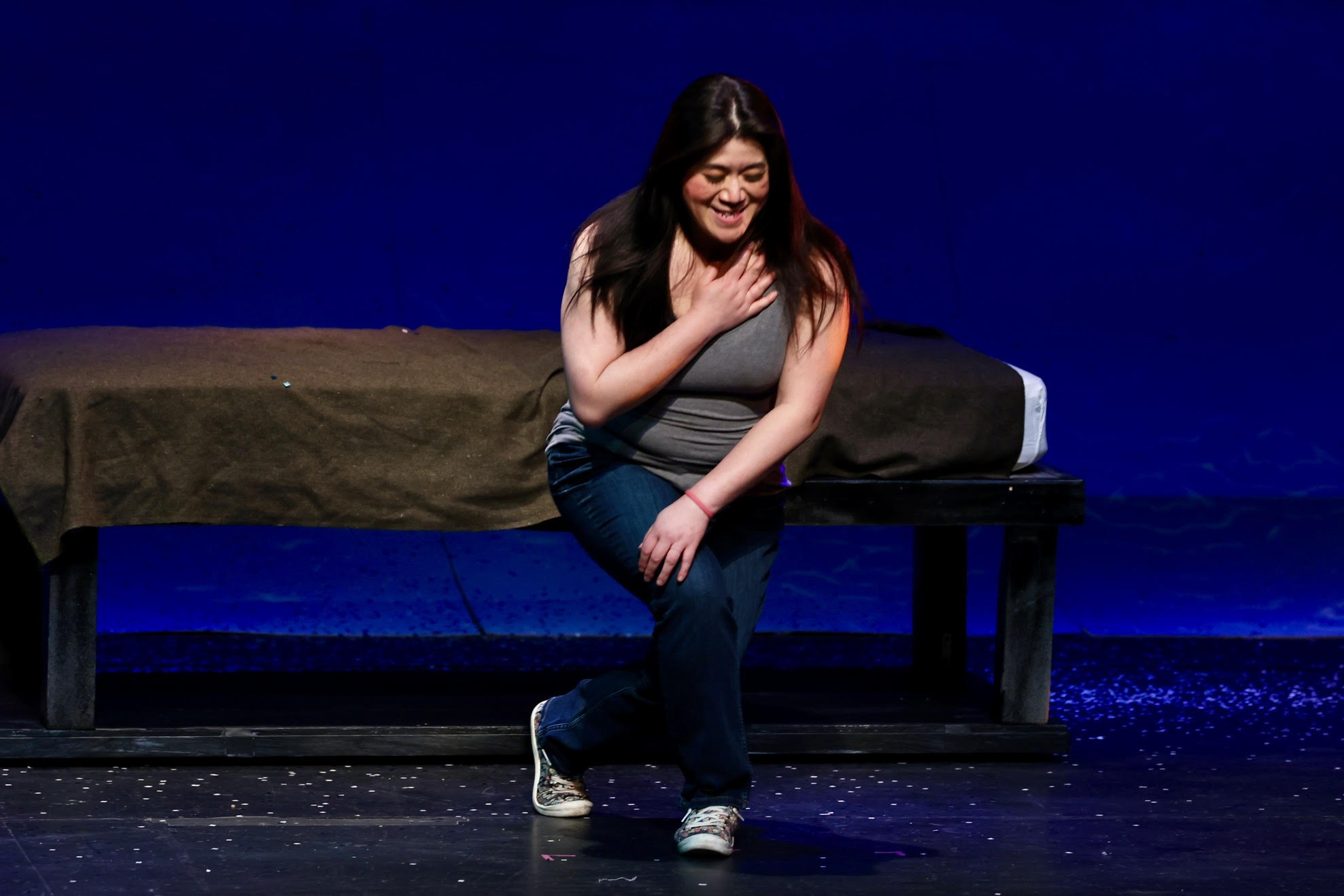
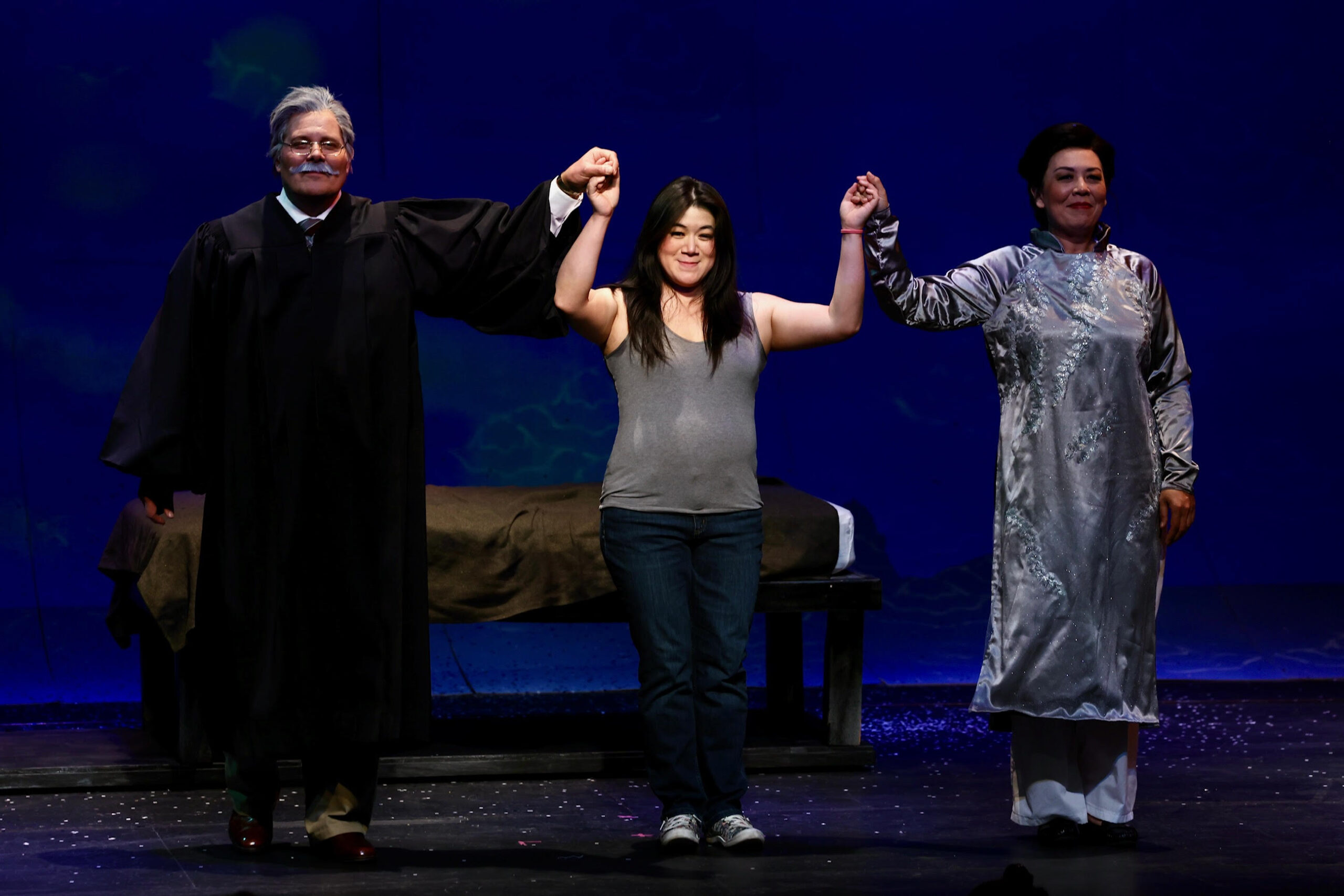
At the heart of the evening stood Karen Vuong, whose portrayal of Diane Tran was nothing short of revelatory. Vuong’s soprano gleamed with youthful radiance while carrying an undercurrent of exhaustion that pierced the soul. She embodied Diane with astonishing vulnerability — shoulders slightly curved under invisible burdens, eyes searching for stability in a world that offered little. Vocally, she soared in passages of longing and simmered in moments of despair, her phrasing exquisitely shaped, her emotional honesty profoundly moving. It was a performance that felt lived rather than performed. It was a tour de force of technical mastery and heartfelt authenticity.
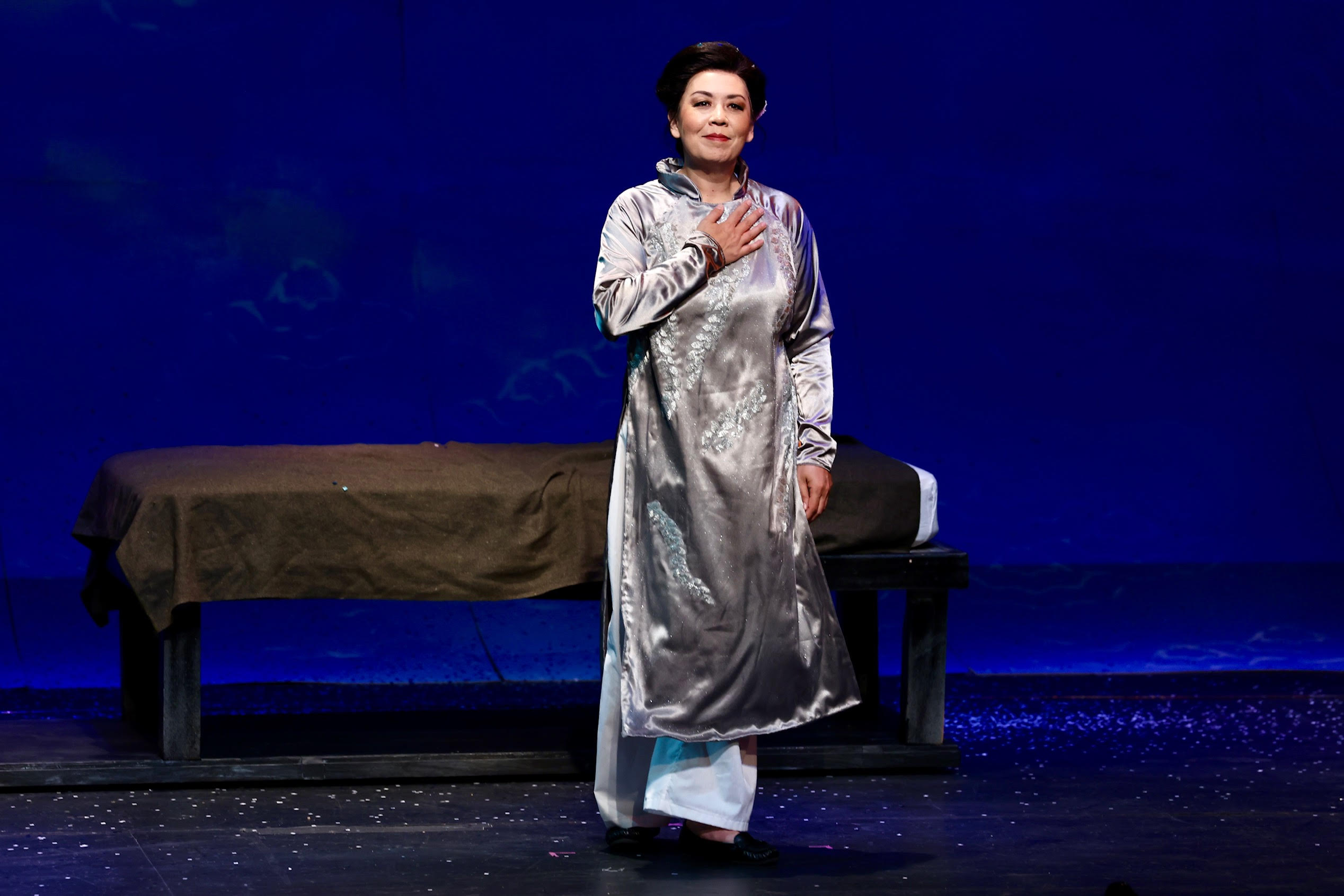
Opposite her, the always resplendent Nina Yoshida Nelsen delivered a portrayal of Khanh that was as vocally sumptuous as it was dramatically layered. Nelsen’s mezzo-soprano is a marvel. Her voice is velvety, burnished, and richly expressive. She infused Khanh with dignity, sorrow, and restrained love, suggesting a woman whose own past traumas ripple silently into the present. Every gesture, every inflection of tone, conveyed a lifetime of memory. Her duets with Vuong formed the aching emotional spine of the opera, their voices intertwining in passages of heartbreaking beauty.
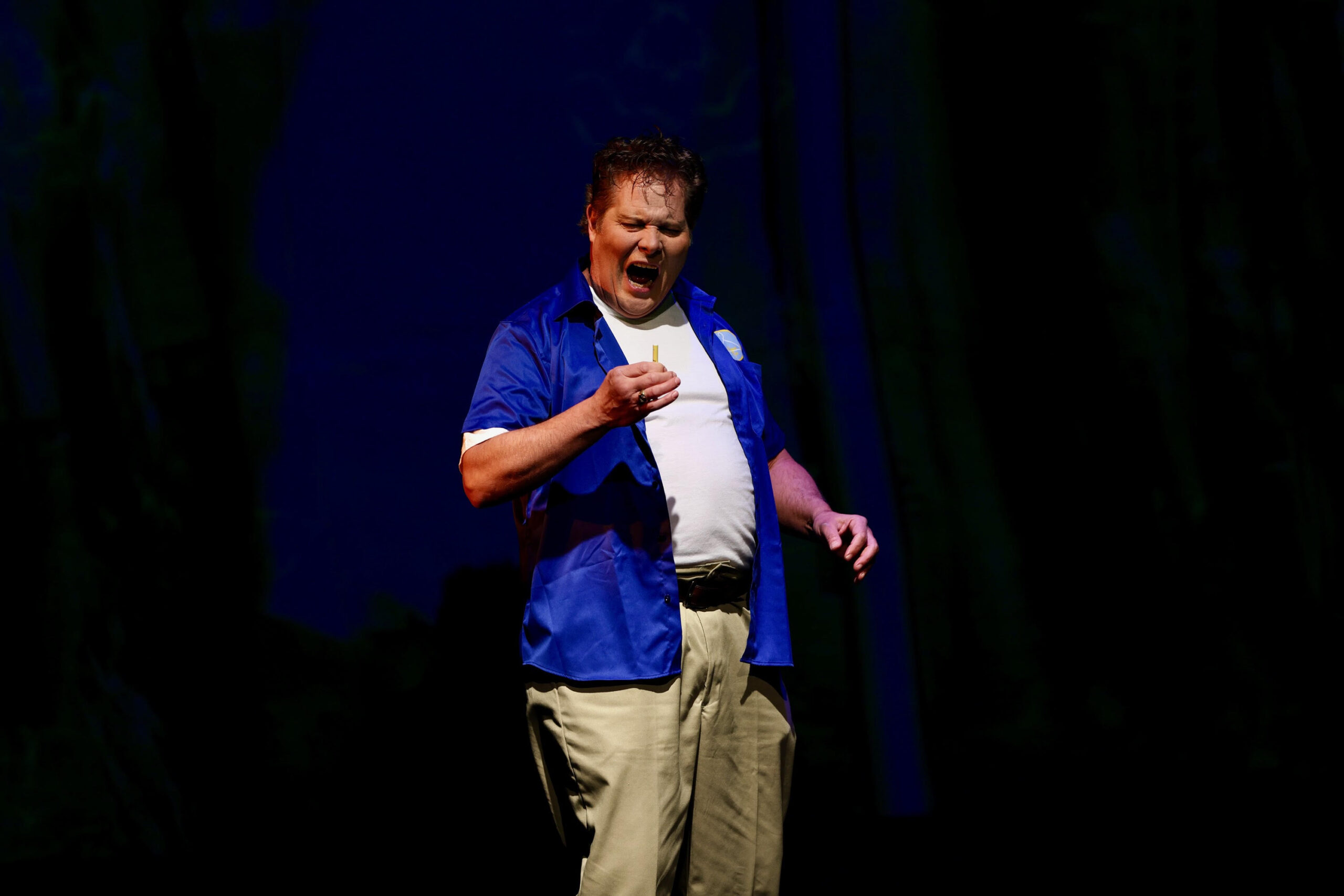
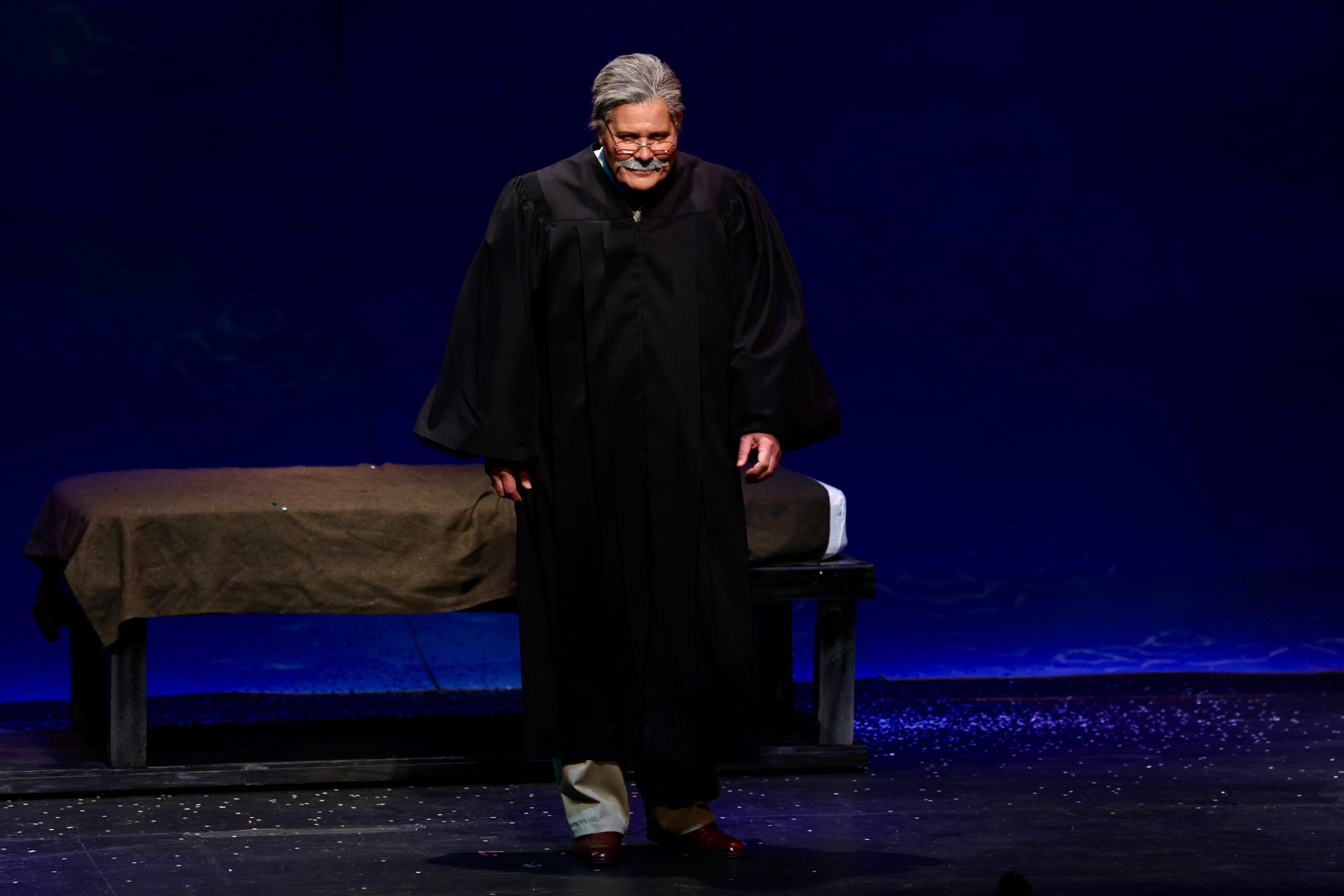
Jeff Mattsey, commanding and magnificently grounded, brought striking depth to his dual roles as Judge Moriarty and Stanley, the owner of Dry Clean Max. As the judge, his resonant baritone carried the cool authority of institutional power, his voice and posture always firm, measured, and immovable. As Stanley, he shifted seamlessly into a portrait of pragmatic capitalism, embodying the relentless demands of economic survival. Mattsey’s ability to differentiate these roles while maintaining emotional complexity was deeply impressive; he lent humanity even to figures who might easily have been rendered one-dimensional.
The production’s visual landscape was elevated by the evocative projection design of Yuki Izumihara, whose imagery flowed like memory itself. The visuals were fluid, poetic, and hauntingly atmospheric. The projections did not merely decorate the stage; they breathed with the narrative, expanding the psychological dimensions of the drama and underscoring the opera’s themes of fragmentation and confinement.
Behind the scenes, the steady and indispensable artistry of Production Stage Manager Helen Irene Pospisil ensured a performance of seamless cohesion. Transitions unfolded with quiet precision, the pacing taut and assured. It is often in such invisible craftsmanship that great productions find their backbone, and Pospisil’s meticulous stewardship was evident throughout the evening.
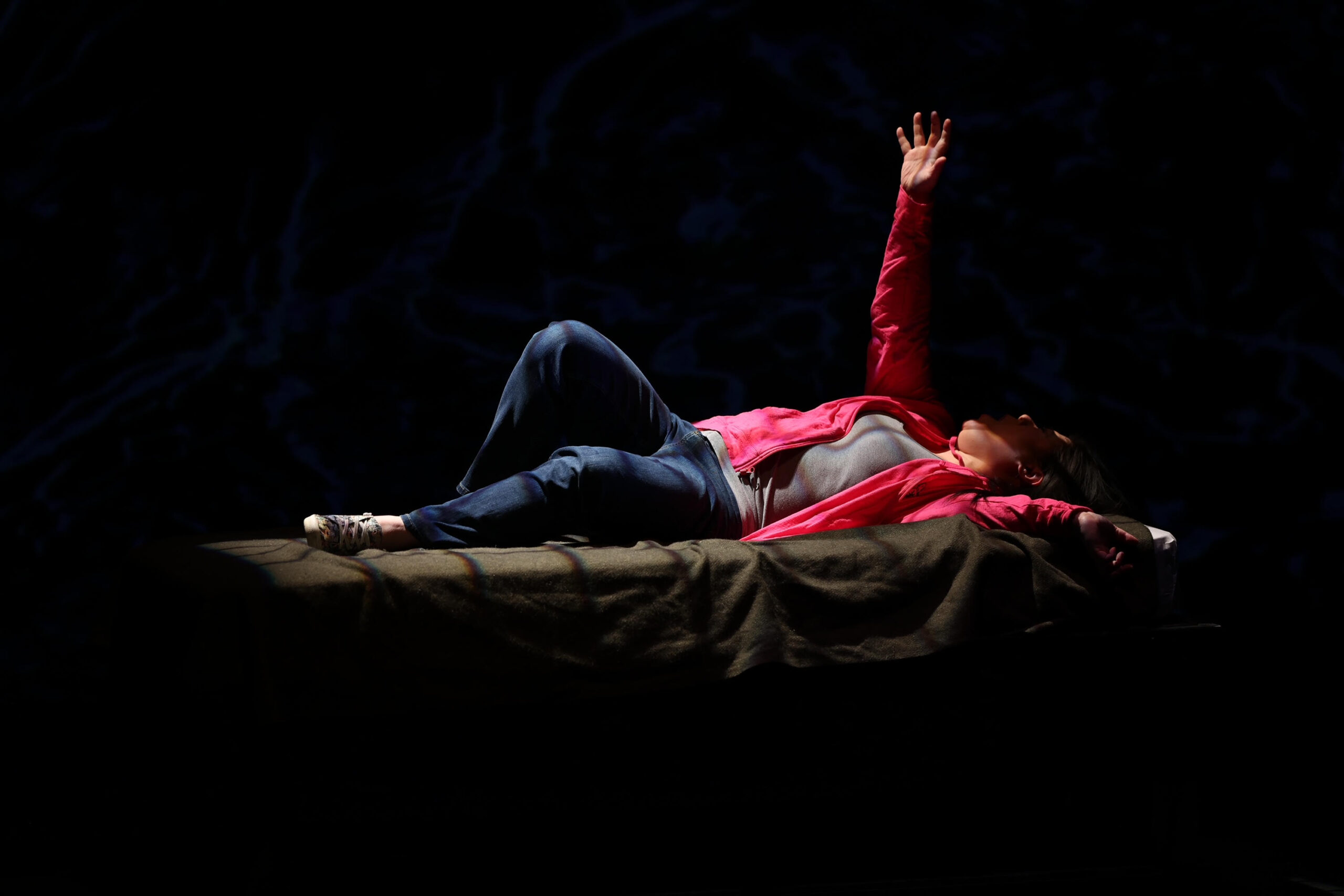
The staging emphasized boundaries, courtroom walls, workplace monotony, the stark geometry of confinement, yet within those limits bloomed moments of startling intimacy. Lighting and set design framed the characters in sculptural compositions that heightened the opera’s emotional immediacy. The jail cell scenes, spare and unadorned, resonated with tragic irony: a young woman punished not for delinquency, but for diligence.
The audience on opening night responded with sustained applause, an outpouring not only for the performers’ excellence but for the profound humanity of the story itself. Though rooted in events from 2012, Bound feels achingly present in 2026, a reminder of the invisible burdens borne by so many young people navigating fractured systems and fragile homes.
Anchorage Opera’s Bound is more than a production; it is an experience of rare emotional luminosity. With additional performances on February 7 and 8, this is a work that deserves to be witnessed. It is a testament to the transformative power of opera when guided by visionary leadership and realized by artists at the height of their expressive gifts.
Don’t miss the opportunity to experience the magic of live opera in the heart of Alaska! Information about future shows and performances can be found on the Alaska Center for the Performing Arts website: AlaskaPAC.org. Tickets are on sale now and can be obtained through CenterTix.com or by calling 907-263-ARTS (907-263-2787).
Ahsan Awan has been covering opera, performing arts and live events for two decades, and has been covering Anchorage Opera, since the 2022-2023 season. Images taken by Ahsan Awan for Anchorage Opera and ©2026 American Presswire. Editorial use by Anchorage Opera with permission and subject to unrestricted use under license unless otherwise noted. Ahsan Awan can be found on X as @quackarazzi and on Instagram as @quackarazzi. American Presswire can be found on X as @ampresswire and on Instagram as @ampresswire.